
What should you know about non-cholera vibrio?
Short answer
Non-cholera Vibrio bacteria can cause diarrhoea, wound infections, or severe illness after exposure to seawater or raw seafood.
This answers one question. It is not a diagnosis and does not replace an assessment by a licensed doctor.
At a glance
- Typical exposure
- Warm coastal water, raw seafood, or an open wound
- Possible sites
- Digestive tract, skin, soft tissue, or bloodstream
- Key action
- Seek prompt assessment after a relevant exposure and worsening symptoms
What it means
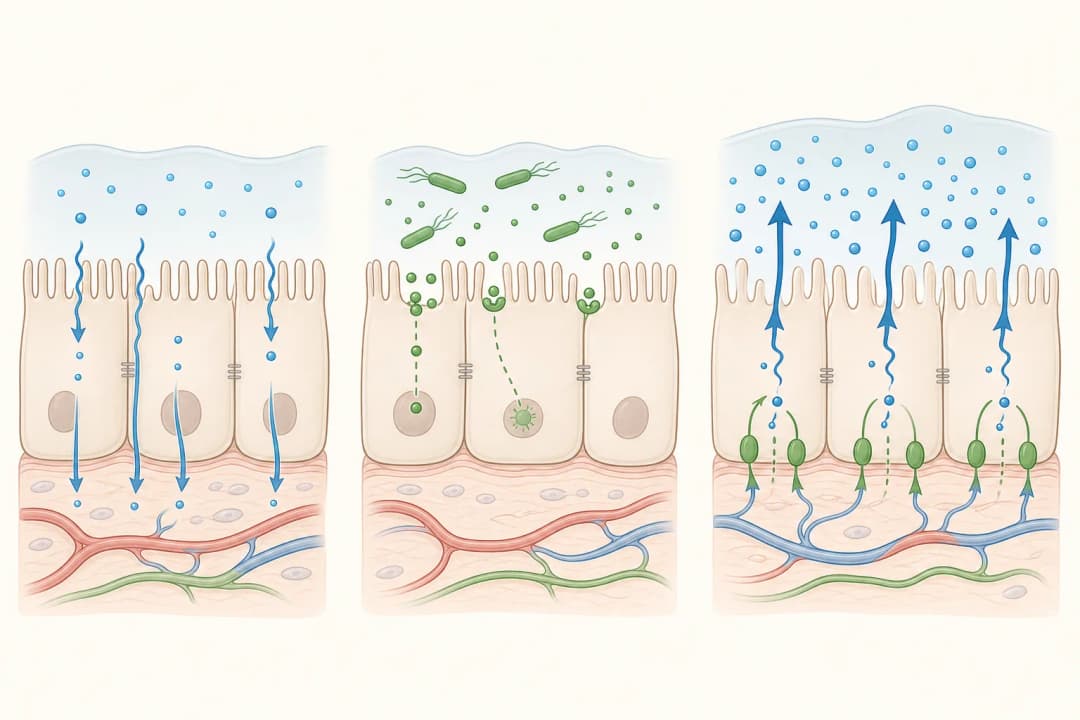
Vibrio is a group of bacteria found in warm coastal water and sometimes in seafood. Non-cholera types are different from the bacteria that cause cholera. Illness may affect the digestive system after contaminated food is eaten, or the skin when an open wound contacts infected water or seafood. A wound infection can spread quickly through nearby tissue and may enter the bloodstream. People with liver disease, diabetes, or a weakened immune system can become seriously ill more readily.
Symptoms depend on the infection site. Gut infection can bring loose stools, stomach cramps, nausea, or fever. A wound may become increasingly painful, red, swollen, or blistered. The exposure history helps a clinician choose testing and treatment.
What to do now
Contact a clinician promptly if illness follows raw or undercooked shellfish, seawater exposure, or an injury near the coast. Mention when the exposure happened and whether the skin was broken. Drink frequent small amounts of fluid if you have diarrhoea; oral rehydration solution can replace water and salts. Severe dehydration may need IV Fluid Therapy. Keep any wound clean, covered, and away from seawater. Do not delay assessment while waiting for symptoms to settle, and do not self-treat a worsening wound with leftover antibiotics.
When to seek urgent care
Seek urgent medical help for rapidly spreading redness or swelling, severe wound pain, blisters, faintness, confusion, breathing difficulty, persistent vomiting, blood in the stool, or inability to keep fluids down. Fever with a wound infection or signs of dehydration such as very little urine also needs prompt assessment. Emergency care is especially important for people with liver disease, diabetes, or reduced immunity.
Questions for your doctor
Ask whether a stool, wound, or blood sample is needed; which warning signs should trigger a return; how to care for the wound; and whether Oral Rehydration Therapy is suitable for you.
Find care
General Clinics & Polyclinics in Abu Dhabi
That answer is general. If you want it applied to your own case, these are licensed general clinics & polyclinics listed in Abu Dhabi.
27 Ar Ruwwad St - Shakhbout City - MSH4 - Abu Dhabi - United Arab Emirates
Accepts: Daman, Thiqa, Cigna, MetLife +20 more
Al Ruwais, Al Dhafrah
Accepts: Daman, Thiqa, AXA, Cigna +16 more
Al Bahyah - Al Bahyah Old - Abu Dhabi - United Arab Emirates
Accepts: Daman, Thiqa, Cigna, Allianz Care +18 more
Abu Dhabi
Accepts: Daman, Thiqa, AXA, Cigna +27 more
Ordered by verification status and how complete each clinic's public record is, then alphabetically. This is a directory listing, not a ranking — Zavis does not rate or recommend providers.
A factual listing drawn from the DHA, DOH and MOHAP licence registers. It is not a referral, an endorsement, or advice that any of these providers is right for you.
Questions people ask
Is non-cholera Vibrio the same as cholera?
No. They are different Vibrio infections, and their symptoms and treatment depend on where the infection occurs.
Can a Vibrio wound infection be serious?
Yes. Rapidly worsening pain, swelling, redness, or blisters require urgent medical assessment.
Related
Related reading
Keep reading
Medical disclaimer. This page is general health information, not medical advice, and it cannot diagnose you. Always consult a licensed healthcare provider about your own symptoms and treatment. In an emergency in the UAE, call 998 for an ambulance.