
Nasal cautery for epistaxis
Short answer
Nasal cautery for epistaxis treats a visible fragile blood vessel so the nasal lining can heal with fewer episodes of bleeding.
This answers one question. It is not a diagnosis and does not replace an assessment by a licensed doctor.
At a glance
- Purpose
- Seal an identified fragile bleeding point.
- Before treatment
- Share your medicines and nasal history.
- First aid
- Lean forward and pinch the soft nose.
What the treatment involves
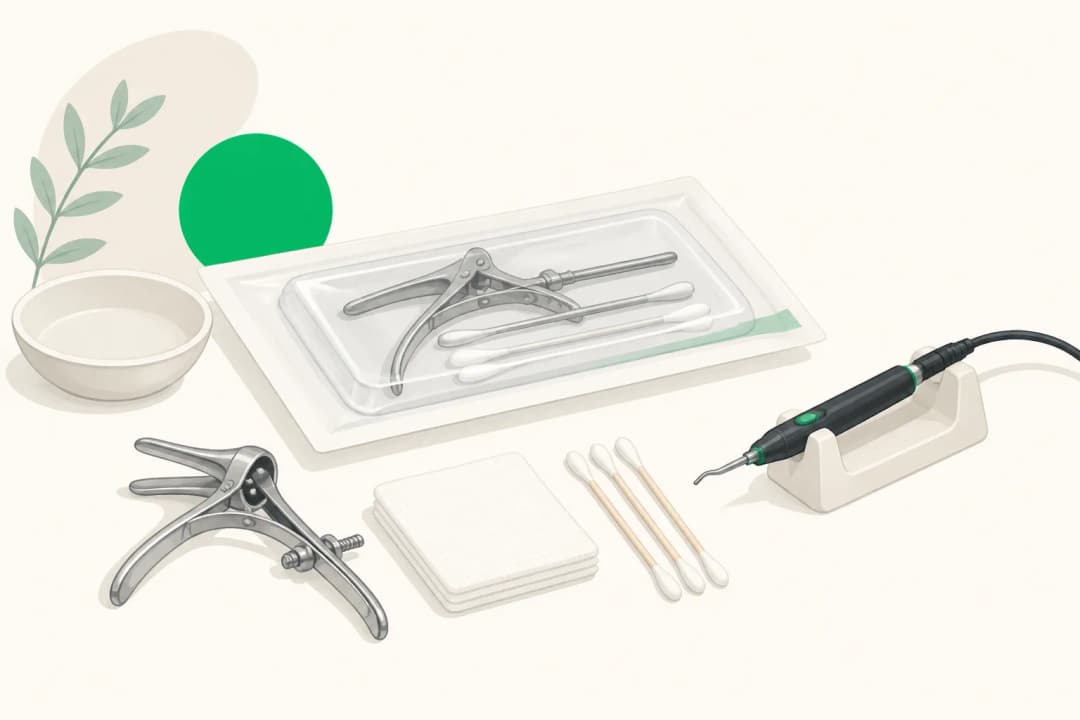
Epistaxis means bleeding from the nose. A clinician first examines the inside of the nose to identify a likely bleeding point. They may use local anaesthetic before applying heat or a chemical agent to the area. The aim is to seal the surface vessel, not to treat every possible reason for bleeding. Dry air, irritation, nose picking, injury, inflammation, and some medicines can all contribute to nosebleeds.
How to prepare and recover
Tell the clinician about medicines that affect bleeding, allergies, previous nasal procedures, and whether both sides bleed. After treatment, keep the nostril clean and moist only as directed. Avoid picking, forceful blowing, strenuous activity, and direct heat while the site heals. If a nosebleed begins, sit upright, lean forward, and pinch the soft part of the nose without repeatedly checking. Nosebleed provides more first-aid context.
When medical review is needed
Arrange review if bleeding continues to recur, the treated area becomes increasingly painful, or you notice worsening swelling or discharge. Get urgent help when bleeding is heavy or persistent despite steady pressure, or when it causes weakness, faintness, breathing difficulty, or ongoing blood in the throat. A clinician may need to look for another bleeding point or a different cause.
Useful questions
Ask which cautery method is planned, whether local anaesthetic will be used, how to protect the treated lining, when normal exercise is suitable, and what symptoms should prompt an urgent call.
Find care
General Clinics & Polyclinics in Abu Dhabi
That answer is general. If you want it applied to your own case, these are licensed general clinics & polyclinics listed in Abu Dhabi.
27 Ar Ruwwad St - Shakhbout City - MSH4 - Abu Dhabi - United Arab Emirates
Accepts: Daman, Thiqa, Cigna, MetLife +20 more
Al Ruwais, Al Dhafrah
Accepts: Daman, Thiqa, AXA, Cigna +16 more
Al Bahyah - Al Bahyah Old - Abu Dhabi - United Arab Emirates
Accepts: Daman, Thiqa, Cigna, Allianz Care +18 more
Abu Dhabi
Accepts: Daman, Thiqa, AXA, Cigna +27 more
Ordered by verification status and how complete each clinic's public record is, then alphabetically. This is a directory listing, not a ranking — Zavis does not rate or recommend providers.
A factual listing drawn from the DHA, DOH and MOHAP licence registers. It is not a referral, an endorsement, or advice that any of these providers is right for you.
Questions people ask
Does cautery treat the cause of every nosebleed?
No. It targets an identified bleeding area, while dryness, irritation, medicines, or other conditions may still need attention.
What should I do if bleeding returns?
Use firm, continuous pressure while sitting forward, and seek urgent help if the bleeding is heavy or does not settle.
Related
Related reading
Keep reading
Medical disclaimer. This page is general health information, not medical advice, and it cannot diagnose you. Always consult a licensed healthcare provider about your own symptoms and treatment. In an emergency in the UAE, call 998 for an ambulance.