
Nappy rash remedies: what can help
Short answer
Useful nappy rash remedies include prompt changes, gentle rinsing, thorough drying and a simple barrier product; treatment depends on the rash pattern and severity.
This answers one question. It is not a diagnosis and does not replace an assessment by a licensed doctor.
At a glance
- First choice
- Gentle cleansing and barrier protection
- Product caution
- Avoid fragranced or harsh preparations
- Professional review
- Needed for persistent, severe or unusual rashes
Why the right remedy matters
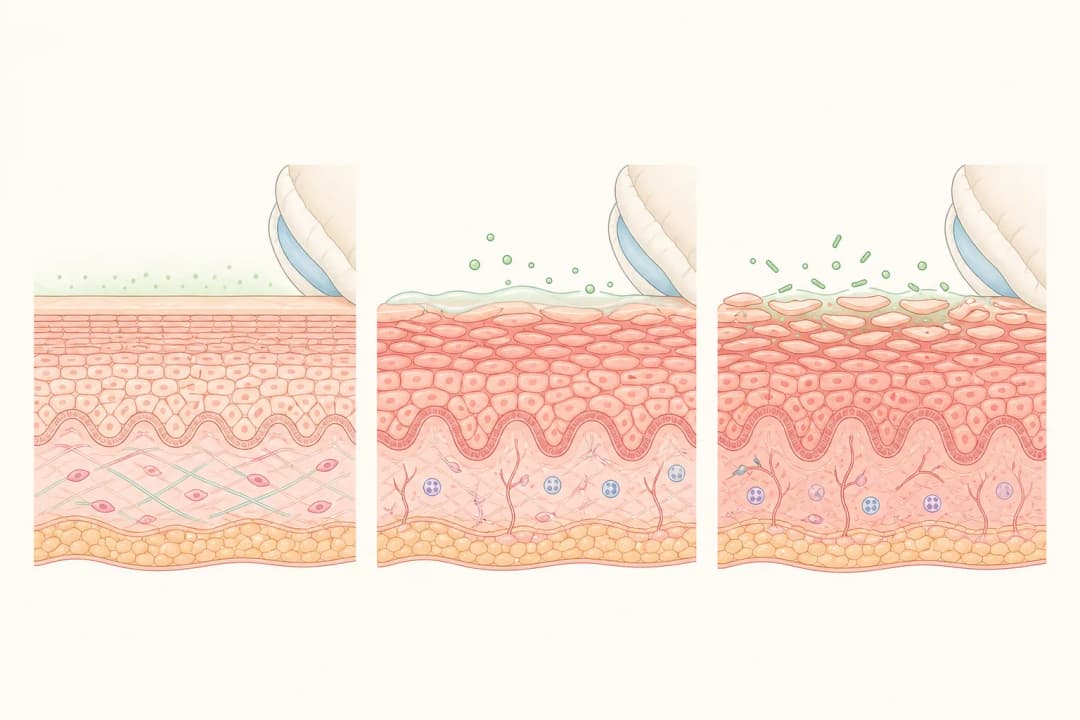
The nappy area is exposed to moisture and contact with urine or stool, while movement creates friction. This can cause irritant dermatitis, with redness and soreness on exposed surfaces. Yeast can also contribute, especially when the rash involves folds or has small surrounding spots. Some creams, wipes and scented washes may irritate already fragile skin. A remedy that protects the barrier may be enough for mild irritation, but a different medicine may be needed when infection or another diagnosis is suspected.
How to use home remedies safely
Wash your hands, change the nappy frequently and clean with lukewarm water or a gentle fragrance-free wipe. Pat dry and apply a bland barrier layer without rubbing the sore skin. Use a loose nappy and pause for brief nappy-free periods if practical. Stop any newly introduced product that seems to worsen the redness. Emollient therapy may be discussed for barrier support. If the rash has features of yeast, a clinician may recommend topical antifungal treatment; do not share medicines or use leftover prescriptions.
Signs a remedy is not enough
Contact a clinician when the rash does not begin to settle, keeps coming back, extends beyond the nappy area or causes significant pain. Seek prompt care for blisters, open sores, pus, yellow crusts, marked swelling or fever. Urgent assessment is appropriate if the baby is difficult to wake, feeding poorly or appears seriously unwell. A healthcare professional can check for yeast, bacterial infection, eczema or another cause before recommending a medicine.
Useful questions to take along
Ask which ingredients to look for in a barrier product, whether any current cream should be stopped, how to recognise yeast, and how soon the skin should be reviewed. Bring the product packaging and describe the timing of changes, feeds, stools and new skincare products.
Find care
General Clinics & Polyclinics in Abu Dhabi
That answer is general. If you want it applied to your own case, these are licensed general clinics & polyclinics listed in Abu Dhabi.
27 Ar Ruwwad St - Shakhbout City - MSH4 - Abu Dhabi - United Arab Emirates
Accepts: Daman, Thiqa, Cigna, MetLife +20 more
Al Ruwais, Al Dhafrah
Accepts: Daman, Thiqa, AXA, Cigna +16 more
Al Bahyah - Al Bahyah Old - Abu Dhabi - United Arab Emirates
Accepts: Daman, Thiqa, Cigna, Allianz Care +18 more
Abu Dhabi
Accepts: Daman, Thiqa, AXA, Cigna +27 more
Ordered by verification status and how complete each clinic's public record is, then alphabetically. This is a directory listing, not a ranking — Zavis does not rate or recommend providers.
A factual listing drawn from the DHA, DOH and MOHAP licence registers. It is not a referral, an endorsement, or advice that any of these providers is right for you.
Questions people ask
Should I use several creams together?
Using multiple products can irritate the skin and makes it harder to identify what helps, so use a simple plan unless advised otherwise.
Can I use an over-the-counter antifungal?
Ask a pharmacist or clinician first, particularly for a young baby or a rash that is raw, spreading or recurrent.
Related
Related reading
Keep reading
Medical disclaimer. This page is general health information, not medical advice, and it cannot diagnose you. Always consult a licensed healthcare provider about your own symptoms and treatment. In an emergency in the UAE, call 998 for an ambulance.