
What should you know about mumps in pregnancy treatment?
Short answer
Mumps treatment during pregnancy is mainly supportive, with clinician-guided fever and pain control, hydration, rest and monitoring for complications.
This answers one question. It is not a diagnosis and does not replace an assessment by a licensed doctor.
At a glance
- Treatment focus
- Rest, fluids and guided symptom relief
- Antibiotics
- They do not treat the mumps virus
- Contact
- Phone before attending a clinic
How treatment is planned
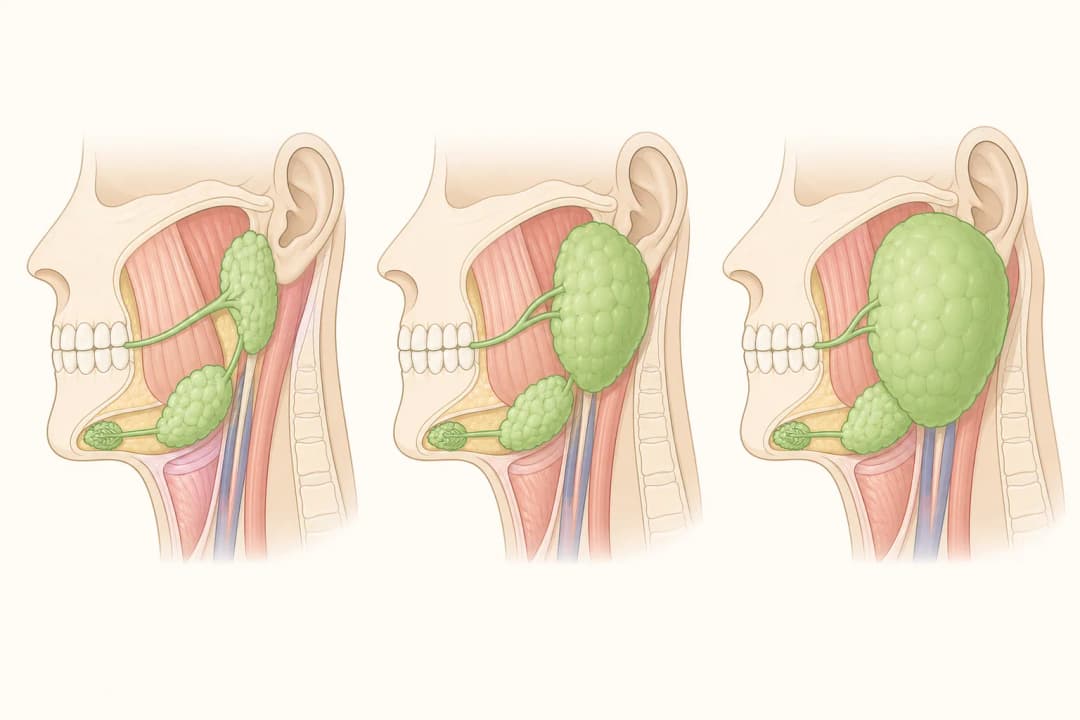
Mumps is caused by a virus, so antibiotics do not treat the infection itself. A clinician assesses symptoms such as swollen glands near the jaw, fever, headache and tiredness, while considering your pregnancy and other health needs. Testing may be arranged when the diagnosis is uncertain or public-health advice requires confirmation.
Treatment choices must account for pregnancy. Your clinician can recommend a suitable medicine for fever or pain and explain what to avoid. Drinking regularly matters because fever, poor appetite and painful chewing can reduce fluid intake. Soft foods and cool drinks may be easier to manage.
Care at home and contact precautions
Call your GP or maternity team before an in-person appointment. Rest, monitor how much you are drinking and follow the medication instructions you receive. Avoid sharing drinks, cutlery or towels, and limit close contact while you may be infectious. Tell the clinician about anyone vulnerable who has been exposed. MMR vaccination helps prevent future infection but is not a treatment for current symptoms; ask when it is appropriate for you.
When treatment needs review
Seek urgent help if you cannot keep fluids down, pass very little urine, have difficulty breathing, become confused, faint, develop a severe headache with neck stiffness, or have severe worsening pain. Contact your maternity service promptly for bleeding, fluid loss, significant abdominal pain or reduced fetal movement at a stage when movement is expected.
Questions to take along
Ask which medicine and dose are appropriate, whether testing is needed, how long to limit contact, how to manage poor intake, and which pregnancy symptoms should prompt emergency care.
Find care
General Clinics & Polyclinics in Abu Dhabi
That answer is general. If you want it applied to your own case, these are licensed general clinics & polyclinics listed in Abu Dhabi.
27 Ar Ruwwad St - Shakhbout City - MSH4 - Abu Dhabi - United Arab Emirates
Accepts: Daman, Thiqa, Cigna, MetLife +20 more
Al Ruwais, Al Dhafrah
Accepts: Daman, Thiqa, AXA, Cigna +16 more
Al Bahyah - Al Bahyah Old - Abu Dhabi - United Arab Emirates
Accepts: Daman, Thiqa, Cigna, Allianz Care +18 more
Abu Dhabi
Accepts: Daman, Thiqa, AXA, Cigna +27 more
Ordered by verification status and how complete each clinic's public record is, then alphabetically. This is a directory listing, not a ranking — Zavis does not rate or recommend providers.
A factual listing drawn from the DHA, DOH and MOHAP licence registers. It is not a referral, an endorsement, or advice that any of these providers is right for you.
Questions people ask
Are antibiotics used for mumps?
Mumps is viral, so antibiotics do not treat the infection. A clinician may prescribe them only if a separate bacterial problem is suspected.
What should I do if swallowing hurts?
Try fluids and soft foods, and contact your clinician if pain or poor intake makes hydration difficult.
Related
Related reading
Keep reading
Medical disclaimer. This page is general health information, not medical advice, and it cannot diagnose you. Always consult a licensed healthcare provider about your own symptoms and treatment. In an emergency in the UAE, call 998 for an ambulance.