
What should you know about mumps and treatment?
Short answer
Mumps treatment usually focuses on easing symptoms, limiting spread, and watching for complications while the body clears the infection.
This answers one question. It is not a diagnosis and does not replace an assessment by a licensed doctor.
At a glance
- Treatment type
- Supportive care for a viral infection
- Spread reduction
- Avoid close contact and sharing personal items
- Review
- Seek assessment when symptoms suggest mumps
What treatment involves
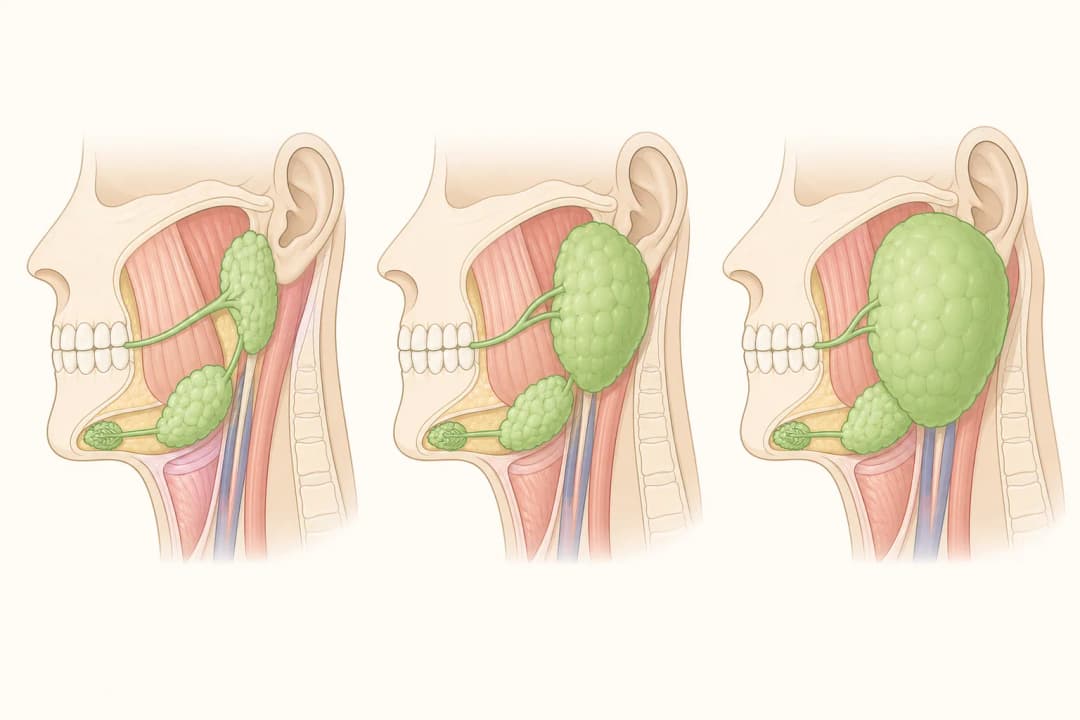
Mumps is a viral infection, so antibiotics do not treat the virus. Rest, regular fluids, and suitable pain or fever relief can make eating, drinking, and sleeping easier. Soft foods may be more comfortable when the glands near the jaw are swollen. A clinician may assess your symptoms and examine your mouth, neck, ears, and abdomen; testing may be considered when the diagnosis is uncertain or public-health advice is needed.
Avoid sharing cups, cutlery, towels, or close face-to-face contact. Stay away from school, work, or group activities for the period advised by a clinician or local health authority. The [Mumps](/conditions/mumps/) page explains the illness in more detail.
Practical steps at home
Sip fluids often and choose foods that need little chewing. Use a cool or warm compress on tender swelling, whichever feels more soothing. Follow the label or a clinician’s instructions for any medicine, and check before giving medicines to a child. Do not take leftover antibiotics. Arrange a [GP Consultation](/treatments/consultations-and-assessment/gp-consultation/) if symptoms fit mumps, especially after contact with someone diagnosed with it.
When to seek care
Seek urgent medical help for severe headache, stiff neck, confusion, a seizure, trouble breathing, repeated vomiting, severe abdominal pain, or sudden testicular pain or swelling. Contact a clinician promptly if fever is persistent, dehydration is developing, symptoms are worsening, or a pregnant person or person with reduced immunity may have been exposed. For background on [Fever](/symptoms/fever/) and [Swollen Glands](/symptoms/swollen-glands/), use the linked guides.
Questions for your doctor
Ask whether your symptoms need testing, how long you should avoid close contact, which pain-relief options suit you, and which warning signs require urgent review. You can also ask whether your household should check their [MMR Vaccination](/treatments/preventive-care-and-vaccination/mmr-vaccination/) history.
Find care
General Clinics & Polyclinics in Abu Dhabi
That answer is general. If you want it applied to your own case, these are licensed general clinics & polyclinics listed in Abu Dhabi.
27 Ar Ruwwad St - Shakhbout City - MSH4 - Abu Dhabi - United Arab Emirates
Accepts: Daman, Thiqa, Cigna, MetLife +20 more
Al Ruwais, Al Dhafrah
Accepts: Daman, Thiqa, AXA, Cigna +16 more
Al Bahyah - Al Bahyah Old - Abu Dhabi - United Arab Emirates
Accepts: Daman, Thiqa, Cigna, Allianz Care +18 more
Abu Dhabi
Accepts: Daman, Thiqa, AXA, Cigna +27 more
Ordered by verification status and how complete each clinic's public record is, then alphabetically. This is a directory listing, not a ranking — Zavis does not rate or recommend providers.
A factual listing drawn from the DHA, DOH and MOHAP licence registers. It is not a referral, an endorsement, or advice that any of these providers is right for you.
Questions people ask
Do antibiotics cure mumps?
No. Mumps is caused by a virus, so care generally relieves symptoms while the infection settles.
Can I go to work with mumps?
Avoid close contact and follow the isolation period given by a clinician or health authority.
Related
Related reading
Keep reading
Medical disclaimer. This page is general health information, not medical advice, and it cannot diagnose you. Always consult a licensed healthcare provider about your own symptoms and treatment. In an emergency in the UAE, call 998 for an ambulance.