
What should you know about metanium nappy rash treatment?
Short answer
Metanium may be used for some nappy rashes, but careful cleansing, thorough drying, frequent changes, and medical review for persistent or infected skin are also needed.
This answers one question. It is not a diagnosis and does not replace an assessment by a licensed doctor.
At a glance
- Core care
- Frequent changes, gentle cleaning, drying, and barrier protection
- Product use
- Follow the label and use a thin layer as directed
- Review needed
- Persistent, spreading, painful, or infected-looking rash
Why nappy rash happens
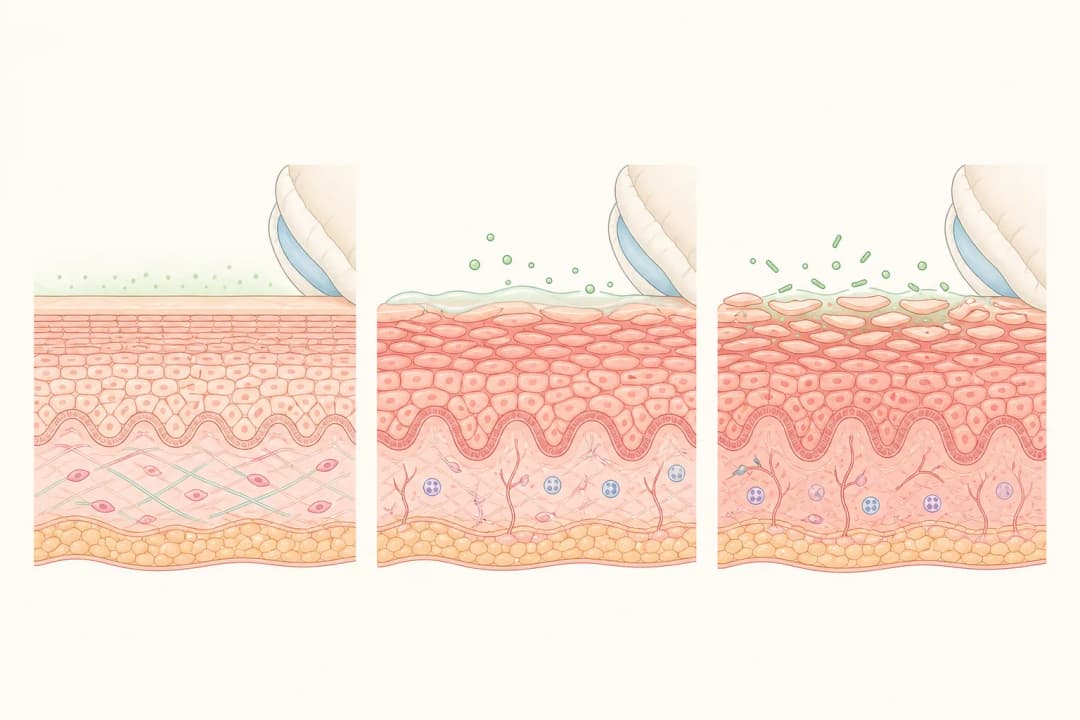
Nappy rash, also called diaper dermatitis, often develops when moisture, urine, stool, warmth, and rubbing weaken the skin barrier. It can look red and sore across the nappy area, but not every rash has the same cause. A yeast infection, bacterial infection, allergy, or another skin condition may need different treatment.
Metanium is a topical product used for some types of nappy rash. Check the product instructions and the child's age suitability, and use only a thin layer on clean, dry skin unless a clinician gives different directions. Keep it away from the eyes, mouth, and areas that are not intended for the product. Do not use it to cover a worsening rash without reassessment.
Gentle nappy-area care
Change wet or soiled nappies promptly. Clean with lukewarm water or a gentle fragrance-free cleanser, pat dry rather than rubbing, and allow brief nappy-free time when practical. Apply the recommended product sparingly and wash your hands before and after use. Avoid talcum powder, fragranced wipes, harsh soaps, and scrubbing.
If the rash has sharply defined edges, satellite spots, involvement of skin folds, or repeated flares, ask a clinician whether a fungal cause is possible rather than adding treatments yourself. Emollient therapy can support the skin barrier: /treatments/medical-dermatology/emollient-therapy/. A topical antifungal treatment may be considered when a clinician identifies fungal infection: /treatments/medical-dermatology/topical-antifungal-therapy/.
When your child needs review
Contact a clinician if the rash is not improving, keeps returning, or is causing marked pain. Seek prompt care for blisters, pus, open sores, bleeding, fever, spreading redness, or a child who seems unusually unwell. Urgent assessment is needed if the rash is rapidly worsening or involves extensive broken skin. Stop a product and seek advice if it causes new swelling, hives, or breathing trouble.
What to ask
Does this look like ordinary irritant nappy rash or could it be fungal, bacterial, or allergic? Is this product suitable for my child and how often should it be applied? What should I use for washing and moisturising, and when should the rash be reviewed?
Find care
General Clinics & Polyclinics in Abu Dhabi
That answer is general. If you want it applied to your own case, these are licensed general clinics & polyclinics listed in Abu Dhabi.
27 Ar Ruwwad St - Shakhbout City - MSH4 - Abu Dhabi - United Arab Emirates
Accepts: Daman, Thiqa, Cigna, MetLife +20 more
Al Ruwais, Al Dhafrah
Accepts: Daman, Thiqa, AXA, Cigna +16 more
Al Bahyah - Al Bahyah Old - Abu Dhabi - United Arab Emirates
Accepts: Daman, Thiqa, Cigna, Allianz Care +18 more
Abu Dhabi
Accepts: Daman, Thiqa, AXA, Cigna +27 more
Ordered by verification status and how complete each clinic's public record is, then alphabetically. This is a directory listing, not a ranking — Zavis does not rate or recommend providers.
A factual listing drawn from the DHA, DOH and MOHAP licence registers. It is not a referral, an endorsement, or advice that any of these providers is right for you.
Questions people ask
Can I use Metanium on every nappy rash?
No. Nappy rashes have different causes, and a persistent or unusual rash may need a different treatment after examination.
Should I apply a thick layer?
Use the amount and frequency stated on the product instructions or given by a clinician; more product is not automatically better.
Related
Related reading
Keep reading
Medical disclaimer. This page is general health information, not medical advice, and it cannot diagnose you. Always consult a licensed healthcare provider about your own symptoms and treatment. In an emergency in the UAE, call 998 for an ambulance.