
MCL injury swelling: what it can mean
Short answer
Swelling after an MCL injury reflects irritated or damaged tissues and should be assessed with knee stability and movement.
This answers one question. It is not a diagnosis and does not replace an assessment by a licensed doctor.
At a glance
- Typical area
- Inner knee near the MCL
- What to monitor
- Size, warmth, motion and stability
- Helpful principle
- Protect the knee while swelling and pain are active
Understanding the swelling
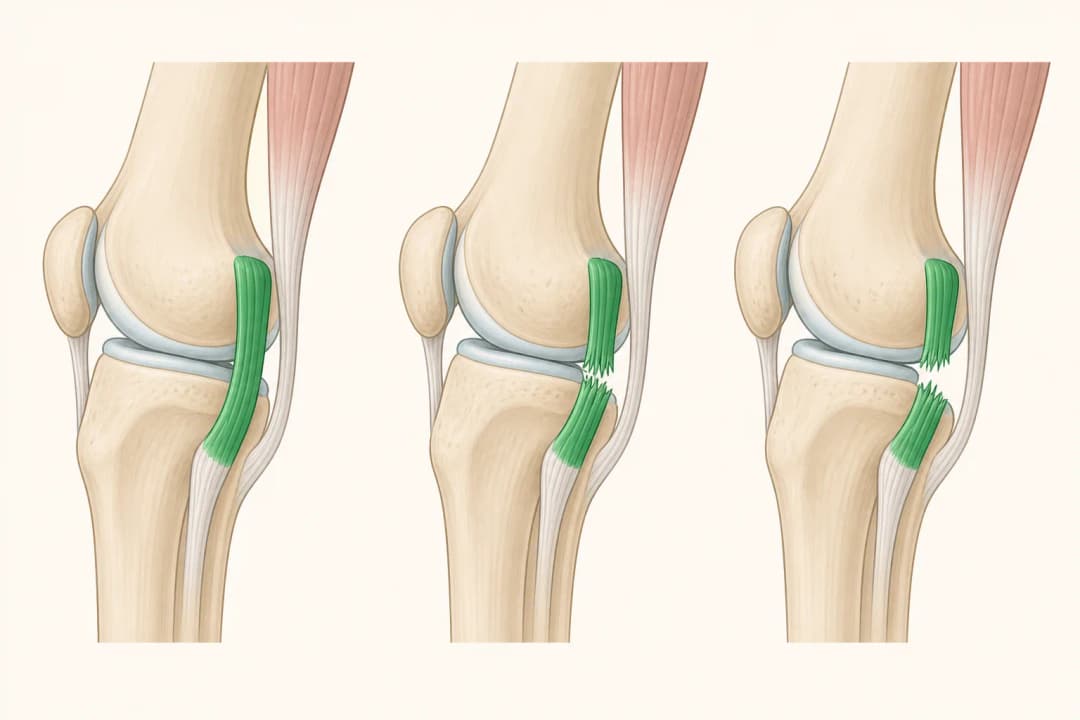
MCL injury swelling is often felt around the inner knee, with tenderness or bruising near the ligament. Swelling can also come from irritation inside the joint or from another injured structure, so its location and timing do not establish the full diagnosis. Stiffness may make bending difficult, and a sense of looseness can point to reduced ligament support. A physical examination helps distinguish these patterns and decide whether imaging is useful.
Ways to settle symptoms
Pause running, jumping and sideways movements while the knee is swollen. Elevate the leg when resting and use a cool pack wrapped in cloth for short periods if that feels helpful; protect the skin and avoid extreme cold. Do not force a stiff knee through pain. A clinician may recommend [Knee Bracing](/treatments/non-surgical-orthopedics/knee-bracing/) for support. Once movement is safe, [Physiotherapy](/treatments/physiotherapy-and-rehabilitation/physiotherapy/) can guide mobility and strengthening.
When to seek care
Have the knee assessed when swelling follows a clear injury, keeps returning, or is paired with locking or giving way. Get urgent help for severe swelling that develops quickly, a deformed joint, inability to bear weight, fever with a hot red knee, or numbness and unusual coldness in the foot.
Questions for your doctor
Ask whether the swelling is outside the joint or within it, whether the MCL feels stable, and whether another ligament or cartilage structure may be involved. Ask how to monitor swelling during exercises and when a [Return-to-Sport Programme](/treatments/physiotherapy-and-rehabilitation/return-to-sport-programme/) is suitable.
Find care
General Clinics & Polyclinics in Abu Dhabi
That answer is general. If you want it applied to your own case, these are licensed general clinics & polyclinics listed in Abu Dhabi.
27 Ar Ruwwad St - Shakhbout City - MSH4 - Abu Dhabi - United Arab Emirates
Accepts: Daman, Thiqa, Cigna, MetLife +20 more
Al Ruwais, Al Dhafrah
Accepts: Daman, Thiqa, AXA, Cigna +16 more
Al Bahyah - Al Bahyah Old - Abu Dhabi - United Arab Emirates
Accepts: Daman, Thiqa, Cigna, Allianz Care +18 more
Abu Dhabi
Accepts: Daman, Thiqa, AXA, Cigna +27 more
Ordered by verification status and how complete each clinic's public record is, then alphabetically. This is a directory listing, not a ranking — Zavis does not rate or recommend providers.
A factual listing drawn from the DHA, DOH and MOHAP licence registers. It is not a referral, an endorsement, or advice that any of these providers is right for you.
Questions people ask
Is swelling alone enough to diagnose an MCL injury?
No. Swelling can have several causes, so examination of tenderness, movement and stability is needed.
Should I exercise a swollen knee?
Avoid aggravating activity and use only movements that stay within the plan given by your clinician or physiotherapist.
Related
Related reading
Keep reading
Medical disclaimer. This page is general health information, not medical advice, and it cannot diagnose you. Always consult a licensed healthcare provider about your own symptoms and treatment. In an emergency in the UAE, call 998 for an ambulance.