
What should you know about lysil silicone gel sheet?
Short answer
A silicone gel sheet is a reusable scar dressing placed on healed skin to support scar care, but it must be used as directed and monitored for irritation.
This answers one question. It is not a diagnosis and does not replace an assessment by a licensed doctor.
At a glance
- Placement
- Only on suitable, fully healed skin
- Purpose
- Supports care of some raised or troublesome scars
- Stop and check
- Blistering, weeping, swelling, or increasing pain
How it fits into scar care
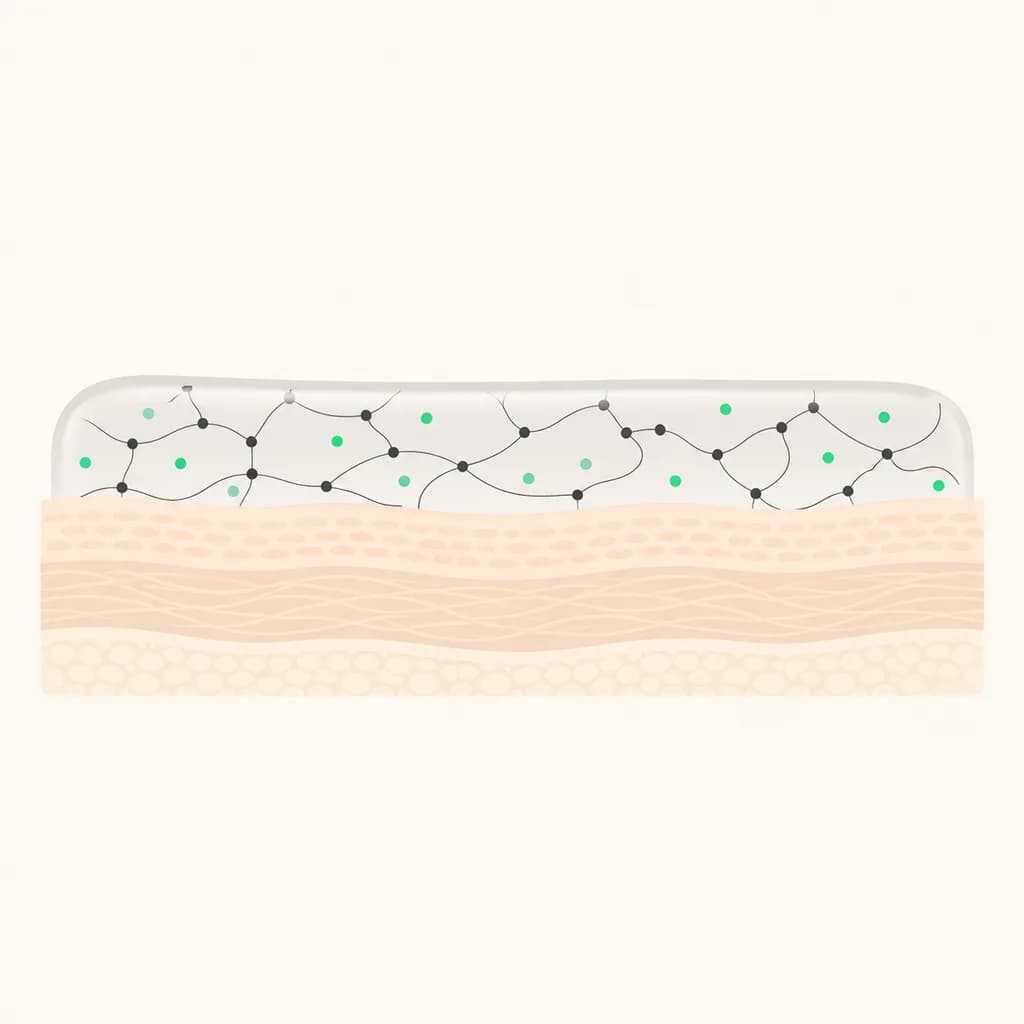
Silicone sheets sit over a closed scar and create a protective, hydrated surface. They are generally considered for raised, thick, red, or itchy scars after the wound has healed. They are not meant for open wounds, active infection, draining areas, or skin that cannot tolerate adhesive contact.
Scar appearance changes gradually and depends on the original injury, surgery, skin type, tension on the wound, and healing pattern. A sheet may soften or flatten a raised scar for some people, but it cannot erase every scar or correct an active wound problem.
Using a sheet carefully
Clean and dry the healed skin, then apply the sheet according to its product directions. Keep the area dry as advised, wash the sheet as instructed, and inspect both the skin and the sheet regularly. Increase wear time gradually if the instructions recommend this, especially when the skin is sensitive. Do not place it over cream, broken skin, or a scar that is becoming more painful or inflamed without professional advice.
If a scar remains raised, tight, or troublesome despite routine care, a dermatology or surgical assessment can discuss options such as scar revision surgery and other treatments.
When to get medical advice
Remove the sheet and seek advice for blistering, marked redness, swelling, weeping, increasing pain, or a spreading rash. Arrange review if the scar opens, becomes warm and tender, produces discharge, or changes quickly. Emergency help is needed for facial swelling or breathing difficulty after an adhesive reaction.
Questions for your doctor
Ask whether the wound is healed enough for silicone, how long to wear the sheet each day, how to clean it, and what to do if the edges irritate your skin. Ask whether your scar is raised or contractured and whether another scar treatment is more appropriate.
Find care
General Clinics & Polyclinics in Abu Dhabi
That answer is general. If you want it applied to your own case, these are licensed general clinics & polyclinics listed in Abu Dhabi.
27 Ar Ruwwad St - Shakhbout City - MSH4 - Abu Dhabi - United Arab Emirates
Accepts: Daman, Thiqa, Cigna, MetLife +20 more
Al Ruwais, Al Dhafrah
Accepts: Daman, Thiqa, AXA, Cigna +16 more
Al Bahyah - Al Bahyah Old - Abu Dhabi - United Arab Emirates
Accepts: Daman, Thiqa, Cigna, Allianz Care +18 more
Abu Dhabi
Accepts: Daman, Thiqa, AXA, Cigna +27 more
Ordered by verification status and how complete each clinic's public record is, then alphabetically. This is a directory listing, not a ranking — Zavis does not rate or recommend providers.
A factual listing drawn from the DHA, DOH and MOHAP licence registers. It is not a referral, an endorsement, or advice that any of these providers is right for you.
Questions people ask
Can a silicone gel sheet go on an open wound?
No. It should not cover an open, infected, or draining wound unless a clinician specifically advises it.
What if the sheet causes itching or redness?
Remove it, gently clean the area, and seek advice if the irritation persists, spreads, blisters, or becomes painful.
Related
Related reading
Keep reading
Medical disclaimer. This page is general health information, not medical advice, and it cannot diagnose you. Always consult a licensed healthcare provider about your own symptoms and treatment. In an emergency in the UAE, call 998 for an ambulance.