
Large silicone scar sheets: what to know
Short answer
Large silicone scar sheets cover a healed scar with silicone and may help soften, flatten, or reduce the appearance of some raised scars over time.
This answers one question. It is not a diagnosis and does not replace an assessment by a licensed doctor.
At a glance
- Use on
- Clean, healed skin rather than an open or infected wound
- Check for
- Itching, rash, trapped moisture, blistering, or broken skin
What the sheet does
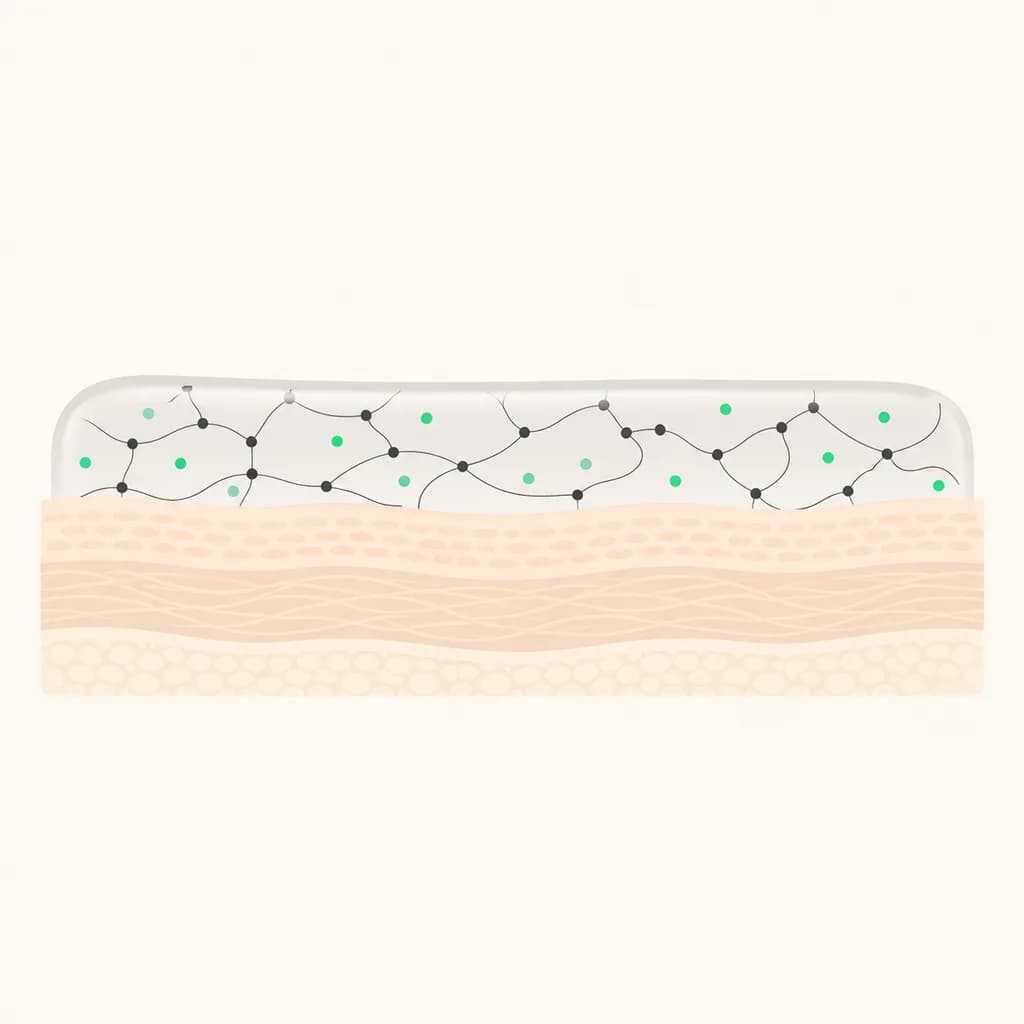
A silicone sheet creates a protective layer over the scar and reduces rubbing from clothing or movement. It is used for suitable healed scars, including some raised or thickened scars; it is not placed over an open wound, active infection, or wet dressing. A large sheet can be trimmed to extend slightly beyond the scar, but excess material may lift, trap sweat, or irritate nearby skin. Silicone does not erase a scar, and response varies with scar age, thickness, location, and skin sensitivity.
Using it carefully
Clean and dry the healed skin before application, then follow the product’s instructions for wearing time and cleaning. Introduce it gradually if your skin is sensitive. Check underneath regularly for itching, rash, maceration, or broken skin, and remove it if irritation persists. Wash the sheet as directed and let the skin breathe between applications when needed. Sun protection helps limit darkening of a healing scar. A dermatologist can advise on fit, alternatives, or a broader scar plan.
When to seek care
Stop using the sheet and seek advice for blistering, marked redness, swelling, drainage, worsening pain, or a rash that does not settle after removal. Arrange specialist review if the scar grows beyond the original wound, restricts movement, becomes persistently painful, or remains troublesome despite careful use. A new or changing lump within a scar also needs assessment.
Questions for your doctor
Ask whether the scar is healed enough for silicone, how far the sheet should extend, and how to manage sweating or adhesive irritation. Discuss whether injections, pressure therapy, or scar revision surgery might suit a thick, tight, or symptomatic scar.
Find care
General Clinics & Polyclinics in Abu Dhabi
That answer is general. If you want it applied to your own case, these are licensed general clinics & polyclinics listed in Abu Dhabi.
27 Ar Ruwwad St - Shakhbout City - MSH4 - Abu Dhabi - United Arab Emirates
Accepts: Daman, Thiqa, Cigna, MetLife +20 more
Al Ruwais, Al Dhafrah
Accepts: Daman, Thiqa, AXA, Cigna +16 more
Al Bahyah - Al Bahyah Old - Abu Dhabi - United Arab Emirates
Accepts: Daman, Thiqa, Cigna, Allianz Care +18 more
Abu Dhabi
Accepts: Daman, Thiqa, AXA, Cigna +27 more
Ordered by verification status and how complete each clinic's public record is, then alphabetically. This is a directory listing, not a ranking — Zavis does not rate or recommend providers.
A factual listing drawn from the DHA, DOH and MOHAP licence registers. It is not a referral, an endorsement, or advice that any of these providers is right for you.
Questions people ask
Can a large sheet be cut to size?
Many silicone sheets can be trimmed, but follow the product directions and avoid leaving a bulky edge that rubs or lifts.
How quickly will a scar change?
Scar remodeling is gradual, and the timeline depends on the scar’s thickness, age, site, and individual skin response.
Related
Related reading
Keep reading
Medical disclaimer. This page is general health information, not medical advice, and it cannot diagnose you. Always consult a licensed healthcare provider about your own symptoms and treatment. In an emergency in the UAE, call 998 for an ambulance.