
What should you know about IV rehydration therapy?
Short answer
IV rehydration therapy supplies fluid through a vein when drinking is not enough or possible, while the cause of dehydration still needs treatment.
This answers one question. It is not a diagnosis and does not replace an assessment by a licensed doctor.
At a glance
- Purpose
- Replace fluid through a vein
- Underlying issue
- The source of fluid loss still needs assessment
- Before treatment
- Share heart, kidney, pregnancy, and medicine details
How rehydration is delivered
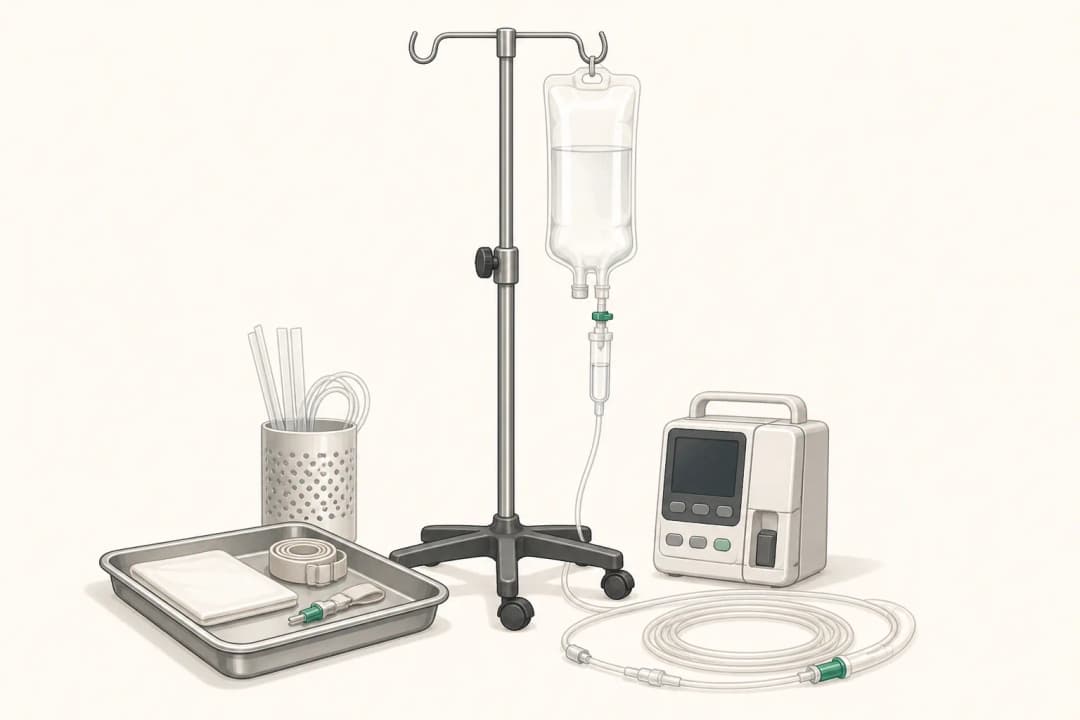
A clinician places a cannula into a vein and gives a measured fluid solution. Depending on the situation, the solution may contain electrolytes or other prescribed components. IV treatment can be useful when vomiting, severe diarrhoea, swallowing difficulty, or illness makes oral fluids difficult, but it is not a general cure for every episode of tiredness or feeling unwell.
Dehydration may cause thirst, a dry mouth, darker urine, reduced urination, dizziness, or weakness. Severe symptoms need prompt assessment because fluid loss can accompany infection, heat illness, blood loss, or another medical problem. An [IV Vitamin Drip](/treatments/lifestyle-and-wellness/iv-vitamin-drip/) is a different service and should not be assumed to be the right fluid treatment.
What to do first
For mild fluid loss, ask a clinician or pharmacist which oral fluids are appropriate and take small, frequent sips if you can keep them down. Tell the treating team about heart or kidney disease, pregnancy, allergies, and medicines, because fluid volume and electrolyte content may need careful selection. Do not request added vitamins as a substitute for identifying why dehydration occurred.
Get urgent help when
Seek urgent medical care for fainting, confusion, severe weakness, breathing difficulty, chest pain, very little urine, blood in vomit or stool, or inability to keep fluids down. After cannula removal, increasing redness, warmth, swelling, pain, or discharge at the site needs medical advice. A worsening illness, high fever, or ongoing diarrhoea also warrants prompt review.
Questions to ask
How dehydrated am I, and what is causing the fluid loss? Can oral rehydration work for me? Which solution will be used, and how will my heart and kidneys be considered? What should I drink afterward, and which symptoms mean I need to return for care?
Find care
General Clinics & Polyclinics in Abu Dhabi
That answer is general. If you want it applied to your own case, these are licensed general clinics & polyclinics listed in Abu Dhabi.
27 Ar Ruwwad St - Shakhbout City - MSH4 - Abu Dhabi - United Arab Emirates
Accepts: Daman, Thiqa, Cigna, MetLife +20 more
Al Ruwais, Al Dhafrah
Accepts: Daman, Thiqa, AXA, Cigna +16 more
Al Bahyah - Al Bahyah Old - Abu Dhabi - United Arab Emirates
Accepts: Daman, Thiqa, Cigna, Allianz Care +18 more
Abu Dhabi
Accepts: Daman, Thiqa, AXA, Cigna +27 more
Ordered by verification status and how complete each clinic's public record is, then alphabetically. This is a directory listing, not a ranking — Zavis does not rate or recommend providers.
A factual listing drawn from the DHA, DOH and MOHAP licence registers. It is not a referral, an endorsement, or advice that any of these providers is right for you.
Questions people ask
Is IV rehydration the same as an IV vitamin drip?
No. Rehydration focuses on fluid replacement; a vitamin drip may contain added nutrients and has a different purpose.
Can I drink fluids instead?
For mild dehydration, oral fluids may be suitable if you can swallow and keep them down. A clinician can advise on the safest option.
Related
Related reading
Keep reading
Medical disclaimer. This page is general health information, not medical advice, and it cannot diagnose you. Always consult a licensed healthcare provider about your own symptoms and treatment. In an emergency in the UAE, call 998 for an ambulance.