
What should you know about IV hydration and vitamin therapy?
Short answer
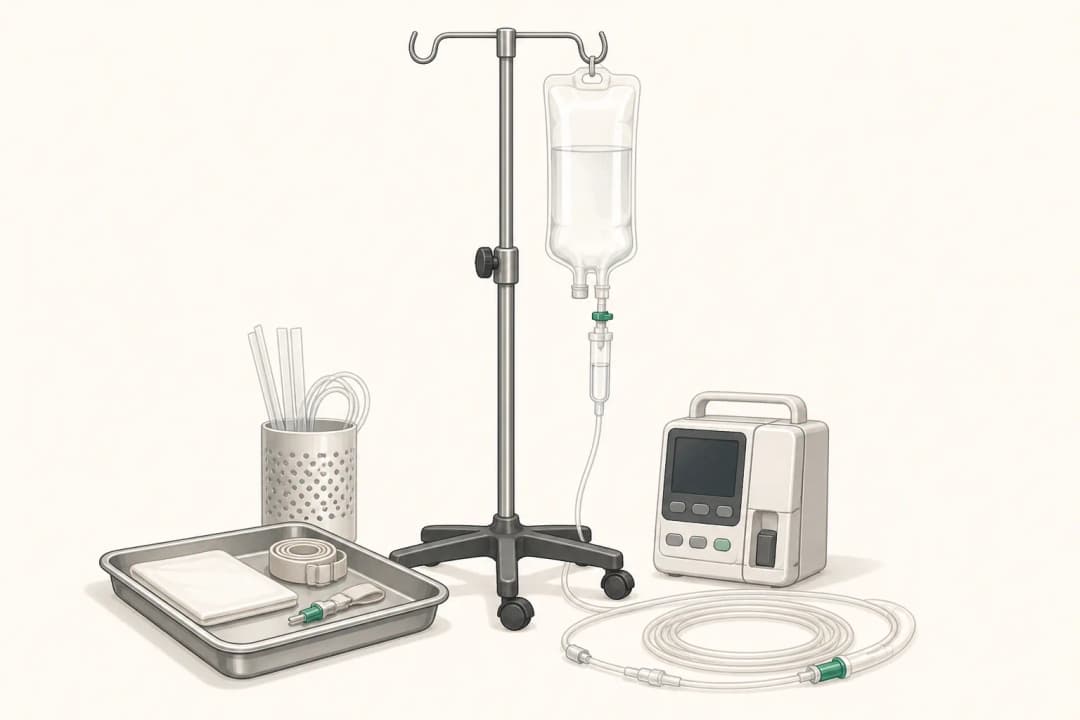
IV hydration and vitamin therapy can deliver fluids or prescribed nutrients into a vein, but they should follow a clinical assessment.
This answers one question. It is not a diagnosis and does not replace an assessment by a licensed doctor.
At a glance
- Route
- Fluid and prescribed nutrients enter a vein
- Assessment
- Symptoms, history, medicines, and testing may guide treatment
- Alternatives
- Oral supplements or targeted injections may be suitable
What the treatment involves
An IV drip places fluid and, when appropriate, selected vitamins or minerals into a vein. It may be considered when a documented deficiency, poor absorption, or another medical reason requires a prescribed route. A wellness drip is not a substitute for finding the cause of fatigue, poor concentration, or reduced energy. Vitamin B12 deficiency and vitamin D deficiency require appropriate assessment; the right treatment may be an injection, oral medicine, or supplementation rather than an IV drip.
How to approach a drip safely
Discuss your symptoms, medical history, allergies, pregnancy status, and medicines with a clinician. Ask whether blood tests are needed before treatment and which ingredients are being given. Use a regulated service with trained staff and sterile, single-use supplies. During treatment, tell the clinician about burning, swelling, pain, dizziness, palpitations, nausea, or a rash. Keep a record of the product and dose so future clinicians can avoid duplication or interactions.
When to seek medical help
Get urgent help for breathing difficulty, facial swelling, widespread hives, fainting, severe chest discomfort, or confusion during or after an infusion. Contact a clinician promptly if the IV site becomes increasingly red, hot, swollen, or painful, or if fever develops. Persistent fatigue, numbness, muscle weakness, or bone pain deserves assessment because a vitamin drip could delay diagnosis of another condition.
Questions for your doctor
Ask which deficiency or symptom is being treated, what evidence supports the chosen route, whether oral treatment or an injection would work, and how response and side effects will be monitored.
Find care
General Clinics & Polyclinics in Abu Dhabi
That answer is general. If you want it applied to your own case, these are licensed general clinics & polyclinics listed in Abu Dhabi.
27 Ar Ruwwad St - Shakhbout City - MSH4 - Abu Dhabi - United Arab Emirates
Accepts: Daman, Thiqa, Cigna, MetLife +20 more
Al Ruwais, Al Dhafrah
Accepts: Daman, Thiqa, AXA, Cigna +16 more
Al Bahyah - Al Bahyah Old - Abu Dhabi - United Arab Emirates
Accepts: Daman, Thiqa, Cigna, Allianz Care +18 more
Abu Dhabi
Accepts: Daman, Thiqa, AXA, Cigna +27 more
Ordered by verification status and how complete each clinic's public record is, then alphabetically. This is a directory listing, not a ranking — Zavis does not rate or recommend providers.
A factual listing drawn from the DHA, DOH and MOHAP licence registers. It is not a referral, an endorsement, or advice that any of these providers is right for you.
Questions people ask
Does an IV vitamin drip treat fatigue?
Only if an identified, treatable problem is contributing to fatigue; unexplained fatigue needs a clinical assessment rather than an assumed vitamin infusion.
Is IV treatment always better than tablets?
No. The appropriate route depends on the deficiency, absorption, symptoms, and medical advice.
Related
Related reading
Keep reading
Medical disclaimer. This page is general health information, not medical advice, and it cannot diagnose you. Always consult a licensed healthcare provider about your own symptoms and treatment. In an emergency in the UAE, call 998 for an ambulance.