
Intravenous glutathione therapy: what to know
Short answer
Intravenous glutathione delivers an antioxidant through a vein, but its purpose, benefits, and risks should be assessed for your individual health needs.
This answers one question. It is not a diagnosis and does not replace an assessment by a licensed doctor.
At a glance
- Route
- A prepared solution is delivered through a vein
- Discuss first
- Your goal, medical history, ingredients, and monitoring plan
Understanding the therapy
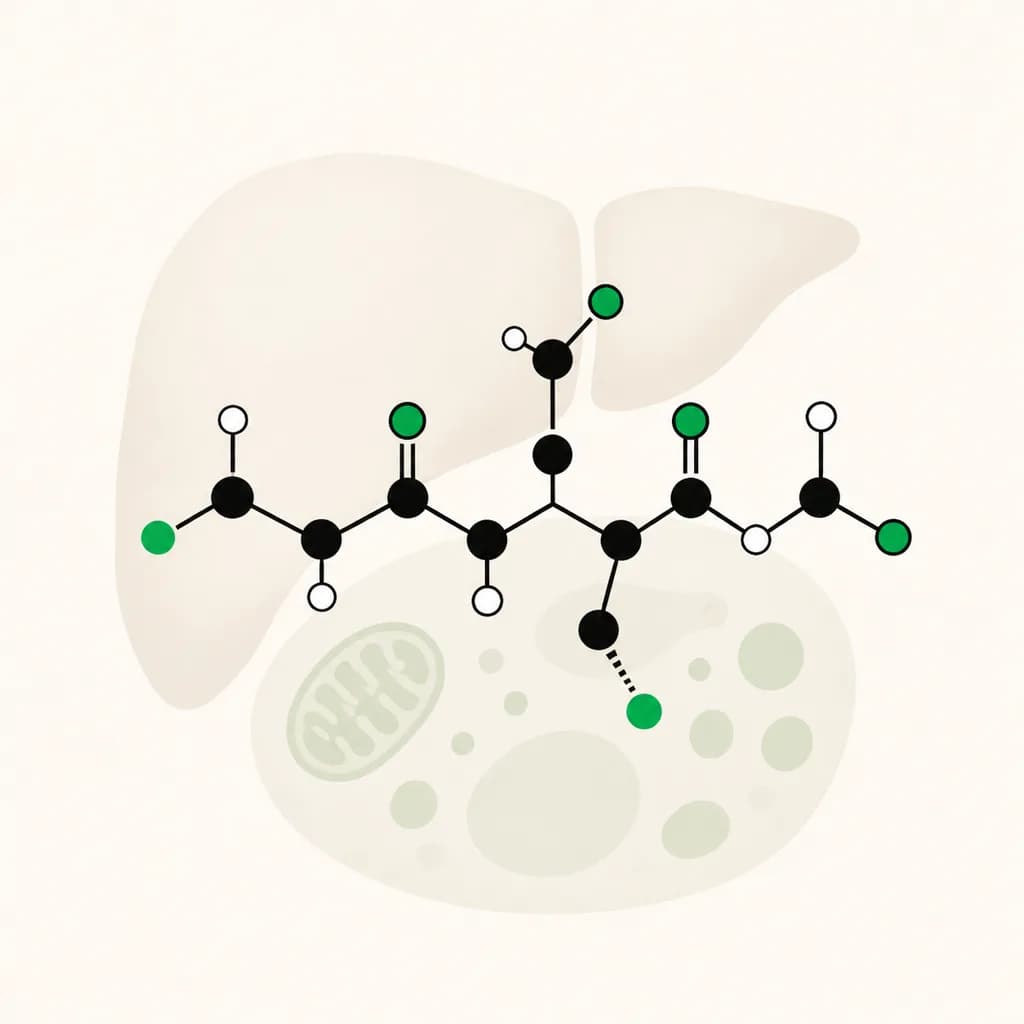
Glutathione is a substance made by the body and involved in antioxidant processes. Intravenous therapy places a prepared solution into a vein through a cannula. Clinics may present it for cosmetic aims or general wellness, but the reason for treatment should be clear before proceeding. The Glutathione page provides background on the material.
A drip can cause needle-site soreness, bruising, dizziness, nausea, headache, flushing, or discomfort during administration. Reactions may relate to the solution, another ingredient, the rate of infusion, or an underlying condition. A qualified clinician should review the product and your medical history.
Before and after treatment
Ask who is prescribing and administering the therapy, what is in the solution, how it was prepared, and how you will be monitored. Share allergies, medicines, kidney or liver problems, asthma, pregnancy or breastfeeding, and prior reactions. Stay for the recommended observation period and report symptoms promptly instead of leaving while you feel unwell.
Keep the cannula area clean and watch for increasing redness, warmth, swelling, or discharge. Do not schedule repeated sessions automatically; review whether the original goal was met and whether another approach is more appropriate.
When to seek urgent help
Call emergency services for trouble breathing, swelling of the face or throat, collapse, widespread hives, severe chest discomfort, or sudden confusion. Seek prompt medical advice for persistent vomiting, severe abdominal pain, marked weakness, or a worsening injection-site reaction.
Questions for your doctor
What is the treatment intended to address? What alternatives are available? Which product and ingredients will be used, what monitoring is provided, and what symptoms require urgent care?
Find care
General Clinics & Polyclinics in Abu Dhabi
That answer is general. If you want it applied to your own case, these are licensed general clinics & polyclinics listed in Abu Dhabi.
27 Ar Ruwwad St - Shakhbout City - MSH4 - Abu Dhabi - United Arab Emirates
Accepts: Daman, Thiqa, Cigna, MetLife +20 more
Al Ruwais, Al Dhafrah
Accepts: Daman, Thiqa, AXA, Cigna +16 more
Al Bahyah - Al Bahyah Old - Abu Dhabi - United Arab Emirates
Accepts: Daman, Thiqa, Cigna, Allianz Care +18 more
Abu Dhabi
Accepts: Daman, Thiqa, AXA, Cigna +27 more
Ordered by verification status and how complete each clinic's public record is, then alphabetically. This is a directory listing, not a ranking — Zavis does not rate or recommend providers.
A factual listing drawn from the DHA, DOH and MOHAP licence registers. It is not a referral, an endorsement, or advice that any of these providers is right for you.
Questions people ask
Can I receive this therapy at any clinic?
Choose a service where a qualified clinician can review your history, use a suitable preparation, and respond to a reaction.
What should I do if I feel dizzy during the drip?
Tell the administering clinician immediately so they can assess you and take appropriate action.
Related
Related reading
Keep reading
Medical disclaimer. This page is general health information, not medical advice, and it cannot diagnose you. Always consult a licensed healthcare provider about your own symptoms and treatment. In an emergency in the UAE, call 998 for an ambulance.