
What should you know about intestinal amebiasis treatment?
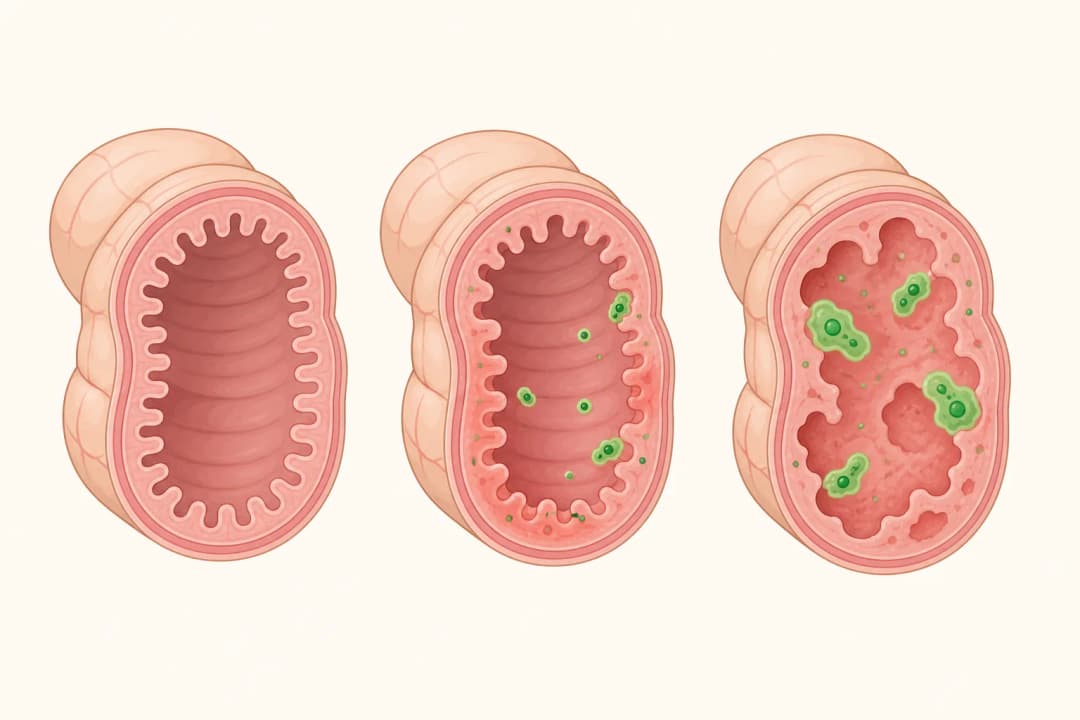
Short answer
Intestinal amebiasis treatment usually requires prescribed anti-parasitic medicine, fluid replacement, and follow-up to confirm the infection has cleared.
This answers one question. It is not a diagnosis and does not replace an assessment by a licensed doctor.
At a glance
- Core treatment
- Prescribed anti-parasitic medicine
- Supportive care
- Replace fluids and prevent transmission
- Follow-up
- Review persistent or returning symptoms
How treatment works
A clinician first considers symptoms, travel or water exposure, medical history, and stool test results. Treatment is selected to remove the parasite from the intestine; the medicine and course depend on the form of infection and local prescribing practice. A person with severe illness may need hospital care for fluids and closer observation.
Symptoms may improve before the organism has been fully cleared. For that reason, do not judge treatment only by how the bowel feels. Persistent diarrhoea, blood or mucus, cramps, or renewed symptoms may need reassessment and further testing.
What to do during treatment
Take the prescribed medicine at the stated times and tell the prescriber about pregnancy, liver disease, allergies, and other medicines. Maintain fluids with safe water or oral rehydration solution when diarrhoea is present. Wash hands after toileting, clean bathroom surfaces, and avoid preparing food for others until a clinician says the risk has passed.
Do not self-treat with leftover antibiotics. Antibacterial medicines are not interchangeable with anti-parasitic treatment, and the wrong choice can delay diagnosis or cause side effects. Keep any planned review, even if you feel better.
When to seek care
Contact a clinician promptly for blood in stool, severe pain, ongoing vomiting, dehydration, fever, or symptoms that do not settle after treatment. Seek emergency help for fainting, confusion, severe weakness, or inability to keep fluids down. Worsening symptoms after starting medicine may reflect dehydration, a complication, or another diagnosis.
Questions for your doctor
Ask which organism the tests found, how the prescribed medicine should be taken, whether another course is needed to clear intestinal carriage, when follow-up testing is useful, and how to protect household contacts.
Find care
General Clinics & Polyclinics in Abu Dhabi
That answer is general. If you want it applied to your own case, these are licensed general clinics & polyclinics listed in Abu Dhabi.
27 Ar Ruwwad St - Shakhbout City - MSH4 - Abu Dhabi - United Arab Emirates
Accepts: Daman, Thiqa, Cigna, MetLife +20 more
Al Ruwais, Al Dhafrah
Accepts: Daman, Thiqa, AXA, Cigna +16 more
Al Bahyah - Al Bahyah Old - Abu Dhabi - United Arab Emirates
Accepts: Daman, Thiqa, Cigna, Allianz Care +18 more
Abu Dhabi
Accepts: Daman, Thiqa, AXA, Cigna +27 more
Ordered by verification status and how complete each clinic's public record is, then alphabetically. This is a directory listing, not a ranking — Zavis does not rate or recommend providers.
A factual listing drawn from the DHA, DOH and MOHAP licence registers. It is not a referral, an endorsement, or advice that any of these providers is right for you.
Questions people ask
Can I treat intestinal amoebiasis with any antibiotic?
No. The medicine must match the suspected parasite and infection site; use only treatment prescribed for you.
Should treatment stop when diarrhoea improves?
Follow the prescribed course and review plan. Symptom improvement does not always mean the infection has cleared.
Related
Related reading
Keep reading
Medical disclaimer. This page is general health information, not medical advice, and it cannot diagnose you. Always consult a licensed healthcare provider about your own symptoms and treatment. In an emergency in the UAE, call 998 for an ambulance.