
Infant cradle cap treatment: what parents should know
Short answer
Infant cradle cap treatment usually starts with gentle washing and softening of scales, while persistent or inflamed cases may need clinician-guided treatment.
This answers one question. It is not a diagnosis and does not replace an assessment by a licensed doctor.
At a glance
- First approach
- Gentle washing and scale softening
- Prescription decisions
- Depend on inflammation, distribution, and diagnosis
- Do not do
- Scrape scale or use adult medicated products without advice
Why treatment varies
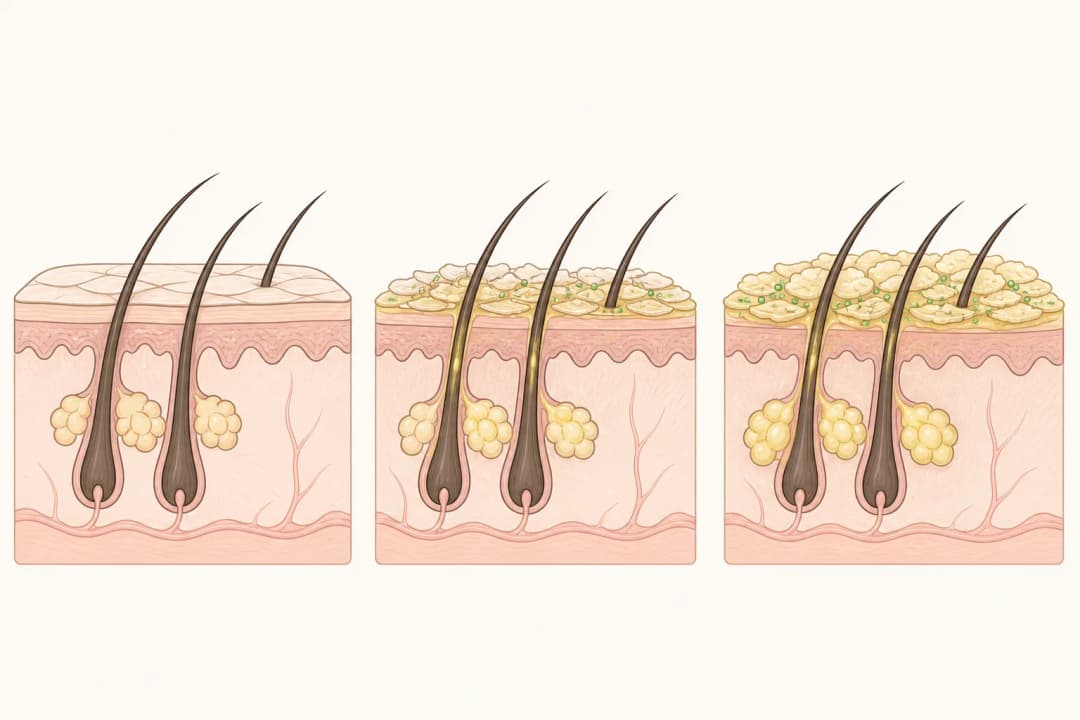
Cradle cap can range from a few loose flakes to thicker, greasy scale with redness. The right approach depends on the baby’s age, the areas involved, how irritated the skin is, and whether another condition looks similar. A clinician may examine the scalp before recommending medicine. Treatment is not about scrubbing every flake away; the aim is to loosen scale while protecting the skin barrier and avoiding accidental scratches.
Treatment steps
Start with mild cleansing and lukewarm water. When scale is stuck, a healthcare professional may recommend Emollient Therapy to soften it before gentle brushing. Do not pick at attached scale or use adult dandruff products without advice. If inflammation or a yeast-related component is suspected, Topical Antifungal Treatment may be considered under professional direction. Follow the product instructions closely, keep medicines away from the eyes and mouth, and stop if the skin becomes more irritated.
When treatment needs review
Contact a clinician if the scalp becomes painful, swollen, cracked, bleeding, wet, or covered with pus. Prompt advice is appropriate if the baby has fever, seems unusually sleepy, feeds poorly, or the rash spreads beyond the scalp. Arrange a review when recommended care does not improve the skin, when the diagnosis is uncertain, or when there are bald patches or marked hair breakage.
What to ask
Ask whether the appearance is typical cradle cap, which product is suitable for your baby, how long to try it, how to remove scale safely, and what side effects should lead you to stop treatment.
Find care
General Clinics & Polyclinics in Abu Dhabi
That answer is general. If you want it applied to your own case, these are licensed general clinics & polyclinics listed in Abu Dhabi.
27 Ar Ruwwad St - Shakhbout City - MSH4 - Abu Dhabi - United Arab Emirates
Accepts: Daman, Thiqa, Cigna, MetLife +20 more
Al Ruwais, Al Dhafrah
Accepts: Daman, Thiqa, AXA, Cigna +16 more
Al Bahyah - Al Bahyah Old - Abu Dhabi - United Arab Emirates
Accepts: Daman, Thiqa, Cigna, Allianz Care +18 more
Abu Dhabi
Accepts: Daman, Thiqa, AXA, Cigna +27 more
Ordered by verification status and how complete each clinic's public record is, then alphabetically. This is a directory listing, not a ranking — Zavis does not rate or recommend providers.
A factual listing drawn from the DHA, DOH and MOHAP licence registers. It is not a referral, an endorsement, or advice that any of these providers is right for you.
Questions people ask
Does every baby with cradle cap need medicine?
No. Mild cases often improve with gentle cleansing and scale-softening care. A clinician can advise when medicine is appropriate.
How should thick cradle-cap scales be removed?
Soften them first if advised, then brush lightly. Do not pick, scrape, or pull at attached scales because this can injure the scalp.
Related
Related reading
Keep reading
Medical disclaimer. This page is general health information, not medical advice, and it cannot diagnose you. Always consult a licensed healthcare provider about your own symptoms and treatment. In an emergency in the UAE, call 998 for an ambulance.