
What should you know about immune IV therapy?
Short answer
Immune IV therapy is usually an IV vitamin drip for selected needs, not a proven substitute for diagnosing or treating an infection.
This answers one question. It is not a diagnosis and does not replace an assessment by a licensed doctor.
At a glance
- What enters the vein
- Fluid plus the selected formulation
- Before treatment
- Review health history, medicines, allergies, and possible tests
- Emergency symptoms
- Breathing trouble, swelling, collapse, or chest pain
How it is used
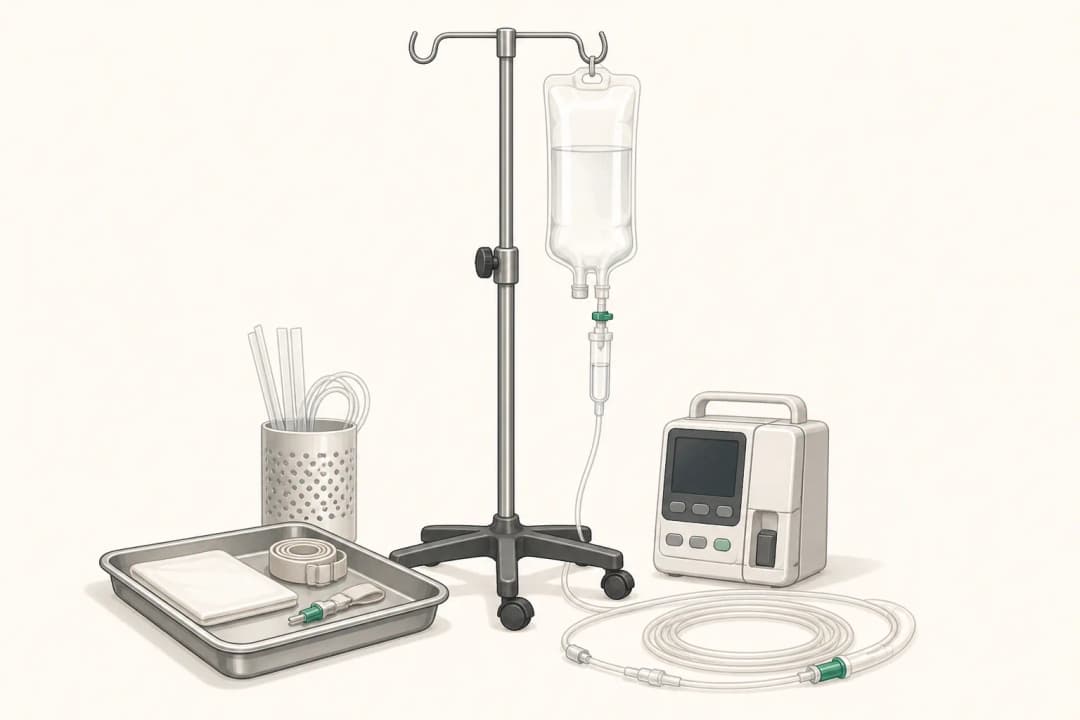
The treatment sends fluid and chosen nutrients into a vein. A branded name such as immune therapy does not identify the contents, and formulations can differ. The possible value comes from correcting a relevant problem, such as a confirmed nutrient deficiency, rather than from the label itself.
A consultation should cover your symptoms, health history, allergies, medicines, kidney function, and reason for treatment. An IV route can be useful in specific circumstances, but it also introduces risks related to the needle, fluid, and ingredients.
Practical steps
Before booking, request a written ingredient list and ask whether testing is needed. Tell the clinician about pregnancy, heart or kidney disease, previous infusion reactions, and all supplements. Choose a setting with trained staff, hand hygiene, emergency equipment, and a clear plan for observation.
If fatigue is the concern, arrange an assessment instead of assuming immunity is low. Depending on findings, a clinician may discuss food, sleep, hydration, oral treatment, Vitamin B12 Injection, or Vitamin D Supplementation.
When to get help
Get emergency help for breathing difficulty, facial or throat swelling, collapse, severe dizziness, or chest pain after an infusion. Seek medical advice for persistent vomiting, worsening headache, or a cannula site that becomes increasingly painful, red, swollen, or wet.
Useful questions
What diagnosis or deficiency is this intended to address? What are the alternatives? How will the ingredients interact with my current medicines? How long will I be observed, and whom should I contact if symptoms develop later?
Find care
General Clinics & Polyclinics in Abu Dhabi
That answer is general. If you want it applied to your own case, these are licensed general clinics & polyclinics listed in Abu Dhabi.
27 Ar Ruwwad St - Shakhbout City - MSH4 - Abu Dhabi - United Arab Emirates
Accepts: Daman, Thiqa, Cigna, MetLife +20 more
Al Ruwais, Al Dhafrah
Accepts: Daman, Thiqa, AXA, Cigna +16 more
Al Bahyah - Al Bahyah Old - Abu Dhabi - United Arab Emirates
Accepts: Daman, Thiqa, Cigna, Allianz Care +18 more
Abu Dhabi
Accepts: Daman, Thiqa, AXA, Cigna +27 more
Ordered by verification status and how complete each clinic's public record is, then alphabetically. This is a directory listing, not a ranking — Zavis does not rate or recommend providers.
A factual listing drawn from the DHA, DOH and MOHAP licence registers. It is not a referral, an endorsement, or advice that any of these providers is right for you.
Questions people ask
Does immune IV therapy strengthen the immune system?
The term is promotional rather than a diagnosis. An infusion may address a specific deficiency when clinically appropriate, but it cannot be assumed to improve immunity in every person.
Can I have it while taking medicines?
Possibly, but the full ingredient list must be checked against your medicines and conditions by a qualified clinician before treatment.
Related
Related reading
Keep reading
Medical disclaimer. This page is general health information, not medical advice, and it cannot diagnose you. Always consult a licensed healthcare provider about your own symptoms and treatment. In an emergency in the UAE, call 998 for an ambulance.