
How long does surgical management of miscarriage take to work for molar pregnancy?
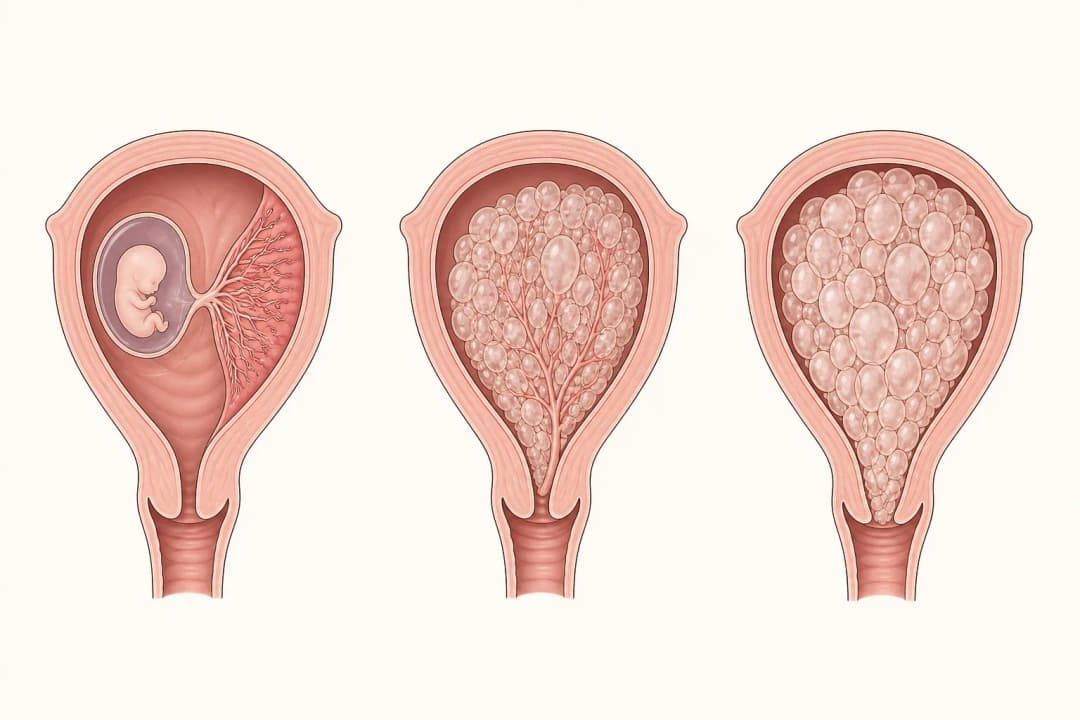
Short answer
Surgical management removes the molar pregnancy during the procedure, but follow-up is needed to confirm that treatment is complete and hormone levels are falling.
This answers one question. It is not a diagnosis and does not replace an assessment by a licensed doctor.
At a glance
- Procedure timing
- Removal occurs during the operation; confirmation relies on follow-up hCG checks.
- Follow-up
- Attend the monitoring plan even if bleeding and pain improve.
What the timing means
The operation itself is usually completed in a single hospital visit. Bleeding and cramping can continue while the uterus settles, so feeling better does not by itself prove that all abnormal pregnancy tissue has gone. A molar pregnancy can produce human chorionic gonadotropin, often called hCG. Your care team will arrange repeated blood or urine checks until the level reaches the expected range and remains there. The follow-up schedule matters because a small amount of persistent tissue may need further assessment.
What to do after treatment
Attend every follow-up appointment and keep the team informed about bleeding, pain, fever, or unusual discharge. Use the medicines and activity advice provided by your clinician. Ask when contraception is recommended, because a new pregnancy can make hCG results difficult to interpret. Keep a record of test dates and results so a rising or slowly changing level can be discussed promptly. Your specialist may explain whether additional treatment is needed if the hormone level does not fall as expected.
When to seek urgent care
Contact urgent medical services for heavy bleeding, faintness, severe or worsening abdominal pain, trouble breathing, chest pain, or a high temperature with feeling very unwell. Contact your maternity or gynaecology team promptly if bleeding becomes heavier after improving, pain persists despite the recommended medicine, or follow-up results are delayed. These symptoms need assessment for problems such as blood loss, infection, or tissue that requires further care.
Questions for your doctor
Ask when your first hCG check is due, how long monitoring may continue, and which result would prompt another scan or treatment. Clarify which symptoms are expected after the procedure, when you can resume usual activities, and who to call outside clinic hours.
Find care
General Clinics & Polyclinics in Abu Dhabi
That answer is general. If you want it applied to your own case, these are licensed general clinics & polyclinics listed in Abu Dhabi.
27 Ar Ruwwad St - Shakhbout City - MSH4 - Abu Dhabi - United Arab Emirates
Accepts: Daman, Thiqa, Cigna, MetLife +20 more
Al Ruwais, Al Dhafrah
Accepts: Daman, Thiqa, AXA, Cigna +16 more
Al Bahyah - Al Bahyah Old - Abu Dhabi - United Arab Emirates
Accepts: Daman, Thiqa, Cigna, Allianz Care +18 more
Abu Dhabi
Accepts: Daman, Thiqa, AXA, Cigna +27 more
Ordered by verification status and how complete each clinic's public record is, then alphabetically. This is a directory listing, not a ranking — Zavis does not rate or recommend providers.
A factual listing drawn from the DHA, DOH and MOHAP licence registers. It is not a referral, an endorsement, or advice that any of these providers is right for you.
Questions people ask
Does the operation finish treatment immediately?
It removes the visible molar pregnancy, but serial hCG monitoring is needed to check that treatment is complete.
Can hCG remain detectable after surgery?
Yes. The level may take time to fall, and your clinician will interpret the pattern of results.
Related
Related reading
Keep reading
Medical disclaimer. This page is general health information, not medical advice, and it cannot diagnose you. Always consult a licensed healthcare provider about your own symptoms and treatment. In an emergency in the UAE, call 998 for an ambulance.