
How long does a smoking cessation programme take to work for nicotine dependence?
Short answer
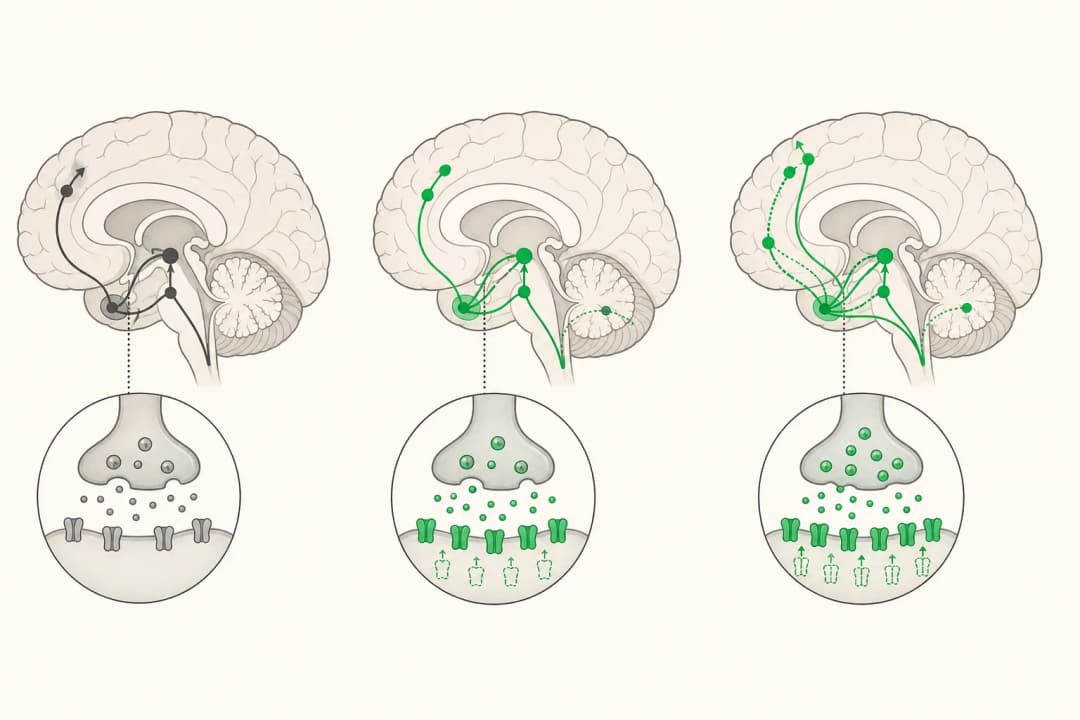
A smoking cessation programme begins working from the first quit plan, while nicotine cravings and habits usually need ongoing support.
This answers one question. It is not a diagnosis and does not replace an assessment by a licensed doctor.
At a glance
- Programme effect
- Starts with planning, education, and trigger support
- Cravings
- May fluctuate and need repeated coping strategies
Why progress takes time
Nicotine dependence has both a physical and behavioural side. The body adjusts after nicotine intake falls, while routines such as smoking with coffee, after meals, or during stress can continue to trigger urges. A programme helps you choose a quit date, anticipate withdrawal, change cues, and build responses to cravings. Urges often come in waves and can become easier to manage with practice, but an individual response varies with tobacco use, medicines, mental health, and social setting.
Steps that support quitting
Tell the programme team how much and how often you use nicotine, including vaping or other products. Make a written plan for cravings, keep substitutes available, and avoid the places or routines that strongly cue use during the early phase. Use recommended nicotine replacement or prescribed medicine according to instructions; do not alter doses without advice. Record slips without self-blame, identify what preceded them, and contact the team so the plan can be adapted.
When to seek care urgently
Seek urgent help for chest pain, severe breathing difficulty, fainting, or signs of a serious medicine reaction. Contact a clinician promptly if withdrawal brings overwhelming anxiety, severe depression, confusion, or thoughts of self-harm. Ask for review if cravings remain difficult despite following the plan, or if another medicine or health condition may be affecting your attempt.
Questions for your doctor
Ask which treatment options fit your nicotine use, health conditions, and previous quit attempts. Discuss how to use nicotine replacement, what withdrawal effects to expect, and when follow-up should happen. Ask how to handle a lapse, which support is available between appointments, and whether mood or sleep symptoms need separate care.
Find care
General Clinics & Polyclinics in Abu Dhabi
That answer is general. If you want it applied to your own case, these are licensed general clinics & polyclinics listed in Abu Dhabi.
27 Ar Ruwwad St - Shakhbout City - MSH4 - Abu Dhabi - United Arab Emirates
Accepts: Daman, Thiqa, Cigna, MetLife +20 more
Al Ruwais, Al Dhafrah
Accepts: Daman, Thiqa, AXA, Cigna +16 more
Al Bahyah - Al Bahyah Old - Abu Dhabi - United Arab Emirates
Accepts: Daman, Thiqa, Cigna, Allianz Care +18 more
Abu Dhabi
Accepts: Daman, Thiqa, AXA, Cigna +27 more
Ordered by verification status and how complete each clinic's public record is, then alphabetically. This is a directory listing, not a ranking — Zavis does not rate or recommend providers.
A factual listing drawn from the DHA, DOH and MOHAP licence registers. It is not a referral, an endorsement, or advice that any of these providers is right for you.
Questions people ask
Does one session end nicotine dependence?
Usually not. Ongoing support helps address withdrawal, routines, triggers, and lapses as they arise.
Is a lapse a failure?
No. It provides information about a trigger; share it with the team and revise the quit plan.
Keep reading
Medical disclaimer. This page is general health information, not medical advice, and it cannot diagnose you. Always consult a licensed healthcare provider about your own symptoms and treatment. In an emergency in the UAE, call 998 for an ambulance.