
How long does IVF take to work for unexplained infertility?
Short answer
For unexplained infertility, IVF timing includes preparation, stimulation, egg collection, embryo development, transfer, and pregnancy testing, with the exact calendar set by your clinic.
This answers one question. It is not a diagnosis and does not replace an assessment by a licensed doctor.
At a glance
- Why timing differs
- Preparation, ovarian response, embryo development, and transfer choice affect the calendar
- What IVF adds
- A planned laboratory fertilisation and embryo-transfer pathway
What the IVF timeline includes
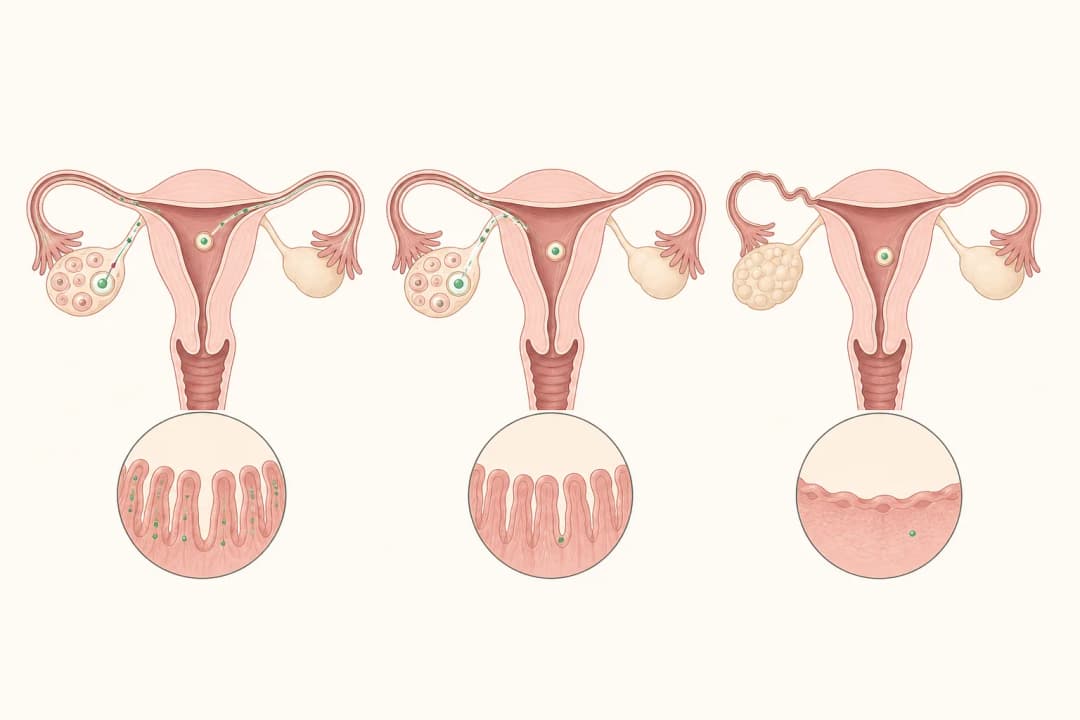
Unexplained infertility means routine evaluation has not identified a clear reason for difficulty conceiving. IVF gives the team more information and control over several steps: eggs are collected, sperm is used for fertilisation, embryos are observed in the laboratory, and an embryo may be transferred to the uterus. The treatment can use a fresh transfer or a frozen transfer planned for a later cycle.
Before treatment, your clinic may review ovarian reserve, the uterus, sperm results, medicines, and previous attempts. During stimulation, scans and blood tests guide medication changes. After transfer, pregnancy testing is scheduled by the clinic; a positive result is followed by further assessment rather than being treated as the final step.
Making the schedule clearer
Ask for a written calendar that shows preparation, monitoring, egg collection, transfer, and testing. Confirm which medicines start on which day and what happens if a scan changes the plan. Share any new medication, illness, or bleeding with the team. The IVF guide can help you recognise the stages before your consultation.
When to contact the clinic
During treatment, call promptly about severe pelvic pain, heavy bleeding, fever, faintness, repeated vomiting, or breathing difficulty. After egg collection or transfer, sudden worsening pain or marked abdominal swelling also needs assessment. Use the clinic's emergency number when symptoms are intense or progress quickly.
Questions for your doctor
Ask: What tests have been completed before IVF? Which transfer approach do you expect? What could postpone transfer? When should I test for pregnancy? Who should I contact outside clinic hours?
Find care
General Clinics & Polyclinics in Abu Dhabi
That answer is general. If you want it applied to your own case, these are licensed general clinics & polyclinics listed in Abu Dhabi.
27 Ar Ruwwad St - Shakhbout City - MSH4 - Abu Dhabi - United Arab Emirates
Accepts: Daman, Thiqa, Cigna, MetLife +20 more
Al Ruwais, Al Dhafrah
Accepts: Daman, Thiqa, AXA, Cigna +16 more
Al Bahyah - Al Bahyah Old - Abu Dhabi - United Arab Emirates
Accepts: Daman, Thiqa, Cigna, Allianz Care +18 more
Abu Dhabi
Accepts: Daman, Thiqa, AXA, Cigna +27 more
Ordered by verification status and how complete each clinic's public record is, then alphabetically. This is a directory listing, not a ranking — Zavis does not rate or recommend providers.
A factual listing drawn from the DHA, DOH and MOHAP licence registers. It is not a referral, an endorsement, or advice that any of these providers is right for you.
Questions people ask
Does unexplained infertility change the IVF steps?
The core steps are similar, but your team may tailor testing, stimulation, and transfer decisions to your history.
Can transfer happen in a later cycle?
Yes. Some plans use a frozen embryo transfer after the egg-collection cycle.
Related
Related reading
Keep reading
Medical disclaimer. This page is general health information, not medical advice, and it cannot diagnose you. Always consult a licensed healthcare provider about your own symptoms and treatment. In an emergency in the UAE, call 998 for an ambulance.