
How long does IV fluid therapy take to work for cholera?
Short answer
IV fluid therapy begins replacing fluid promptly in cholera, but the amount and duration depend on ongoing diarrhoea, dehydration severity, and response to treatment.
This answers one question. It is not a diagnosis and does not replace an assessment by a licensed doctor.
At a glance
- Main purpose
- Replace fluid and salts lost through diarrhoea and vomiting.
- Monitoring
- Urine, alertness, circulation, and ongoing losses guide treatment.
What the fluids do
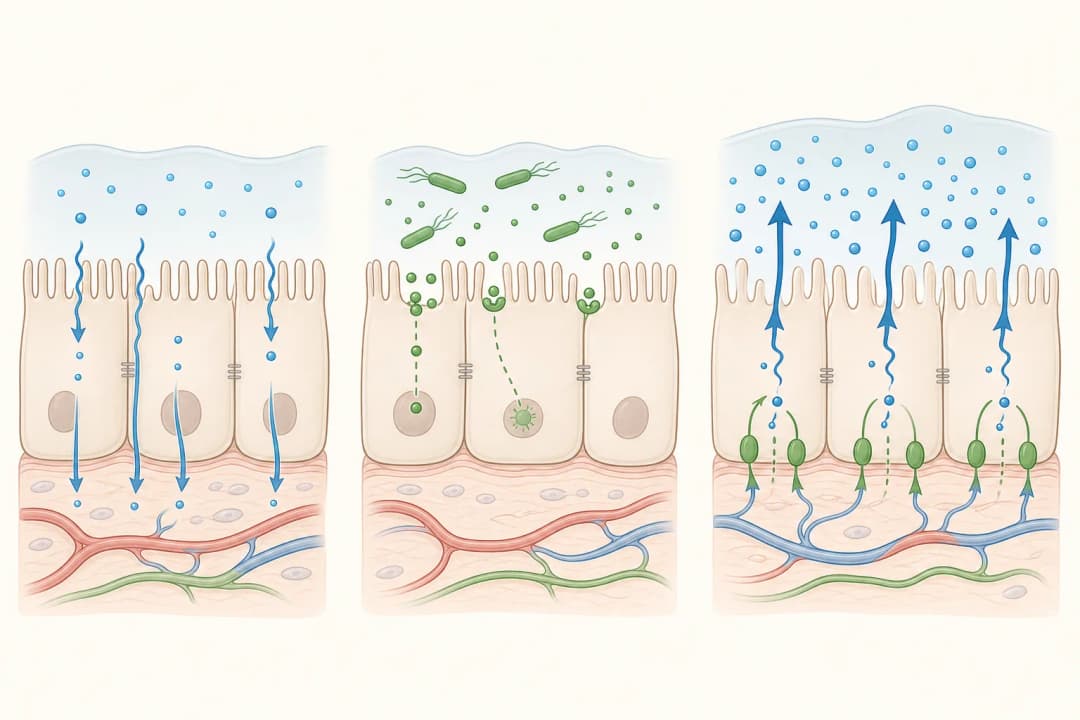
Cholera can cause large fluid and salt losses through frequent watery diarrhoea. An IV line delivers fluid directly into a vein when drinking is unsafe, insufficient, or too slow. Pulse, blood pressure, breathing, urine output, alertness, and the appearance of dehydration help the clinical team judge response.
Feeling less dizzy or more alert can be an early sign of improvement, but it does not mean the infection or fluid loss has ended. Oral rehydration solution is often added when the person can drink safely, and treatment for the infection may also be needed.
What happens during treatment
Cholera with significant dehydration needs urgent medical treatment in a facility equipped to monitor fluid replacement. Tell the team how often diarrhoea or vomiting is occurring and whether urine has become scant. Do not disconnect the IV line or change the fluid rate yourself.
If the person is alert and able to swallow, follow the clinician’s instructions about oral rehydration alongside the IV treatment. Keep hands clean and use safe water and food practices to reduce spread to other people.
When to seek urgent help
Seek emergency care immediately for collapse, confusion, extreme weakness, very little or no urine, inability to drink, repeated vomiting, cold or clammy skin, or fast and difficult breathing. A child, older adult, pregnant person, or someone with another serious condition may deteriorate quickly and needs prompt assessment.
Questions for your doctor
Ask how severe the dehydration is, which signs show that fluid replacement is working, when oral rehydration can begin, and how ongoing stool losses will be replaced. Check what infection treatment, hygiene measures, and follow-up are needed.
Find care
General Clinics & Polyclinics in Abu Dhabi
That answer is general. If you want it applied to your own case, these are licensed general clinics & polyclinics listed in Abu Dhabi.
27 Ar Ruwwad St - Shakhbout City - MSH4 - Abu Dhabi - United Arab Emirates
Accepts: Daman, Thiqa, Cigna, MetLife +20 more
Al Ruwais, Al Dhafrah
Accepts: Daman, Thiqa, AXA, Cigna +16 more
Al Bahyah - Al Bahyah Old - Abu Dhabi - United Arab Emirates
Accepts: Daman, Thiqa, Cigna, Allianz Care +18 more
Abu Dhabi
Accepts: Daman, Thiqa, AXA, Cigna +27 more
Ordered by verification status and how complete each clinic's public record is, then alphabetically. This is a directory listing, not a ranking — Zavis does not rate or recommend providers.
A factual listing drawn from the DHA, DOH and MOHAP licence registers. It is not a referral, an endorsement, or advice that any of these providers is right for you.
Questions people ask
Will IV fluids stop cholera diarrhoea?
IV fluids replace losses but do not by themselves stop the infection or diarrhoea.
Can oral rehydration replace IV treatment?
It may be used when the person can drink safely, but severe dehydration requires urgent clinical assessment and may need IV treatment.
Related
Related reading
Keep reading
Medical disclaimer. This page is general health information, not medical advice, and it cannot diagnose you. Always consult a licensed healthcare provider about your own symptoms and treatment. In an emergency in the UAE, call 998 for an ambulance.