
How long does induction of labour take to work for fetal growth restriction?
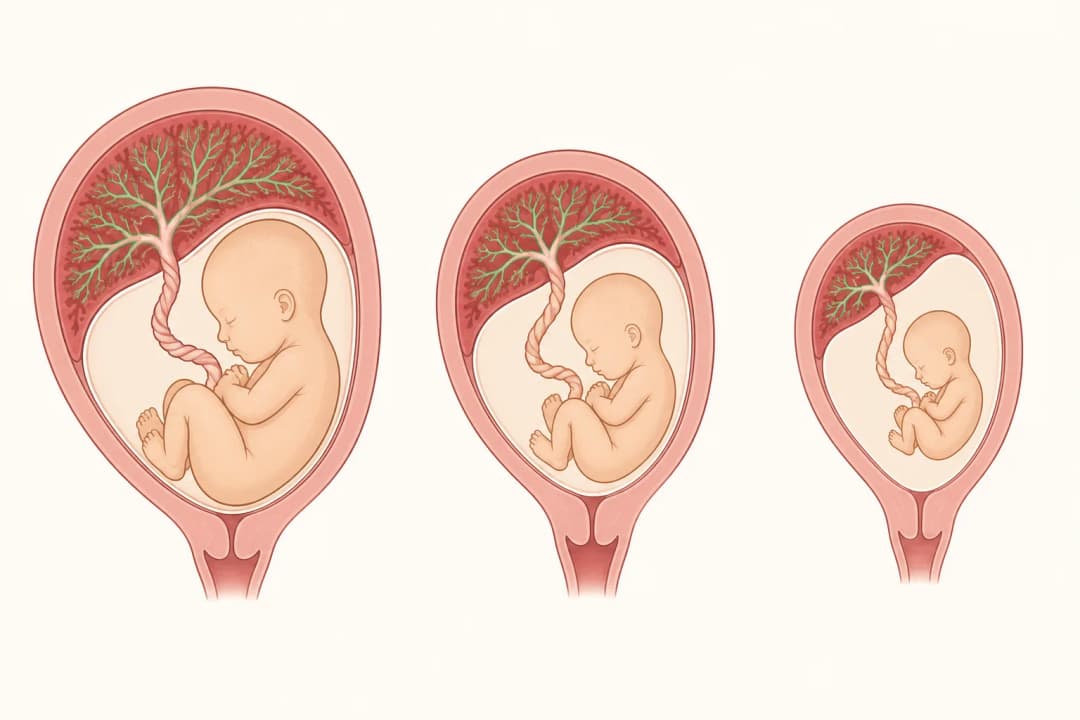
Short answer
Induction of labour for fetal growth restriction may begin with cervical preparation and can take many hours before established labour; the exact course depends on your cervix and monitoring.
This answers one question. It is not a diagnosis and does not replace an assessment by a licensed doctor.
At a glance
- First stage
- The cervix may need softening and opening
- Monitoring
- Baby’s heart rate and wellbeing guide each next step
Why timing varies
An induction may use medicine or a device to soften and open the cervix, followed by a method to start or strengthen contractions when appropriate. The response is checked gradually. With fetal growth restriction, the team considers the baby’s growth, blood flow, heart-rate pattern, gestational age, and your cervical examination. Continuous or repeated monitoring may change the plan if the baby does not tolerate contractions or labour does not progress. Induction is therefore a process with checkpoints rather than a single moment when it starts working.
How to prepare
Bring comfortable clothing, approved medicines, and any birth preferences, while allowing for changes to the plan. Eat and drink only as advised by the maternity team. Ask how monitoring will work, how pain relief is arranged, and what the next step will be if the cervix changes slowly. Follow instructions about movements, meals, and when to call staff. Read more about [Induction of Labour](/treatments/pregnancy-and-birth-care/induction-of-labour/).
When to seek care
If you are at home awaiting induction, contact your maternity unit urgently for reduced or changed fetal movements, vaginal bleeding, suspected waters breaking, regular painful contractions, or severe headache or visual changes. During an inpatient induction, tell staff immediately about pain that changes suddenly, bleeding, fluid loss, breathing difficulty, or feeling faint. The team may need to reassess you and the baby without waiting for the planned next step.
Questions for your doctor
Ask why induction is recommended now, how the baby’s growth and blood flow affect timing, which cervical preparation method is planned, and how long each review period may last. Ask what findings would lead to assisted birth or caesarean birth and how pain relief choices fit the plan.
Find care
General Clinics & Polyclinics in Abu Dhabi
That answer is general. If you want it applied to your own case, these are licensed general clinics & polyclinics listed in Abu Dhabi.
27 Ar Ruwwad St - Shakhbout City - MSH4 - Abu Dhabi - United Arab Emirates
Accepts: Daman, Thiqa, Cigna, MetLife +20 more
Al Ruwais, Al Dhafrah
Accepts: Daman, Thiqa, AXA, Cigna +16 more
Al Bahyah - Al Bahyah Old - Abu Dhabi - United Arab Emirates
Accepts: Daman, Thiqa, Cigna, Allianz Care +18 more
Abu Dhabi
Accepts: Daman, Thiqa, AXA, Cigna +27 more
Ordered by verification status and how complete each clinic's public record is, then alphabetically. This is a directory listing, not a ranking — Zavis does not rate or recommend providers.
A factual listing drawn from the DHA, DOH and MOHAP licence registers. It is not a referral, an endorsement, or advice that any of these providers is right for you.
Questions people ask
Can induction for fetal growth restriction take more than a day?
It can take many hours and sometimes longer, particularly when the cervix needs preparation; your maternity team will reassess progress and wellbeing throughout.
Does fetal growth restriction always mean induction will work?
The response varies. If labour does not progress or monitoring becomes concerning, the team may recommend a different birth plan.
Related
Related reading
Keep reading
Medical disclaimer. This page is general health information, not medical advice, and it cannot diagnose you. Always consult a licensed healthcare provider about your own symptoms and treatment. In an emergency in the UAE, call 998 for an ambulance.