
How long does a growth scan take to work for polyhydramnios?
Short answer
A growth scan for polyhydramnios often takes about 20 to 40 minutes, but it measures the fluid and baby’s wellbeing rather than treating the excess fluid.
This answers one question. It is not a diagnosis and does not replace an assessment by a licensed doctor.
At a glance
- Visit length
- Often about 20 to 40 minutes, with extra time possible for difficult images.
- What it measures
- Fluid, growth, movement, heartbeat and relevant placental findings.
What the scan checks
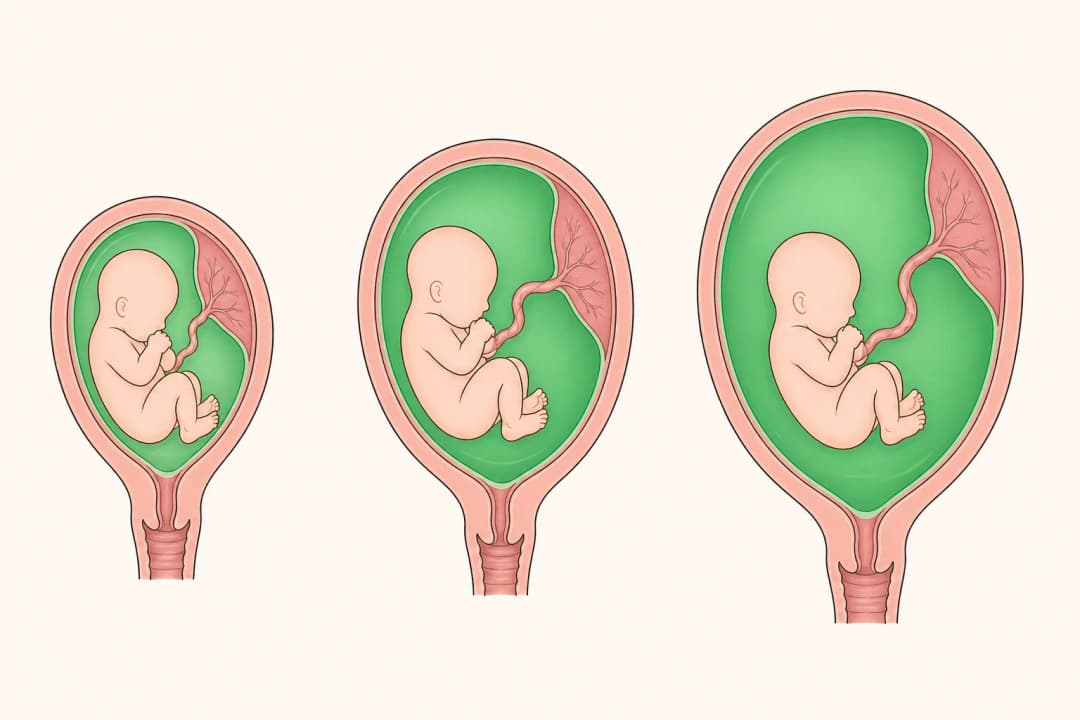
Ultrasound measures amniotic fluid and estimates your baby’s size. It also checks movement, heartbeat, anatomy when appropriate, and the placenta. The sonographer may need additional views because excess fluid can make the baby’s position change or make some images harder to capture.
Polyhydramnios can range from mild to more significant and may have different underlying explanations. Your clinician interprets the scan with your symptoms, pregnancy stage and earlier results. The findings may lead to repeat scans, tests for possible causes or closer monitoring of you and your baby.
How to prepare and follow up
Use the preparation instructions supplied by your maternity unit and bring a list of medicines or relevant pregnancy information. Ask what fluid measurement was found, whether growth and movement are reassuring, whether the baby’s position affects planning, and when the next review should happen. Do not attempt to reduce fluid by restricting drinks unless your clinician specifically tells you to.
When to seek maternity advice
Call your maternity unit promptly for breathlessness that is worsening, sudden abdominal enlargement or pain, leaking fluid, vaginal bleeding, regular contractions, or reduced baby movements. These symptoms need assessment rather than waiting for a routine growth scan.
Questions for your doctor
Ask what may be contributing to the high fluid level, whether further checks are recommended, how your baby’s growth will be followed, what labour symptoms should trigger a call, and how the fluid finding could affect birth planning.
Find care
General Clinics & Polyclinics in Abu Dhabi
That answer is general. If you want it applied to your own case, these are licensed general clinics & polyclinics listed in Abu Dhabi.
27 Ar Ruwwad St - Shakhbout City - MSH4 - Abu Dhabi - United Arab Emirates
Accepts: Daman, Thiqa, Cigna, MetLife +20 more
Al Ruwais, Al Dhafrah
Accepts: Daman, Thiqa, AXA, Cigna +16 more
Al Bahyah - Al Bahyah Old - Abu Dhabi - United Arab Emirates
Accepts: Daman, Thiqa, Cigna, Allianz Care +18 more
Abu Dhabi
Accepts: Daman, Thiqa, AXA, Cigna +27 more
Ordered by verification status and how complete each clinic's public record is, then alphabetically. This is a directory listing, not a ranking — Zavis does not rate or recommend providers.
A factual listing drawn from the DHA, DOH and MOHAP licence registers. It is not a referral, an endorsement, or advice that any of these providers is right for you.
Questions people ask
Does the scan lower amniotic fluid?
No. It measures the fluid and helps your clinical team decide whether further evaluation or monitoring is needed.
Why might the scan be repeated?
Fluid levels, growth and the baby’s position can change, so repeat imaging may help your team follow the pattern over time.
Related
Related reading
Keep reading
Medical disclaimer. This page is general health information, not medical advice, and it cannot diagnose you. Always consult a licensed healthcare provider about your own symptoms and treatment. In an emergency in the UAE, call 998 for an ambulance.