
How long does a GP consultation take to work for dry eye?
Short answer
A GP consultation can identify likely causes of dry eye and start a care plan during the appointment, but relief may take time as the eyes respond.
This answers one question. It is not a diagnosis and does not replace an assessment by a licensed doctor.
At a glance
- The consultation can provide
- Cause review, examination and a treatment plan
- Mention
- Contact lenses, medicines and vision changes
Why improvement varies
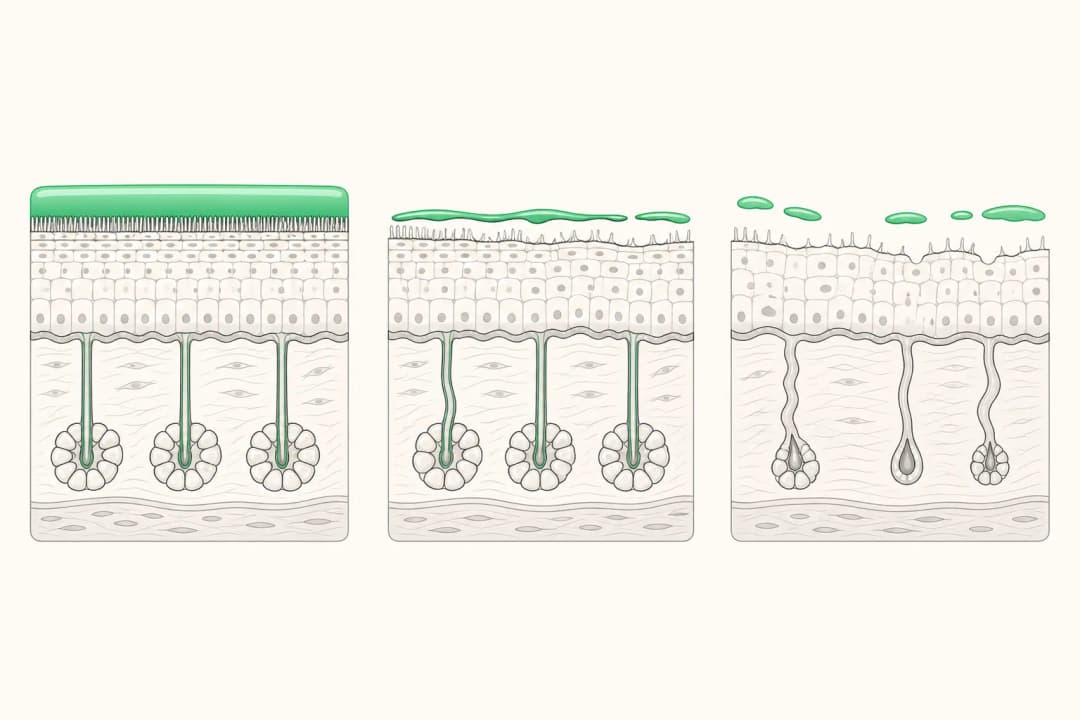
Dry eye can be linked with reduced tear production, faster tear evaporation, eyelid problems, medicines or an irritating environment. The GP may review symptoms, examine the eyes and decide whether you need lubricating drops, treatment for eyelid inflammation or an eye-care referral. Mild irritation may ease after simple changes, while persistent symptoms can need regular treatment and review. Contact-lens use and screen habits can also affect comfort.
Steps after the appointment
Use prescribed or recommended drops as directed and avoid touching the bottle tip to the eye. Take breaks from close screen work, keep smoke and strong air flow away from your face, and consider glasses instead of contact lenses while the eye is irritated. Tell the GP about medicines, allergies, contact-lens use and any one-sided symptoms. Do not use someone else's eye drops.
When to seek urgent eye care
Seek urgent assessment for sudden vision change, severe eye pain, marked light sensitivity, a very red eye, injury, chemical exposure or a stuck foreign body. Get prompt advice if symptoms are worsening, especially when only one eye is affected or you use contact lenses. These features may need more than routine dry-eye care.
Useful questions for your GP
Ask what may be causing the dryness, how often to use treatment, when to expect a review and whether contact lenses should be paused. Check whether another medicine could contribute, which warning symptoms matter, and whether an optometrist or ophthalmologist should assess you.
Find care
General Clinics & Polyclinics in Abu Dhabi
That answer is general. If you want it applied to your own case, these are licensed general clinics & polyclinics listed in Abu Dhabi.
27 Ar Ruwwad St - Shakhbout City - MSH4 - Abu Dhabi - United Arab Emirates
Accepts: Daman, Thiqa, Cigna, MetLife +20 more
Al Ruwais, Al Dhafrah
Accepts: Daman, Thiqa, AXA, Cigna +16 more
Al Bahyah - Al Bahyah Old - Abu Dhabi - United Arab Emirates
Accepts: Daman, Thiqa, Cigna, Allianz Care +18 more
Abu Dhabi
Accepts: Daman, Thiqa, AXA, Cigna +27 more
Ordered by verification status and how complete each clinic's public record is, then alphabetically. This is a directory listing, not a ranking — Zavis does not rate or recommend providers.
A factual listing drawn from the DHA, DOH and MOHAP licence registers. It is not a referral, an endorsement, or advice that any of these providers is right for you.
Questions people ask
Does dry-eye relief start during the GP consultation?
The plan can start during the appointment, but comfort may improve gradually as treatment and eye-care changes take effect.
Can I keep wearing contact lenses?
Ask your GP or eye-care professional; irritated eyes may need a break from lenses until they are comfortable.
Related
Related reading
Keep reading
Medical disclaimer. This page is general health information, not medical advice, and it cannot diagnose you. Always consult a licensed healthcare provider about your own symptoms and treatment. In an emergency in the UAE, call 998 for an ambulance.