
How long does a GP consultation take to work for a diabetic foot ulcer?
Short answer
A GP consultation for a diabetic foot ulcer starts assessment promptly, but wound healing requires ongoing treatment and monitoring.
This answers one question. It is not a diagnosis and does not replace an assessment by a licensed doctor.
At a glance
- Immediate goal
- Assess depth, infection, circulation, and pressure
- Healing depends on
- Wound care, blood flow, pressure relief, and glucose control
What the consultation can do
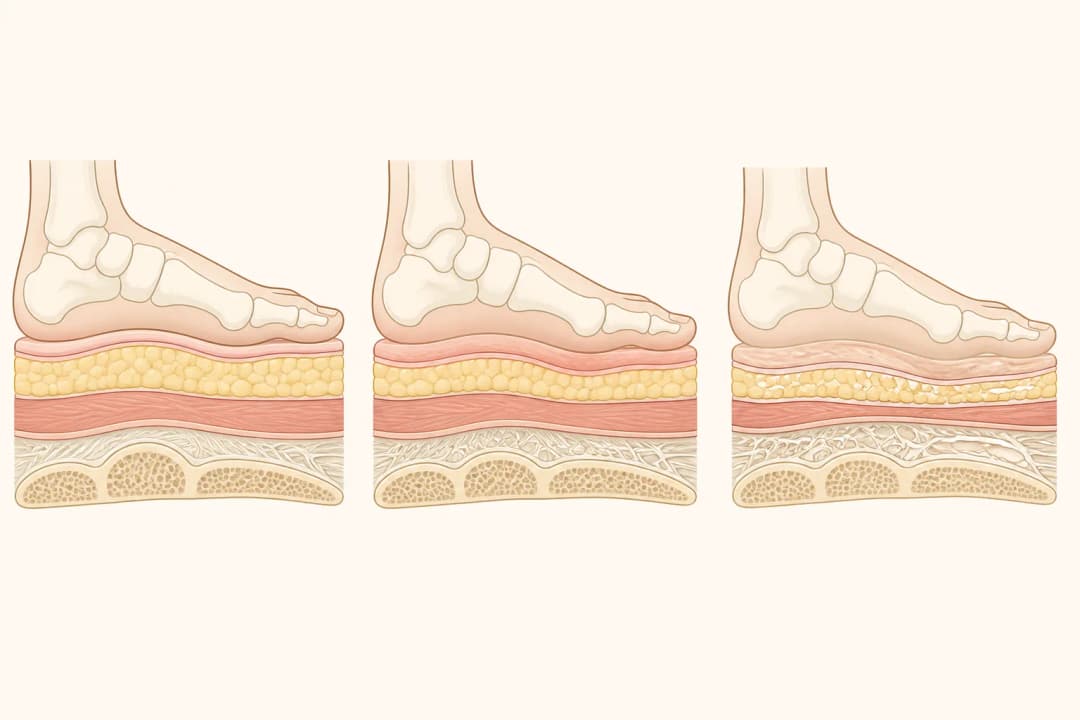
The GP may examine the ulcer’s size, depth, drainage, skin colour, warmth, sensation, and blood supply. They may check glucose management, footwear, pressure on the area, and signs of infection. Treatment can include wound care, pressure relief, medicine when indicated, and referral to a foot or wound-care team.
The appointment does not close the ulcer immediately. Healing may be slowed by infection, reduced circulation, nerve damage, repeated pressure, or difficulty controlling glucose. A small change in appearance can matter, so scheduled reviews and dressing instructions should be followed carefully.
What to do after the appointment
Keep the dressing clean and follow the exact wound-care instructions. Reduce pressure on the affected foot, use recommended footwear or off-loading equipment, and inspect both feet as advised. Do not cut into the ulcer, soak the foot, or remove thickened skin yourself. Arrange the requested review and report increasing pain, drainage, redness, swelling, or colour change.
When to seek urgent care
Seek urgent medical care for spreading redness, rapidly increasing swelling, pus, a foul smell, fever, chills, red streaks, black or blue skin, a cold foot, new loss of sensation, or severe pain. Urgent review is also needed if the wound becomes deeper or the person feels acutely unwell. Diabetes can reduce protective sensation, so visible change may be more reliable than pain alone.
Questions for your doctor
Ask how often the wound needs review, how to keep weight off it, whether circulation or infection needs testing, and which changes require same-day help. Learn about [GP Consultation](/treatments/consultations-and-assessment/gp-consultation/).
Find care
General Clinics & Polyclinics in Abu Dhabi
That answer is general. If you want it applied to your own case, these are licensed general clinics & polyclinics listed in Abu Dhabi.
27 Ar Ruwwad St - Shakhbout City - MSH4 - Abu Dhabi - United Arab Emirates
Accepts: Daman, Thiqa, Cigna, MetLife +20 more
Al Ruwais, Al Dhafrah
Accepts: Daman, Thiqa, AXA, Cigna +16 more
Al Bahyah - Al Bahyah Old - Abu Dhabi - United Arab Emirates
Accepts: Daman, Thiqa, Cigna, Allianz Care +18 more
Abu Dhabi
Accepts: Daman, Thiqa, AXA, Cigna +27 more
Ordered by verification status and how complete each clinic's public record is, then alphabetically. This is a directory listing, not a ranking — Zavis does not rate or recommend providers.
A factual listing drawn from the DHA, DOH and MOHAP licence registers. It is not a referral, an endorsement, or advice that any of these providers is right for you.
Questions people ask
Will one appointment heal the ulcer?
No. It starts a management plan, while healing needs protection, wound care, and repeated monitoring.
Can a painless ulcer still be serious?
Yes. Nerve damage can reduce pain, so changes in colour, drainage, depth, or swelling need attention.
Keep reading
Medical disclaimer. This page is general health information, not medical advice, and it cannot diagnose you. Always consult a licensed healthcare provider about your own symptoms and treatment. In an emergency in the UAE, call 998 for an ambulance.