
How long does antenatal care take to work for hyperemesis gravidarum?
Short answer
Antenatal care has no single time to work for hyperemesis gravidarum; symptom relief depends on treatment, hydration, nutrition, and your response.
This answers one question. It is not a diagnosis and does not replace an assessment by a licensed doctor.
At a glance
- Expected timing
- There is no fixed timetable; response is reviewed as treatment is adjusted.
- What is monitored
- Hydration, nutrition, symptoms, blood results, and fetal wellbeing.
What this means
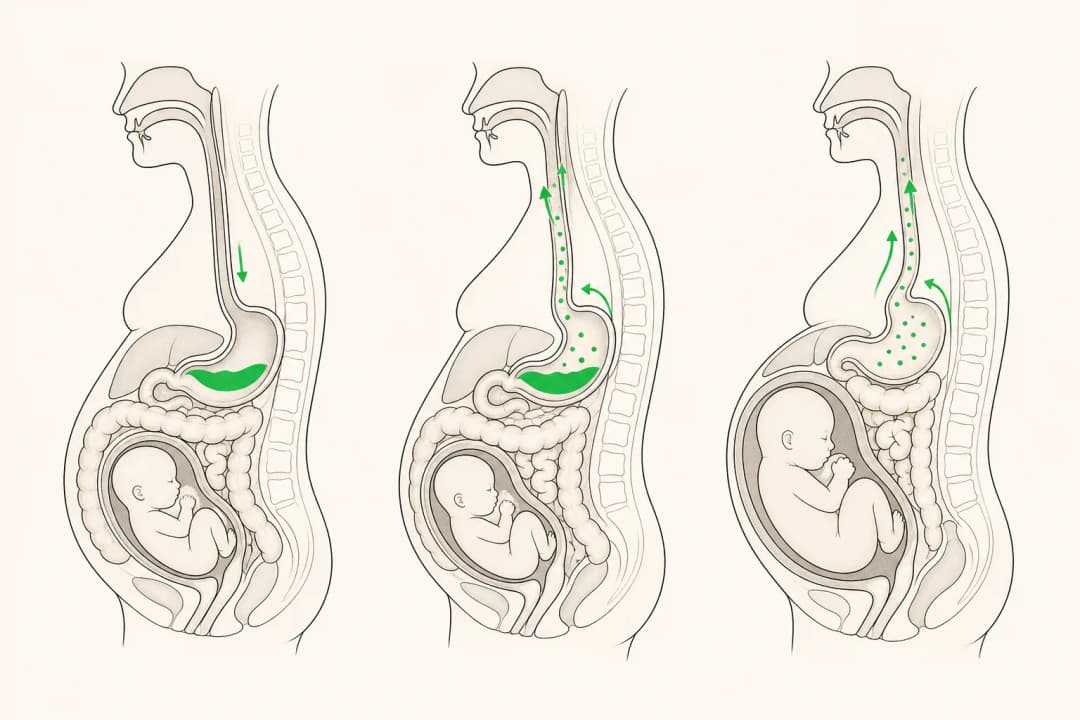
Hyperemesis gravidarum is severe pregnancy sickness that can make keeping fluids, food, or medicines down difficult. An antenatal care package may coordinate reviews, blood tests, anti-sickness treatment, fluids, nutritional support, and checks on your wellbeing and the baby's growth. Some people feel better after initial treatment, while others need repeated assessment or changes to their plan.
Improvement is judged by practical signs such as keeping fluids down, passing urine more normally, and being able to take prescribed medicines. Ongoing vomiting can return even after a better period, so follow-up remains useful.
What to do now
Follow the medicine and hydration instructions provided by your pregnancy team, and report which fluids or foods stay down. Keep scheduled reviews so weight, hydration, blood results, and fetal wellbeing can be considered together. Ask for a written plan covering anti-sickness medicines, nutrition support, and who to contact outside appointment hours. Do not wait for routine care if you cannot keep prescribed treatment or fluids down.
When to seek care
Contact your maternity team urgently if vomiting prevents fluids or medicines, urine becomes very dark or infrequent, you feel faint or confused, or you have severe weakness. Seek urgent assessment for blood in vomit, severe abdominal pain, fever, or reduced fetal movement later in pregnancy. These signs can indicate dehydration or another problem requiring prompt care.
Questions for your doctor or midwife
Ask what improvement should look like for you, when your hydration and blood results will be reviewed, which treatment changes are available, and who to contact if vomiting worsens overnight.
Find care
General Clinics & Polyclinics in Abu Dhabi
That answer is general. If you want it applied to your own case, these are licensed general clinics & polyclinics listed in Abu Dhabi.
27 Ar Ruwwad St - Shakhbout City - MSH4 - Abu Dhabi - United Arab Emirates
Accepts: Daman, Thiqa, Cigna, MetLife +20 more
Al Ruwais, Al Dhafrah
Accepts: Daman, Thiqa, AXA, Cigna +16 more
Al Bahyah - Al Bahyah Old - Abu Dhabi - United Arab Emirates
Accepts: Daman, Thiqa, Cigna, Allianz Care +18 more
Abu Dhabi
Accepts: Daman, Thiqa, AXA, Cigna +27 more
Ordered by verification status and how complete each clinic's public record is, then alphabetically. This is a directory listing, not a ranking — Zavis does not rate or recommend providers.
A factual listing drawn from the DHA, DOH and MOHAP licence registers. It is not a referral, an endorsement, or advice that any of these providers is right for you.
Questions people ask
Does one antenatal appointment stop hyperemesis gravidarum?
Usually, care involves ongoing review because symptoms and hydration can change during pregnancy.
When should I call the maternity team?
Call urgently when you cannot keep fluids or medicines down, feel faint, or pass very little urine.
Related
Related reading
Keep reading
Medical disclaimer. This page is general health information, not medical advice, and it cannot diagnose you. Always consult a licensed healthcare provider about your own symptoms and treatment. In an emergency in the UAE, call 998 for an ambulance.