
How effective is wound care and dressing for diabetic foot ulcer?
Short answer
Wound care and dressing can protect a diabetic foot ulcer and support healing, but they must be combined with pressure relief and regular clinical review.
This answers one question. It is not a diagnosis and does not replace an assessment by a licensed doctor.
At a glance
- Dressing role
- Protects tissue and manages wound fluid
- Essential partner
- Pressure relief with prescribed footwear or equipment
- Daily check
- Inspect both feet for colour, swelling and skin breaks
How the treatment helps
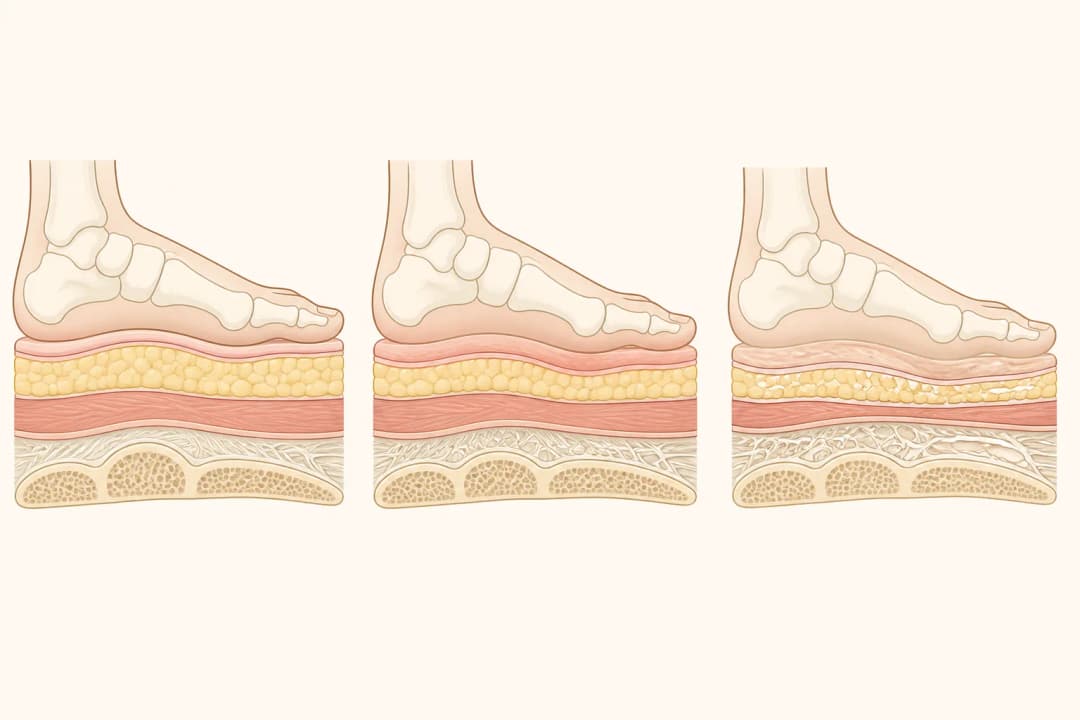
A diabetic foot ulcer is an open area that may heal slowly when sensation, blood flow or glucose control is affected. Cleansing and a suitable dressing manage drainage, protect new tissue and reduce friction from footwear. The dressing does not remove pressure from the ulcer, restore circulation or treat an infection. A foot-care team may need to remove unhealthy tissue, choose offloading footwear, assess pulses and sensation, and review the wound regularly. Avoid judging progress by pain alone because reduced sensation can make a worsening ulcer feel less painful.
Daily foot and dressing care
Follow the dressing plan given by your clinician and wash your hands before and after changing it. Do not soak the foot, walk barefoot or apply creams, powders or strong antiseptics unless advised. Keep weight and pressure off the ulcer using the recommended footwear or device. Inspect both feet every day, including between the toes, with a mirror or help from another person if needed. Keep diabetes medicines and meals consistent with your care plan, and bring the dressing or wound concerns to review rather than trimming tissue yourself.
When to seek care
Contact your diabetes or wound-care team promptly if the ulcer enlarges, becomes deeper, drains more, smells different or develops new surrounding redness, warmth or swelling. Seek urgent help for fever, chills, confusion, severe weakness, black or grey tissue, sudden colour change, a cold foot or rapidly spreading redness. New swelling or a break in the skin deserves attention even when there is little pain.
Questions for your doctor
Ask how often the wound needs review, which dressing is appropriate, how to offload pressure and whether circulation or infection needs assessment. Ask which changes mean you should call the team the same day.
Find care
General Clinics & Polyclinics in Abu Dhabi
That answer is general. If you want it applied to your own case, these are licensed general clinics & polyclinics listed in Abu Dhabi.
27 Ar Ruwwad St - Shakhbout City - MSH4 - Abu Dhabi - United Arab Emirates
Accepts: Daman, Thiqa, Cigna, MetLife +20 more
Al Ruwais, Al Dhafrah
Accepts: Daman, Thiqa, AXA, Cigna +16 more
Al Bahyah - Al Bahyah Old - Abu Dhabi - United Arab Emirates
Accepts: Daman, Thiqa, Cigna, Allianz Care +18 more
Abu Dhabi
Accepts: Daman, Thiqa, AXA, Cigna +27 more
Ordered by verification status and how complete each clinic's public record is, then alphabetically. This is a directory listing, not a ranking — Zavis does not rate or recommend providers.
A factual listing drawn from the DHA, DOH and MOHAP licence registers. It is not a referral, an endorsement, or advice that any of these providers is right for you.
Questions people ask
Can dressing alone heal a diabetic foot ulcer?
No. Dressing is one part of care; pressure relief, diabetes management and clinical assessment are also needed.
Can a diabetic foot ulcer worsen without pain?
Yes. Reduced sensation can limit pain, so changes in size, drainage, colour, warmth or swelling need attention even when the foot feels comfortable.
Related
Related reading
Keep reading
Medical disclaimer. This page is general health information, not medical advice, and it cannot diagnose you. Always consult a licensed healthcare provider about your own symptoms and treatment. In an emergency in the UAE, call 998 for an ambulance.