
How effective is operative hysteroscopy for recurrent miscarriage?
Short answer
Operative hysteroscopy may help when a treatable uterine abnormality is present, but it cannot prevent every miscarriage.
This answers one question. It is not a diagnosis and does not replace an assessment by a licensed doctor.
At a glance
- Purpose
- Treat a selected cavity abnormality
- Limits
- Does not address every cause of miscarriage
- Planning
- Recovery and pregnancy timing need individual advice
What it can address
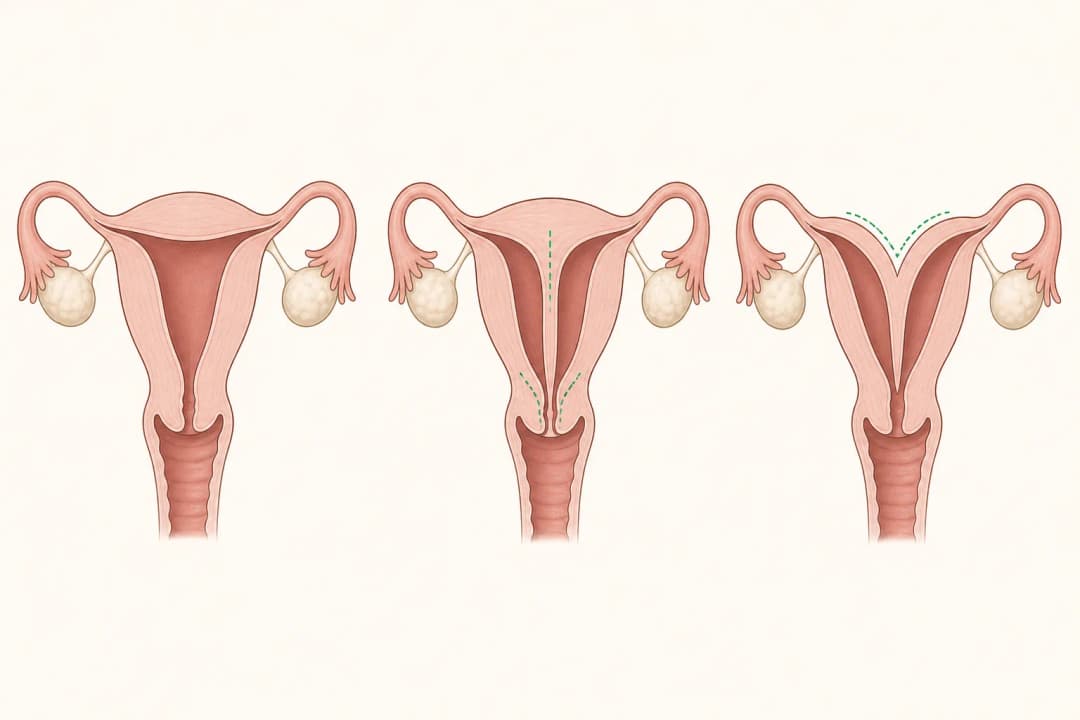
Recurrent miscarriage can have several possible explanations. Operative hysteroscopy allows a surgeon to look inside the uterine cavity and correct selected findings, such as a polyp, a cavity-distorting fibroid, scar tissue, or a uterine septum. It is useful only when the finding is suitable for hysteroscopic treatment.
Removing or dividing an abnormality may create a more suitable cavity, yet it does not address chromosome-related causes, clotting conditions, hormonal problems, or every factor affecting pregnancy. A complete evaluation remains necessary even when the uterus looks normal.
Preparing for treatment
Ask which uterine finding was identified and how confidently it explains your history. Discuss whether imaging is needed before surgery, what will be treated during the procedure, and how healing will be checked. Your clinician can also outline when to try for pregnancy again and whether early pregnancy monitoring is appropriate.
Bring records of previous pregnancies, scans, and procedures. Follow instructions about medicines, fasting, and avoiding vaginal intercourse or tampons during the recovery period.
When to seek care
After hysteroscopy, seek prompt care for heavy bleeding, severe or increasing pain, fever, fainting, breathing difficulty, or foul-smelling discharge. These symptoms need assessment for bleeding, infection, or another procedure-related problem.
During a later pregnancy, contact your maternity team for bleeding, severe pain, fluid loss, or feeling acutely unwell. Those symptoms require pregnancy assessment and do not by themselves identify the cause of a previous miscarriage.
Questions for your doctor
Ask: What abnormality did the scan show? Is hysteroscopy expected to improve the uterine cavity or investigate it? Are other recurrent-miscarriage tests needed? How long should healing take, and what monitoring will be offered in a future pregnancy?
Find care
General Clinics & Polyclinics in Abu Dhabi
That answer is general. If you want it applied to your own case, these are licensed general clinics & polyclinics listed in Abu Dhabi.
27 Ar Ruwwad St - Shakhbout City - MSH4 - Abu Dhabi - United Arab Emirates
Accepts: Daman, Thiqa, Cigna, MetLife +20 more
Al Ruwais, Al Dhafrah
Accepts: Daman, Thiqa, AXA, Cigna +16 more
Al Bahyah - Al Bahyah Old - Abu Dhabi - United Arab Emirates
Accepts: Daman, Thiqa, Cigna, Allianz Care +18 more
Abu Dhabi
Accepts: Daman, Thiqa, AXA, Cigna +27 more
Ordered by verification status and how complete each clinic's public record is, then alphabetically. This is a directory listing, not a ranking — Zavis does not rate or recommend providers.
A factual listing drawn from the DHA, DOH and MOHAP licence registers. It is not a referral, an endorsement, or advice that any of these providers is right for you.
Questions people ask
Is operative hysteroscopy used for every case of recurrent miscarriage?
No. It is considered when examination or imaging identifies a uterine-cavity finding that can be treated or clarified.
Can hysteroscopy guarantee a future pregnancy?
No. It may correct one contributing factor, while pregnancy outcomes can be influenced by several other factors.
Related
Related reading
Keep reading
Medical disclaimer. This page is general health information, not medical advice, and it cannot diagnose you. Always consult a licensed healthcare provider about your own symptoms and treatment. In an emergency in the UAE, call 998 for an ambulance.