
How effective is fetal heart monitoring for fetal growth restriction?
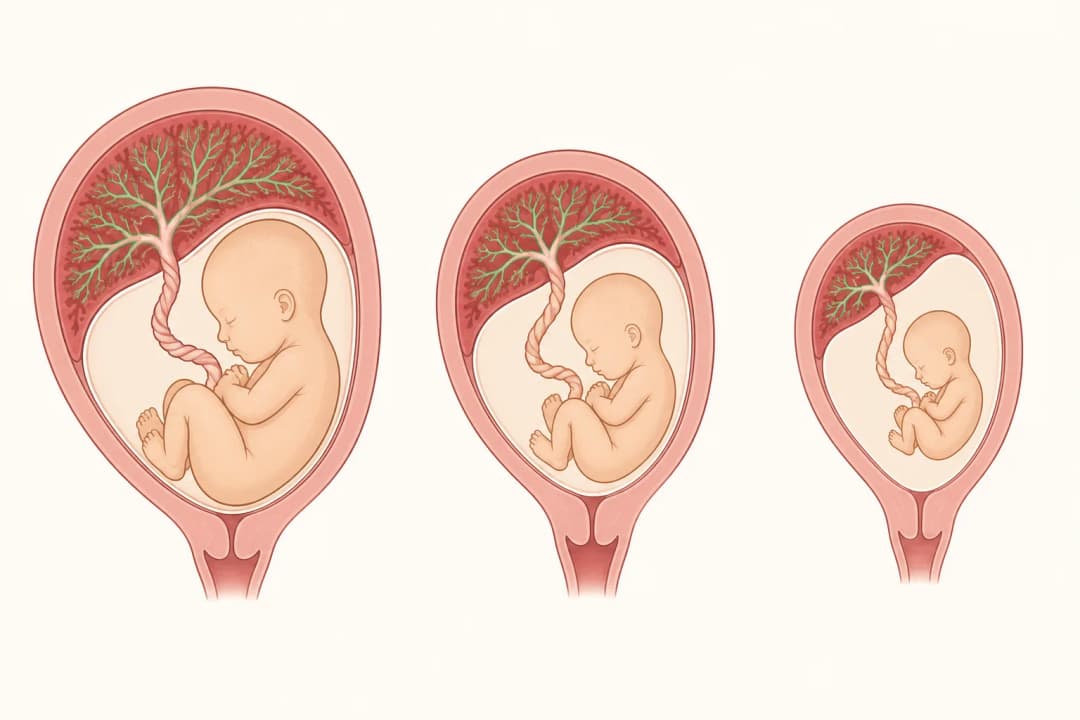
Short answer
Fetal heart monitoring can show how well a baby is tolerating pregnancy when growth restriction is present, but it cannot measure growth or predict every outcome on its own.
This answers one question. It is not a diagnosis and does not replace an assessment by a licensed doctor.
At a glance
- Main role
- Assesses fetal wellbeing at the time of monitoring.
- Main limit
- Does not measure fetal size or explain every cause of restricted growth.
What the monitoring can tell you
The test records the baby’s heart rate, its pattern over time, and changes linked with movement or contractions. Clinicians use these signals to look for reassurance that the placenta is supplying the baby adequately at that moment. A result is interpreted alongside ultrasound measurements, blood-flow studies, fluid assessment, gestational age, and your health. A reassuring tracing is useful information, not a promise that growth will catch up.
What to do next
Attend the monitoring visits and ultrasound appointments recommended by your maternity team. Keep track of the baby’s usual movements and report a clear reduction promptly. Ask which result would change the plan, how often monitoring is needed, and whether delivery might be advised if the tracing, growth, fluid, or blood flow becomes concerning. Do not alter medicines or activity without individual guidance.
When to seek urgent care
Contact your maternity unit urgently if your baby’s movements are noticeably reduced or absent, or if you have vaginal bleeding, leaking fluid, painful regular contractions, severe abdominal pain, a severe headache, visual changes, or sudden swelling. These symptoms need assessment regardless of a previous reassuring monitor result.
Questions for your doctor
Ask how the tracing looks, what the ultrasound and placental blood-flow findings show, and which changes would mean closer observation or birth. You can also ask how to count movements in your situation and who to call outside clinic hours.
Find care
General Clinics & Polyclinics in Abu Dhabi
That answer is general. If you want it applied to your own case, these are licensed general clinics & polyclinics listed in Abu Dhabi.
27 Ar Ruwwad St - Shakhbout City - MSH4 - Abu Dhabi - United Arab Emirates
Accepts: Daman, Thiqa, Cigna, MetLife +20 more
Al Ruwais, Al Dhafrah
Accepts: Daman, Thiqa, AXA, Cigna +16 more
Al Bahyah - Al Bahyah Old - Abu Dhabi - United Arab Emirates
Accepts: Daman, Thiqa, Cigna, Allianz Care +18 more
Abu Dhabi
Accepts: Daman, Thiqa, AXA, Cigna +27 more
Ordered by verification status and how complete each clinic's public record is, then alphabetically. This is a directory listing, not a ranking — Zavis does not rate or recommend providers.
A factual listing drawn from the DHA, DOH and MOHAP licence registers. It is not a referral, an endorsement, or advice that any of these providers is right for you.
Questions people ask
Can monitoring treat fetal growth restriction?
No. It provides information about fetal wellbeing so the team can adjust surveillance or discuss timing of birth.
Is one reassuring tracing enough?
No. Growth restriction can change over time, so clinicians may combine repeated monitoring with ultrasound and blood-flow assessment.
Related
Related reading
Keep reading
Medical disclaimer. This page is general health information, not medical advice, and it cannot diagnose you. Always consult a licensed healthcare provider about your own symptoms and treatment. In an emergency in the UAE, call 998 for an ambulance.