
How common is visible deformity after injury in clavicle fracture?
Short answer
Visible Deformity After Injury is a common presentation of Clavicle Fracture. A new bump or uneven shoulder contour should be assessed rather than pushed back into place.
This answers one question. It is not a diagnosis and does not replace an assessment by a licensed doctor.
At a glance
- Presentation
- Common with clavicle fracture
- Protect the arm
- Support it and avoid lifting
- Urgent signs
- Colour change, numbness, breathing difficulty, or broken skin
Why the shoulder may look different
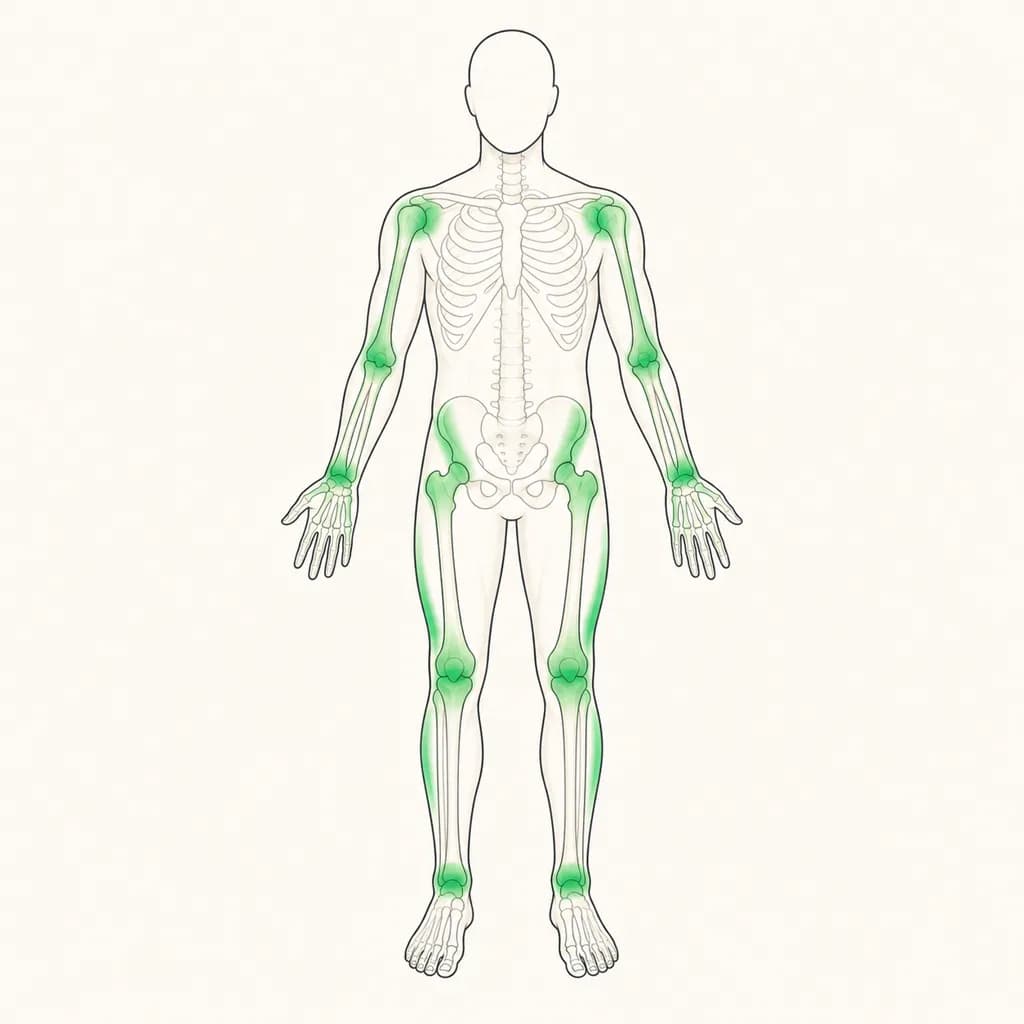
The clavicle lies just beneath the skin, so a break can produce a visible bump, a dip, or a shoulder that appears lower or farther forward. Bruising and swelling may make the contour more noticeable. The shape does not show the full extent of the injury, so a clinical examination and shoulder X-ray are useful.
Keep the arm supported in a comfortable sling position if one is available. Avoid lifting, pushing, pulling, or repeatedly checking the bump, since movement can increase pain and disturb the injured area.
Practical steps after the injury
Seek prompt assessment for a visible change after a fall, blow, or sports injury. Support the forearm across the body, apply a wrapped cold pack around—not directly over—the tender area, and keep clothing loose. Do not attempt to straighten the shoulder or press the bone into place.
The clinician may examine the skin, circulation, sensation, and arm movement before imaging. Management may use a sling, pain relief, activity limits, and follow-up. A prominent bump can remain as the bone heals, but the treating team should explain what is expected for your fracture.
Warning signs needing urgent help
Get emergency care if the skin over the clavicle is broken or stretched tightly, the hand becomes pale, blue, cold, or numb, or the arm suddenly becomes difficult to move. Breathing difficulty, chest pain, or trouble swallowing after the injury also needs immediate attention.
Without these signs, arrange a same-day or prompt evaluation for visible deformity. Keep the arm supported while travelling and avoid carrying bags on that side.
Useful questions at the visit
Ask where the fracture is, whether the pieces are aligned, and how the skin and nearby nerves are doing. Ask how to wear the sling, which arm movements are allowed, when driving or work may be safe, and what follow-up or physiotherapy will be needed.
Find care
General Clinics & Polyclinics in Abu Dhabi
That answer is general. If you want it applied to your own case, these are licensed general clinics & polyclinics listed in Abu Dhabi.
27 Ar Ruwwad St - Shakhbout City - MSH4 - Abu Dhabi - United Arab Emirates
Accepts: Daman, Thiqa, Cigna, MetLife +20 more
Al Ruwais, Al Dhafrah
Accepts: Daman, Thiqa, AXA, Cigna +16 more
Al Bahyah - Al Bahyah Old - Abu Dhabi - United Arab Emirates
Accepts: Daman, Thiqa, Cigna, Allianz Care +18 more
Abu Dhabi
Accepts: Daman, Thiqa, AXA, Cigna +27 more
Ordered by verification status and how complete each clinic's public record is, then alphabetically. This is a directory listing, not a ranking — Zavis does not rate or recommend providers.
A factual listing drawn from the DHA, DOH and MOHAP licence registers. It is not a referral, an endorsement, or advice that any of these providers is right for you.
Questions people ask
Will a clavicle bump always disappear?
Not necessarily. A contour change can remain after healing, but your clinician can distinguish an expected healing shape from ongoing displacement or another problem.
Can I put the shoulder back myself?
No. Do not push or pull the shoulder into position; support the arm and obtain medical assessment.
Keep reading
Medical disclaimer. This page is general health information, not medical advice, and it cannot diagnose you. Always consult a licensed healthcare provider about your own symptoms and treatment. In an emergency in the UAE, call 998 for an ambulance.