
How common are reduced baby movements in oligohydramnios?
Short answer
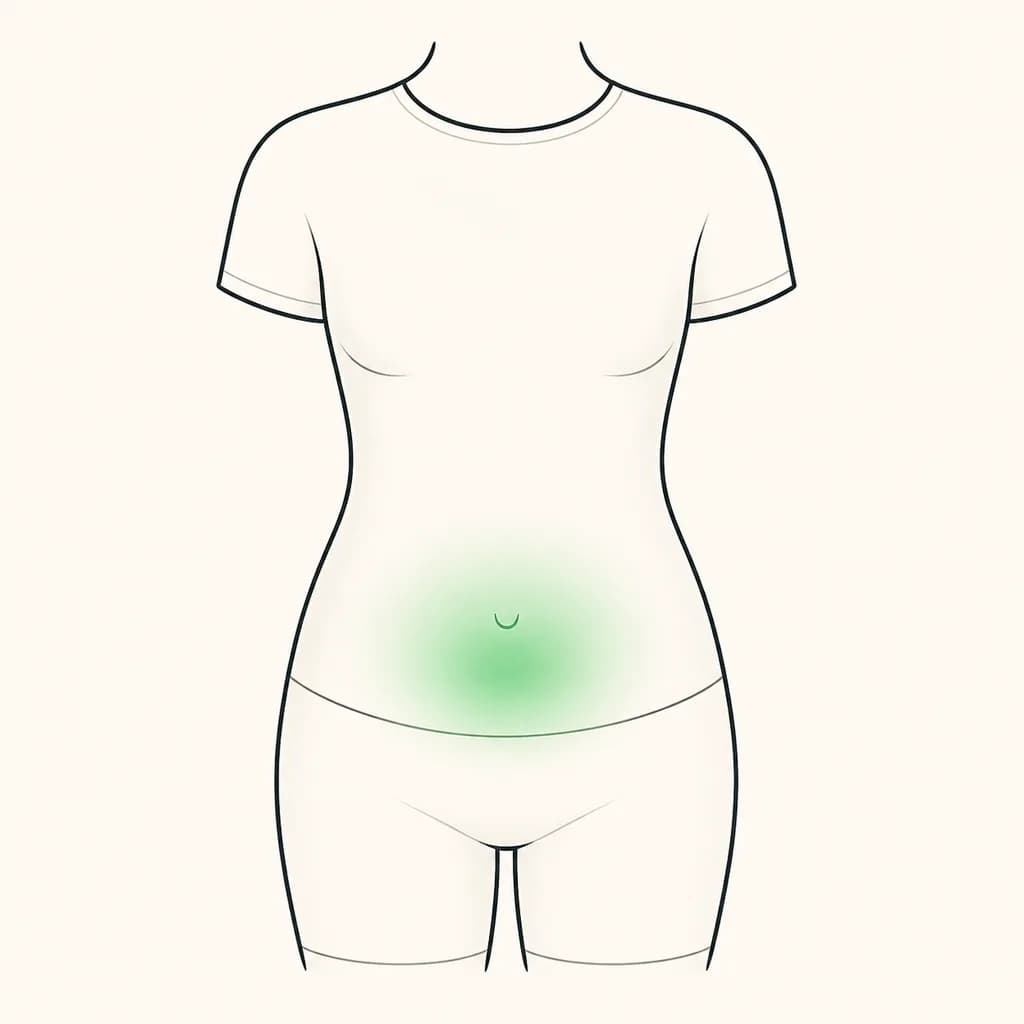
Reduced Baby Movements is a common presentation of Oligohydramnios, and a change from your baby's usual pattern should be assessed promptly by maternity staff.
This answers one question. It is not a diagnosis and does not replace an assessment by a licensed doctor.
At a glance
- Association
- Reduced baby movements are a common presentation of oligohydramnios.
- Fluid concern
- A gush or ongoing trickle of fluid needs prompt maternity advice.
- Assessment
- Maternity checks may include heart-rate monitoring and ultrasound.
What this can mean
Oligohydramnios means there is less amniotic fluid than expected for the stage of pregnancy. Amniotic fluid cushions the baby and allows room for movement. With less fluid, movement may feel reduced or different, and the finding can occur alongside concerns about placental function, fluid loss, or the baby's kidneys and urinary tract. The cause and significance depend on the pregnancy stage and the wider assessment.
The association means that oligohydramnios commonly presents with reduced baby movements. It does not mean that reduced movements establish oligohydramnios. A clinician may check for fluid leakage, assess the baby's heart rate, and use ultrasound to measure fluid and review growth, position, and wellbeing.
What to do now
Call your maternity unit promptly if your baby's movements are less frequent, weaker, or unlike the usual pattern. Explain when the change began and whether you have fluid leakage, bleeding, pain, or contractions. Do not depend on drinking water, eating something sweet, or using a home Doppler to decide that assessment is unnecessary. Your maternity team can tell you where to attend and what checks are needed.
When to seek urgent care
Seek urgent maternity care if you cannot feel movement, movement remains reduced, or you notice a gush or ongoing trickle of fluid. Go urgently as well for vaginal bleeding, regular painful contractions, severe abdominal pain, fever, severe headache, visual changes, or feeling seriously unwell. If your maternity service is unavailable, attend the nearest emergency department.
Questions for your doctor
Ask what may be causing the low fluid, how it will be measured, and how often the baby's growth and wellbeing should be checked. Ask what signs of fluid leakage or movement change require immediate contact, whether you need activity guidance, and who to call after hours.
Find care
General Clinics & Polyclinics in Abu Dhabi
That answer is general. If you want it applied to your own case, these are licensed general clinics & polyclinics listed in Abu Dhabi.
27 Ar Ruwwad St - Shakhbout City - MSH4 - Abu Dhabi - United Arab Emirates
Accepts: Daman, Thiqa, Cigna, MetLife +20 more
Al Ruwais, Al Dhafrah
Accepts: Daman, Thiqa, AXA, Cigna +16 more
Al Bahyah - Al Bahyah Old - Abu Dhabi - United Arab Emirates
Accepts: Daman, Thiqa, Cigna, Allianz Care +18 more
Abu Dhabi
Accepts: Daman, Thiqa, AXA, Cigna +27 more
Ordered by verification status and how complete each clinic's public record is, then alphabetically. This is a directory listing, not a ranking — Zavis does not rate or recommend providers.
A factual listing drawn from the DHA, DOH and MOHAP licence registers. It is not a referral, an endorsement, or advice that any of these providers is right for you.
Questions people ask
Do reduced baby movements prove that I have oligohydramnios?
No. Reduced movement has several possible explanations. Oligohydramnios commonly presents with reduced movements, but the symptom alone cannot diagnose low amniotic fluid.
Can I check the baby's wellbeing at home?
Home measures cannot replace maternity assessment for a change in movement. Contact your maternity unit promptly, especially if movement is absent or fluid is leaking.
Medical disclaimer. This page is general health information, not medical advice, and it cannot diagnose you. Always consult a licensed healthcare provider about your own symptoms and treatment. In an emergency in the UAE, call 998 for an ambulance.