
How common is a non-healing sore in squamous cell carcinoma?
Short answer
Sore That Will Not Heal is a common presentation of Squamous Cell Carcinoma in affected skin.
This answers one question. It is not a diagnosis and does not replace an assessment by a licensed doctor.
At a glance
- Presentation
- Common with Squamous Cell Carcinoma
- Possible appearance
- Rough patch, firm growth, or crusting sore
- Confirmation
- Examination and, when indicated, biopsy
What the sore may indicate
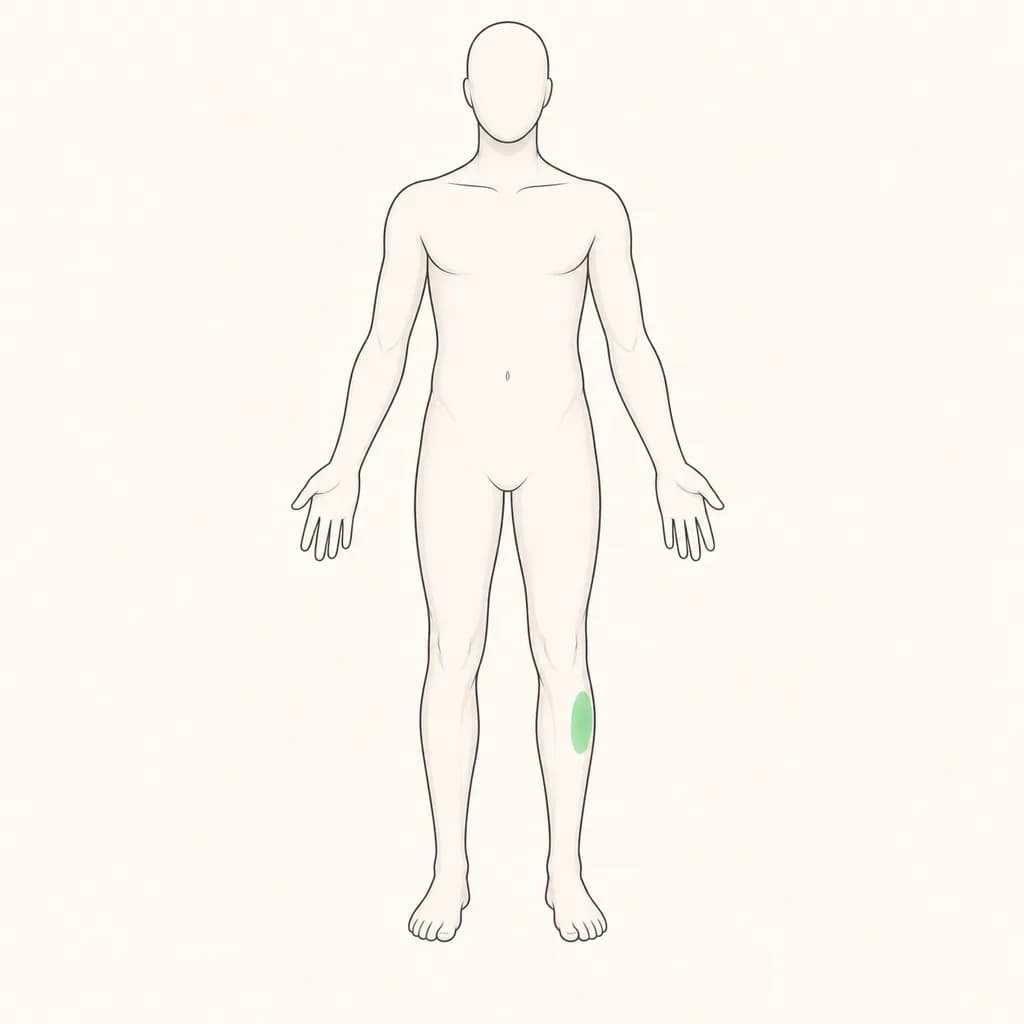
Squamous cell carcinoma can appear as a rough or scaly patch, a firm growth, or an open sore that crusts, bleeds, and fails to settle. It may be tender, particularly when rubbed, and often occurs on sun-exposed skin, including the face, ears, scalp, hands, and lower legs.
This means the condition often presents with the symptom; it does not mean that every non-healing sore is squamous cell carcinoma. Irritation, infection, ulcers, and other growths may produce a similar appearance and require different care.
Steps to take
Book a dermatology review when a sore persists, repeatedly crusts, or changes in size, texture, or colour. A clinician may examine nearby skin and suggest a biopsy when needed. Keep the site clean and covered if it catches on clothing, and avoid applying harsh products or removing the scab.
Before the appointment, note its location, onset, symptoms, and any previous treatment. Tell the clinician about substantial sun exposure, immune suppression, or an earlier skin cancer if relevant to you.
When to seek care promptly
Seek prompt assessment for repeated bleeding, increasing pain, pus, spreading redness, rapid growth, or a sore on the lip, ear, eyelid, or genitals. Urgent help is warranted for bleeding that will not stop with steady pressure.
Questions worth asking
Ask whether the sore needs a biopsy, what treatment options fit its site and depth, and how the surrounding skin should be protected. Ask what follow-up is needed after treatment and which new changes should be checked.
Find care
General Clinics & Polyclinics in Abu Dhabi
That answer is general. If you want it applied to your own case, these are licensed general clinics & polyclinics listed in Abu Dhabi.
27 Ar Ruwwad St - Shakhbout City - MSH4 - Abu Dhabi - United Arab Emirates
Accepts: Daman, Thiqa, Cigna, MetLife +20 more
Al Ruwais, Al Dhafrah
Accepts: Daman, Thiqa, AXA, Cigna +16 more
Al Bahyah - Al Bahyah Old - Abu Dhabi - United Arab Emirates
Accepts: Daman, Thiqa, Cigna, Allianz Care +18 more
Abu Dhabi
Accepts: Daman, Thiqa, AXA, Cigna +27 more
Ordered by verification status and how complete each clinic's public record is, then alphabetically. This is a directory listing, not a ranking — Zavis does not rate or recommend providers.
A factual listing drawn from the DHA, DOH and MOHAP licence registers. It is not a referral, an endorsement, or advice that any of these providers is right for you.
Questions people ask
Does pain tell you whether a sore is cancerous?
No. Skin cancers may be painful or painless, and pain alone cannot identify the cause.
Why should a recurring crust be checked?
Repeated crusting or bleeding can signal ongoing abnormal skin change, even when the area temporarily looks better.
Related
Related reading
Keep reading
Medical disclaimer. This page is general health information, not medical advice, and it cannot diagnose you. Always consult a licensed healthcare provider about your own symptoms and treatment. In an emergency in the UAE, call 998 for an ambulance.