
How common is nipple discharge in duct ectasia?
Short answer
Nipple Discharge is a common presentation of Duct Ectasia, a non-cancerous change in a milk duct.
This answers one question. It is not a diagnosis and does not replace an assessment by a licensed doctor.
At a glance
- Typical mechanism
- A widened or irritated milk duct can release fluid.
- Useful record
- Note the side, colour, thickness, and spontaneous episodes.
The short answer
Nipple Discharge is a common presentation of Duct Ectasia, a non-cancerous change in a milk duct. The duct can widen, collect fluid, and become irritated, producing discharge from the nipple.
What duct ectasia can cause
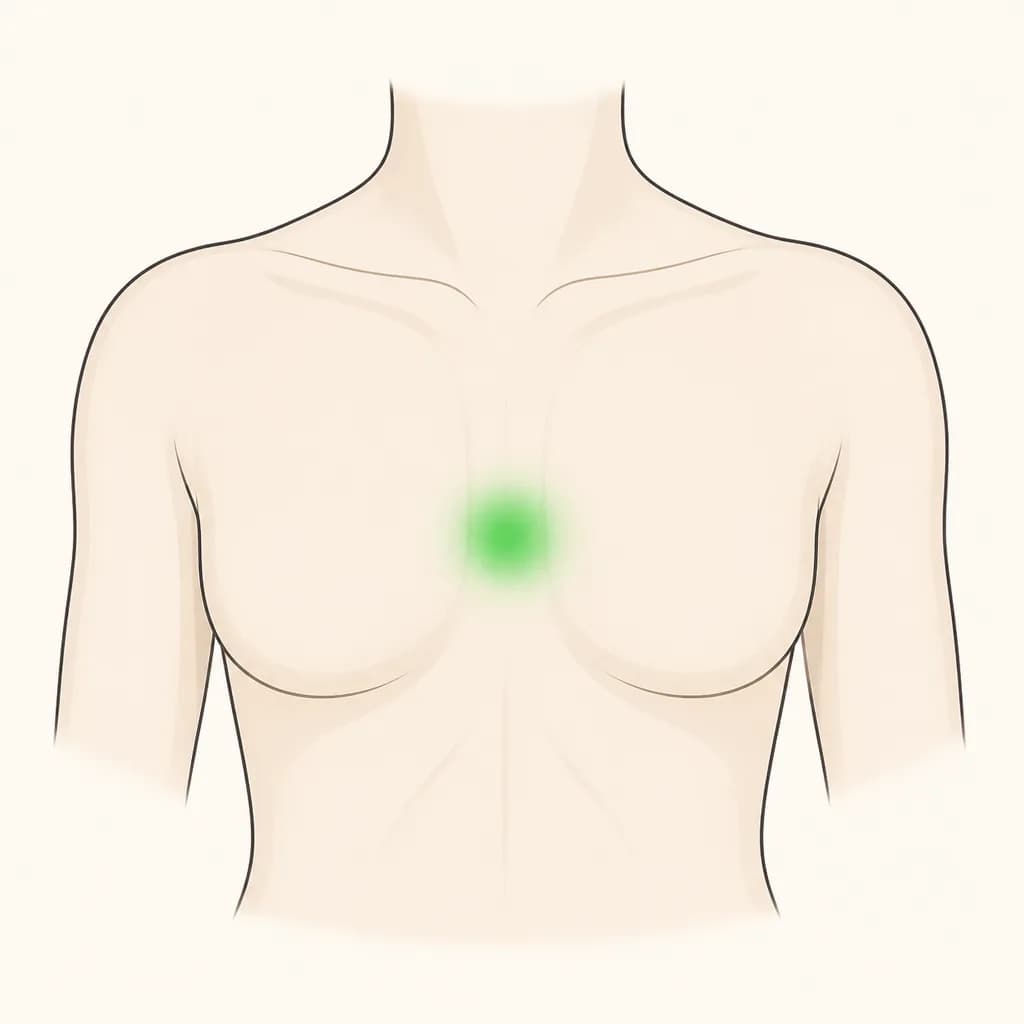
Duct ectasia may cause thick or sticky discharge that can look green, yellow, brown, or white. It may affect one or both nipples and can occur with tenderness, a small lump behind the nipple, or nipple irritation. The discharge may appear without squeezing, or after pressure on the area.
Because similar discharge can occur with other breast conditions, the appearance does not prove duct ectasia. A clinician may examine the breast and decide whether imaging is needed, particularly when the discharge is new or one-sided.
Practical next steps
Book a routine appointment if discharge persists, recurs, or is new for you. Record its colour, thickness, side, and whether it appears on its own. Keep the nipple area clean and dry, and avoid frequent squeezing. A supportive bra and a warm compress may ease local discomfort, but they do not replace an assessment when symptoms continue.
When to seek care promptly
Seek prompt care for blood-stained or clear discharge from one nipple, a new lump, nipple inversion, marked redness, fever, or increasing pain and swelling. Fever with a hot, tender breast can suggest infection and may need treatment. Urgent review is also sensible if discharge is accompanied by a rapidly changing breast appearance.
Questions for your doctor
Ask whether the pattern fits duct ectasia, whether you need imaging, and how to manage irritation or tenderness. Tell the clinician about pregnancy, breastfeeding, recent breast procedures, medicines, and any family history that may affect the assessment.
Find care
General Clinics & Polyclinics in Abu Dhabi
That answer is general. If you want it applied to your own case, these are licensed general clinics & polyclinics listed in Abu Dhabi.
27 Ar Ruwwad St - Shakhbout City - MSH4 - Abu Dhabi - United Arab Emirates
Accepts: Daman, Thiqa, Cigna, MetLife +20 more
Al Ruwais, Al Dhafrah
Accepts: Daman, Thiqa, AXA, Cigna +16 more
Al Bahyah - Al Bahyah Old - Abu Dhabi - United Arab Emirates
Accepts: Daman, Thiqa, Cigna, Allianz Care +18 more
Abu Dhabi
Accepts: Daman, Thiqa, AXA, Cigna +27 more
Ordered by verification status and how complete each clinic's public record is, then alphabetically. This is a directory listing, not a ranking — Zavis does not rate or recommend providers.
A factual listing drawn from the DHA, DOH and MOHAP licence registers. It is not a referral, an endorsement, or advice that any of these providers is right for you.
Questions people ask
Is duct ectasia cancer?
Duct ectasia is a non-cancerous duct change, but new discharge still deserves assessment when its pattern is unusual or persistent.
Can duct ectasia affect both breasts?
It can affect one or both breasts. The side and whether discharge appears spontaneously are useful details for a clinician.
Keep reading
Medical disclaimer. This page is general health information, not medical advice, and it cannot diagnose you. Always consult a licensed healthcare provider about your own symptoms and treatment. In an emergency in the UAE, call 998 for an ambulance.