
How common is leaking urine in pelvic floor dysfunction?
Short answer
Leaking urine is a common presentation of pelvic floor dysfunction, when the muscles cannot coordinate pressure and bladder control effectively.
This answers one question. It is not a diagnosis and does not replace an assessment by a licensed doctor.
At a glance
- Leakage triggers
- Coughing, sneezing, lifting, running, or urgency may bring it on.
- Assessment focus
- Strength, relaxation, timing, and coordination may be reviewed.
- Avoid guessing
- Pelvic floor exercises should match the muscle pattern.
What pelvic floor dysfunction can involve
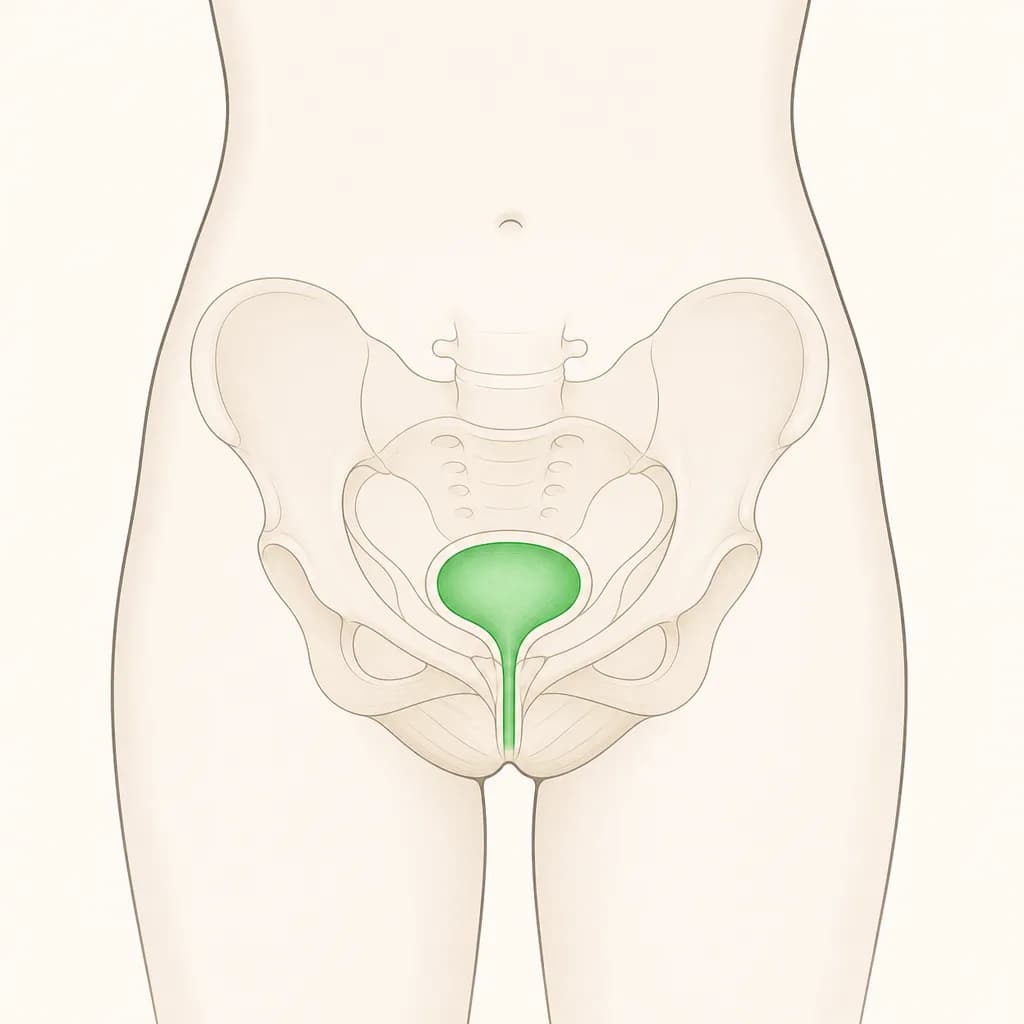
The pelvic floor supports the bladder, bowel, and reproductive organs. Weakness or poor timing can allow urine to escape with coughing, sneezing, lifting, running, or a sudden urge. Muscles that are overly tight or difficult to relax can also affect emptying and create urgency or discomfort. Pregnancy, childbirth, surgery, constipation, repeated straining, and changes in activity can contribute, although the cause differs between people.
Assessment usually covers when leakage occurs, bowel symptoms, pelvic pain, childbirth history, operations, and daily activities. A clinician or pelvic health physiotherapist may check movement, strength, relaxation, and coordination, with your consent and in a private setting.
Practical next steps
Notice whether leakage follows effort, urgency, or both, and record triggers for a few days. Avoid straining during bowel movements, address constipation, and use lifting technique that lets you breathe normally. Pelvic floor exercises can help some patterns, but squeezing harder is not suitable for every person, especially when muscles are tight or painful.
A pelvic health physiotherapist can tailor strengthening, relaxation, breathing, and coordination work. Improvement may require regular practice and review, so ask how to perform exercises correctly before increasing them.
When to seek care promptly
Seek prompt medical review for leakage with blood in the urine, burning, fever, new weakness or numbness, severe pelvic pain, or difficulty emptying your bladder. Urgent assessment is needed if you cannot pass urine or develop sudden loss of bowel or bladder control with leg weakness or numbness.
Questions for your doctor
Ask whether your symptoms suggest weakness, poor coordination, or muscle overactivity, and whether pelvic health physiotherapy is appropriate. Ask how to exercise safely, what improvement to track, and when another cause should be investigated.
Find care
General Clinics & Polyclinics in Abu Dhabi
That answer is general. If you want it applied to your own case, these are licensed general clinics & polyclinics listed in Abu Dhabi.
27 Ar Ruwwad St - Shakhbout City - MSH4 - Abu Dhabi - United Arab Emirates
Accepts: Daman, Thiqa, Cigna, MetLife +20 more
Al Ruwais, Al Dhafrah
Accepts: Daman, Thiqa, AXA, Cigna +16 more
Al Bahyah - Al Bahyah Old - Abu Dhabi - United Arab Emirates
Accepts: Daman, Thiqa, Cigna, Allianz Care +18 more
Abu Dhabi
Accepts: Daman, Thiqa, AXA, Cigna +27 more
Ordered by verification status and how complete each clinic's public record is, then alphabetically. This is a directory listing, not a ranking — Zavis does not rate or recommend providers.
A factual listing drawn from the DHA, DOH and MOHAP licence registers. It is not a referral, an endorsement, or advice that any of these providers is right for you.
Questions people ask
Is leaking urine a common presentation of pelvic floor dysfunction?
Yes. Leakage can occur when pelvic floor muscles do not support or coordinate bladder control well, although other causes are also possible.
Can pelvic floor exercises make symptoms worse?
They may be unhelpful when muscles are already tight or painful. A pelvic health assessment can guide strengthening or relaxation work.
Related
Related reading
Keep reading
Medical disclaimer. This page is general health information, not medical advice, and it cannot diagnose you. Always consult a licensed healthcare provider about your own symptoms and treatment. In an emergency in the UAE, call 998 for an ambulance.