
How common is jaundice in G6PD deficiency?
Short answer
Jaundice is a common presentation of G6PD Deficiency when red blood cells break down faster than the body can replace them.
This answers one question. It is not a diagnosis and does not replace an assessment by a licensed doctor.
At a glance
- Association
- Jaundice is a common presentation of G6PD deficiency.
- Trigger pattern
- Infections, certain medicines, and fava beans can trigger red-cell breakdown.
- Emergency signs
- Breathlessness, fainting, confusion, or very dark urine need urgent help.
Why it happens
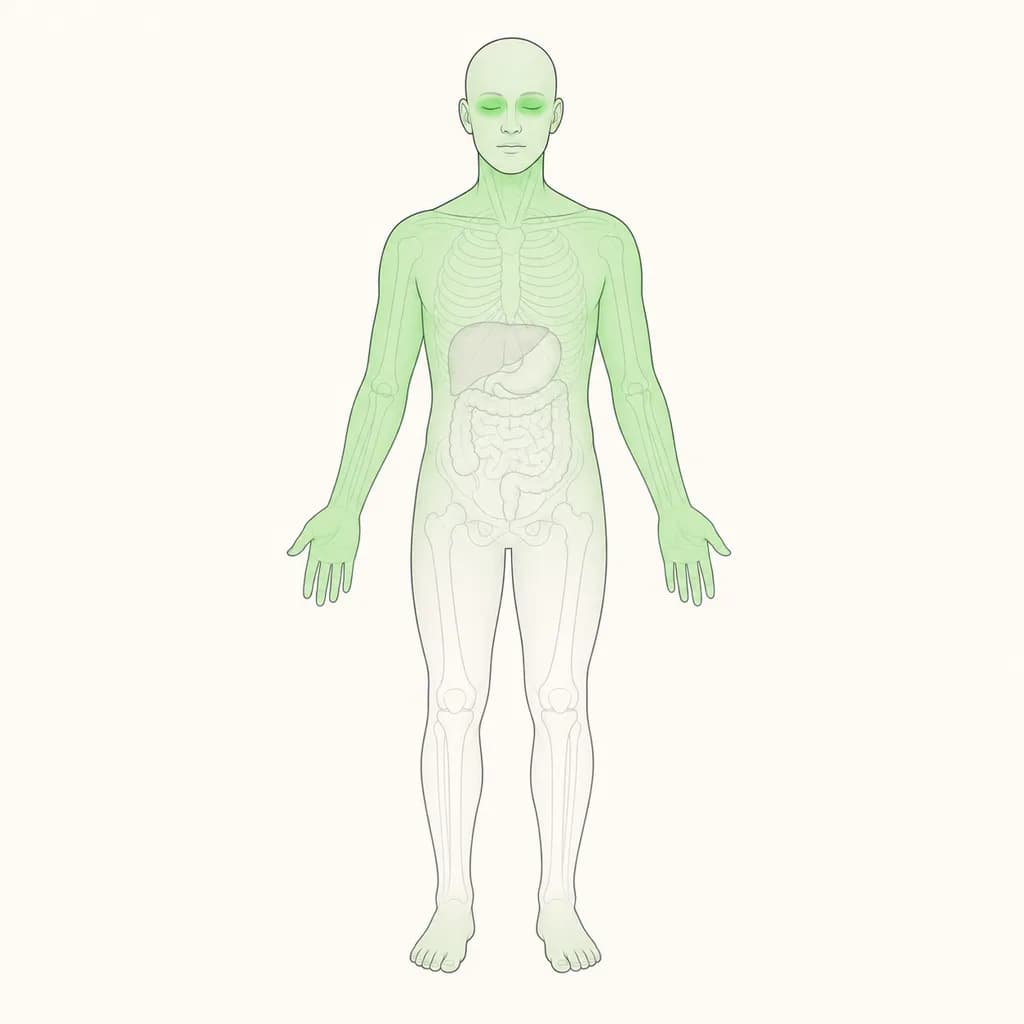
G6PD deficiency can make red blood cells more vulnerable to oxidative stress. An infection, certain medicines, or fava beans may trigger haemolysis, meaning red blood cells are destroyed more quickly. The released haemoglobin is processed into bilirubin, which can make the skin or eyes look yellow. Dark urine, unusual tiredness, breathlessness, a fast heartbeat, or paleness may accompany an episode. Jaundice has many other causes, so testing is needed to identify the reason.
What to do
Arrange prompt medical advice for new jaundice, especially after an infection or a new medicine. Tell every clinician and pharmacist that G6PD deficiency is possible or confirmed, and keep a record of medicines and supplements. Do not stop an essential prescription on your own; ask what is safe. Blood tests can check red-cell breakdown and anaemia, while urine testing may add useful information.
When urgent care is needed
Seek urgent help for severe weakness, breathlessness at rest, chest discomfort, fainting, confusion, very dark urine, rapidly increasing jaundice, or a racing heartbeat. These may indicate significant haemolysis or anaemia. A baby with yellowing, poor feeding, unusual sleepiness, or a high-pitched cry needs immediate medical assessment.
Questions for your doctor
Could haemolysis explain the jaundice? Which medicines and foods should I avoid? Do I need testing for G6PD deficiency or anaemia? What symptoms should prompt emergency care during an infection?
Find care
General Clinics & Polyclinics in Abu Dhabi
That answer is general. If you want it applied to your own case, these are licensed general clinics & polyclinics listed in Abu Dhabi.
27 Ar Ruwwad St - Shakhbout City - MSH4 - Abu Dhabi - United Arab Emirates
Accepts: Daman, Thiqa, Cigna, MetLife +20 more
Al Ruwais, Al Dhafrah
Accepts: Daman, Thiqa, AXA, Cigna +16 more
Al Bahyah - Al Bahyah Old - Abu Dhabi - United Arab Emirates
Accepts: Daman, Thiqa, Cigna, Allianz Care +18 more
Abu Dhabi
Accepts: Daman, Thiqa, AXA, Cigna +27 more
Ordered by verification status and how complete each clinic's public record is, then alphabetically. This is a directory listing, not a ranking — Zavis does not rate or recommend providers.
A factual listing drawn from the DHA, DOH and MOHAP licence registers. It is not a referral, an endorsement, or advice that any of these providers is right for you.
Questions people ask
Why does G6PD deficiency cause jaundice?
A trigger can speed up red-cell destruction, raising bilirubin levels faster than the body can clear them.
Can a medicine trigger jaundice in G6PD deficiency?
Some medicines can trigger haemolysis in susceptible people, so check every new medicine with a clinician or pharmacist.
Related
Related reading
Keep reading
Medical disclaimer. This page is general health information, not medical advice, and it cannot diagnose you. Always consult a licensed healthcare provider about your own symptoms and treatment. In an emergency in the UAE, call 998 for an ambulance.