
How common is difficulty passing urine in bladder cancer?
Short answer
Difficulty passing urine is a common presentation of bladder cancer, but the symptom can also arise from several non-cancerous urinary problems.
This answers one question. It is not a diagnosis and does not replace an assessment by a licensed doctor.
At a glance
- How it presents
- A common presentation of bladder cancer
- Also called
- Urinary hesitancy or poor stream
- Urgent sign
- Being unable to pass urine
Short answer
It may feel like waiting for urine to start, needing to strain, passing a weak stream, or feeling that the bladder has not emptied. Symptoms deserve medical assessment because the cause cannot be identified from the sensation alone.
Why this can happen
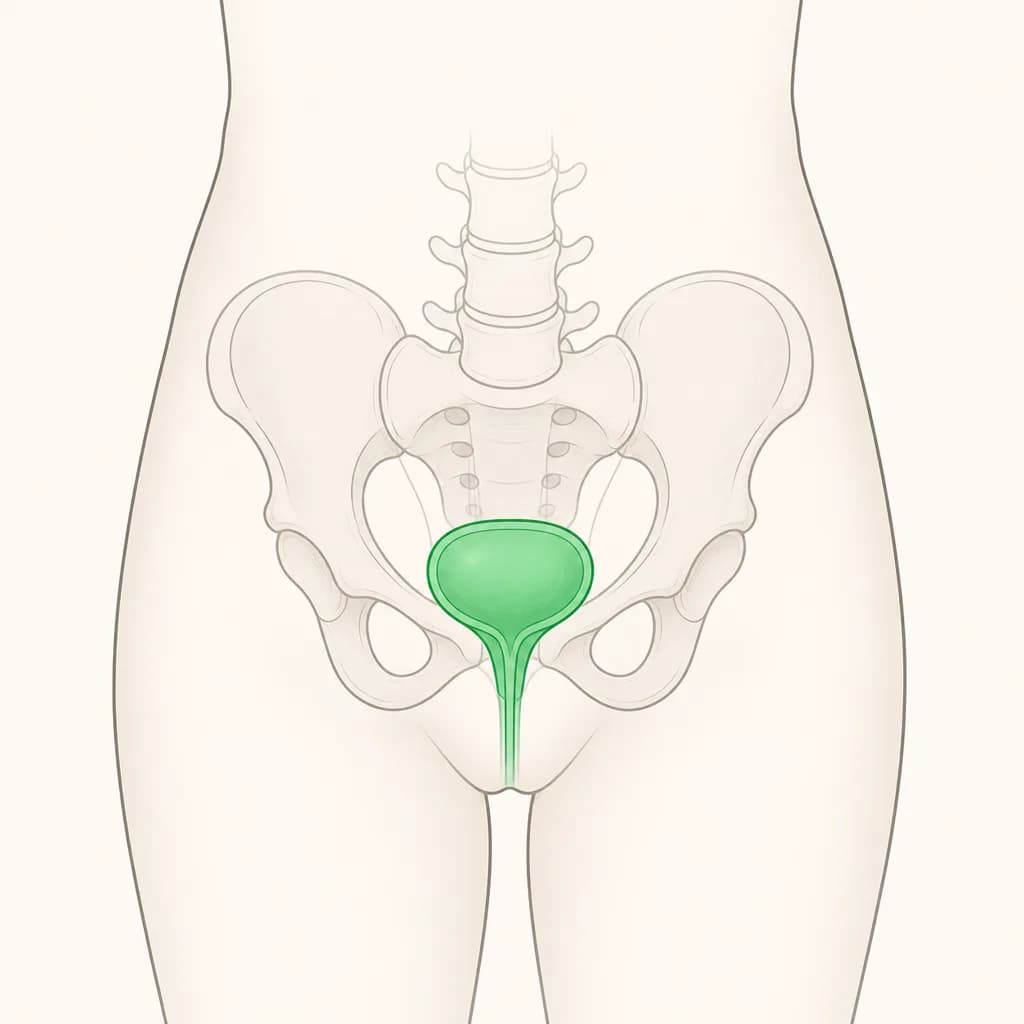
Bladder cancer can affect the way urine leaves the bladder when a growth, bleeding, irritation, or swelling interferes with normal urinary flow. The pattern can vary: some people mainly notice hesitancy or a poor stream, while others notice urgency, burning, blood in the urine, or a change in their usual bladder habits.
Difficulty passing urine is not specific to bladder cancer. Infection, prostate enlargement in people with a prostate, medicines, nerve-related bladder problems, stones, and narrowing of the urinary passage can also contribute. A clinician considers the full symptom pattern and examination findings.
What to do next
Arrange a medical appointment if the difficulty is new, persistent, worsening, or affecting sleep and daily activities. Be ready to describe when it started, whether the stream has changed, any pain or burning, visible blood, fever, lower abdominal discomfort, and the medicines or supplements you use.
Assessment may include a urine test and a discussion of your medical history. Depending on the findings, the clinician may examine the abdomen or prostate where appropriate and arrange further urinary-tract tests or specialist review.
When to seek urgent care
Seek urgent medical care if you cannot pass urine at all, especially if your lower abdomen becomes painful or swollen. Prompt care is also needed for fever with urinary symptoms, severe pain in the side or back, confusion, vomiting, or large amounts of blood or blood clots in the urine.
These warning signs can occur with blockage, infection, bleeding, or another urgent urinary problem. They need timely assessment regardless of the underlying cause.
Questions to discuss
Ask what might be causing the change in your urine flow, which tests are useful in your situation, and what symptoms should prompt urgent help. If blood in the urine or recurrent symptoms are present, ask whether a urology referral is appropriate.
Find care
General Clinics & Polyclinics in Abu Dhabi
That answer is general. If you want it applied to your own case, these are licensed general clinics & polyclinics listed in Abu Dhabi.
27 Ar Ruwwad St - Shakhbout City - MSH4 - Abu Dhabi - United Arab Emirates
Accepts: Daman, Thiqa, Cigna, MetLife +20 more
Al Ruwais, Al Dhafrah
Accepts: Daman, Thiqa, AXA, Cigna +16 more
Al Bahyah - Al Bahyah Old - Abu Dhabi - United Arab Emirates
Accepts: Daman, Thiqa, Cigna, Allianz Care +18 more
Abu Dhabi
Accepts: Daman, Thiqa, AXA, Cigna +27 more
Ordered by verification status and how complete each clinic's public record is, then alphabetically. This is a directory listing, not a ranking — Zavis does not rate or recommend providers.
A factual listing drawn from the DHA, DOH and MOHAP licence registers. It is not a referral, an endorsement, or advice that any of these providers is right for you.
Questions people ask
Does difficulty passing urine mean I have bladder cancer?
No. Difficulty passing urine can have several causes, including infection, prostate enlargement, medicines, stones, or narrowing of the urinary passage. A medical assessment can help identify the cause.
What should I mention at my appointment?
Mention when the problem began, changes in stream strength, straining, pain, burning, blood in the urine, fever, and any medicines or supplements you take.
When is difficulty passing urine an emergency?
Seek urgent care if you cannot pass urine, have painful lower-abdominal swelling, fever with urinary symptoms, severe pain, vomiting, confusion, or significant blood or clots in the urine.
Related
Related reading
Keep reading
Medical disclaimer. This page is general health information, not medical advice, and it cannot diagnose you. Always consult a licensed healthcare provider about your own symptoms and treatment. In an emergency in the UAE, call 998 for an ambulance.