
What should you know about hives on skin treatment?
Short answer
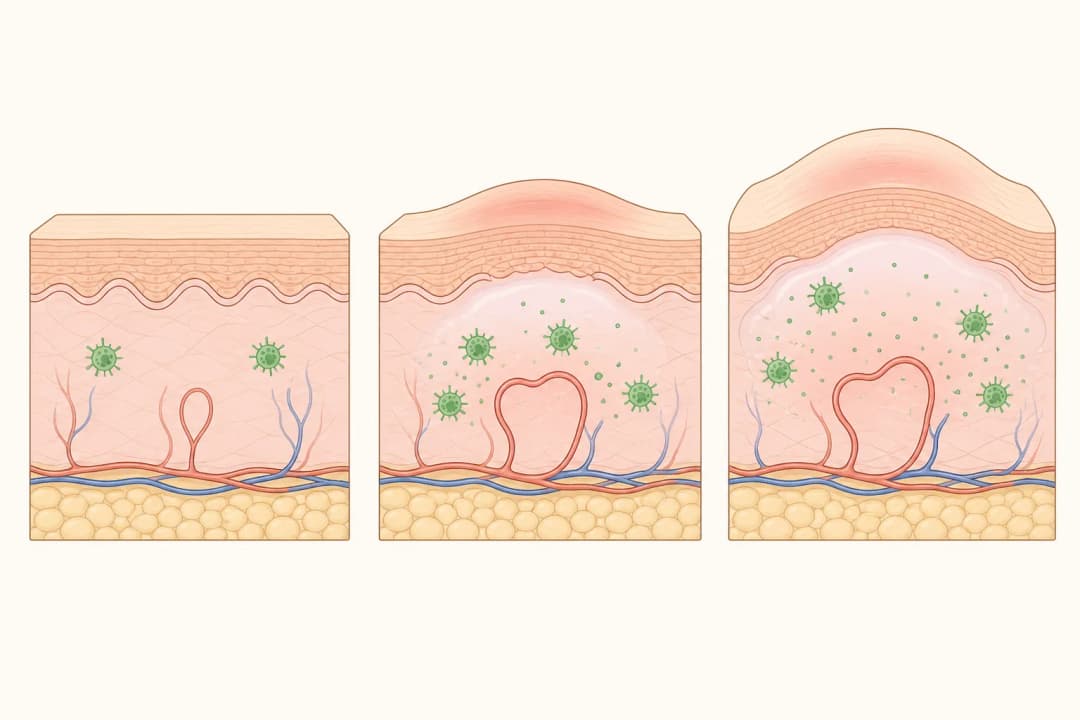
Treatment for hives usually focuses on reducing histamine-related itching and swelling, avoiding identifiable triggers, and recognising signs of a serious allergic reaction.
This answers one question. It is not a diagnosis and does not replace an assessment by a licensed doctor.
At a glance
- Main goal
- Control itching and swelling while identifying triggers
- Treatment caution
- Some antihistamines cause drowsiness or interactions
- Emergency sign
- Breathing trouble or tongue, lip, or mouth swelling
How treatment is chosen
Hives can be short-lived or recur over time. A clinician considers how often they appear, how long episodes last, possible medicines or infections, associated swelling, and whether another skin rash could be responsible. Tests are not always needed when the pattern is clear.
An oral antihistamine is commonly discussed because it blocks histamine signals involved in itching and welts. Some products can cause drowsiness or interact with other medicines, so follow professional advice and the product instructions.
Practical treatment steps
Keep the skin cool, wear loose clothing, avoid scratching, and stop a suspected new product while arranging advice. Record each flare, including its start, duration, location, foods, medicines, illness, heat, pressure, and exercise.
If symptoms are severe or do not respond, a clinician may consider a short course of oral corticosteroid treatment in selected situations. This is not suitable for everyone and should not be started or repeated without medical direction.
Urgent warning signs
Get emergency help for trouble breathing, wheezing, faintness, throat tightness, or swelling of the tongue, lips, or mouth. Widespread skin swelling with these symptoms may represent angioedema or a serious allergic reaction.
Seek a routine appointment if hives recur, persist, disturb sleep, or occur with fever, pain, bruising, or joint symptoms. A clinician can review treatment and look for a different cause.
Questions to bring
Which antihistamine fits my health history? Could another medicine or infection be involved? When would corticosteroid treatment be considered? What is my emergency plan if swelling affects my mouth?
Find care
General Clinics & Polyclinics in Abu Dhabi
That answer is general. If you want it applied to your own case, these are licensed general clinics & polyclinics listed in Abu Dhabi.
27 Ar Ruwwad St - Shakhbout City - MSH4 - Abu Dhabi - United Arab Emirates
Accepts: Daman, Thiqa, Cigna, MetLife +20 more
Al Ruwais, Al Dhafrah
Accepts: Daman, Thiqa, AXA, Cigna +16 more
Al Bahyah - Al Bahyah Old - Abu Dhabi - United Arab Emirates
Accepts: Daman, Thiqa, Cigna, Allianz Care +18 more
Abu Dhabi
Accepts: Daman, Thiqa, AXA, Cigna +27 more
Ordered by verification status and how complete each clinic's public record is, then alphabetically. This is a directory listing, not a ranking — Zavis does not rate or recommend providers.
A factual listing drawn from the DHA, DOH and MOHAP licence registers. It is not a referral, an endorsement, or advice that any of these providers is right for you.
Questions people ask
Can I treat hives with a cream?
Creams may not control the underlying histamine response. Cooling measures and professional advice about an oral antihistamine are often more useful.
Are oral corticosteroids right for everyone?
No. A clinician decides whether their short-term use is appropriate after considering your symptoms and medical history.
Related
Related reading
Keep reading
Medical disclaimer. This page is general health information, not medical advice, and it cannot diagnose you. Always consult a licensed healthcare provider about your own symptoms and treatment. In an emergency in the UAE, call 998 for an ambulance.