
What should you know about high vitamin C IV therapy?
Short answer
High-dose vitamin C IV therapy delivers vitamin C through a vein, but its benefits depend on the reason for treatment and it is not a substitute for diagnosing or treating an underlying illness.
This answers one question. It is not a diagnosis and does not replace an assessment by a licensed doctor.
At a glance
- Route
- Administered through a vein with a cannula.
- Assessment
- Kidney health, medicines, and the treatment goal should be reviewed first.
What the treatment involves
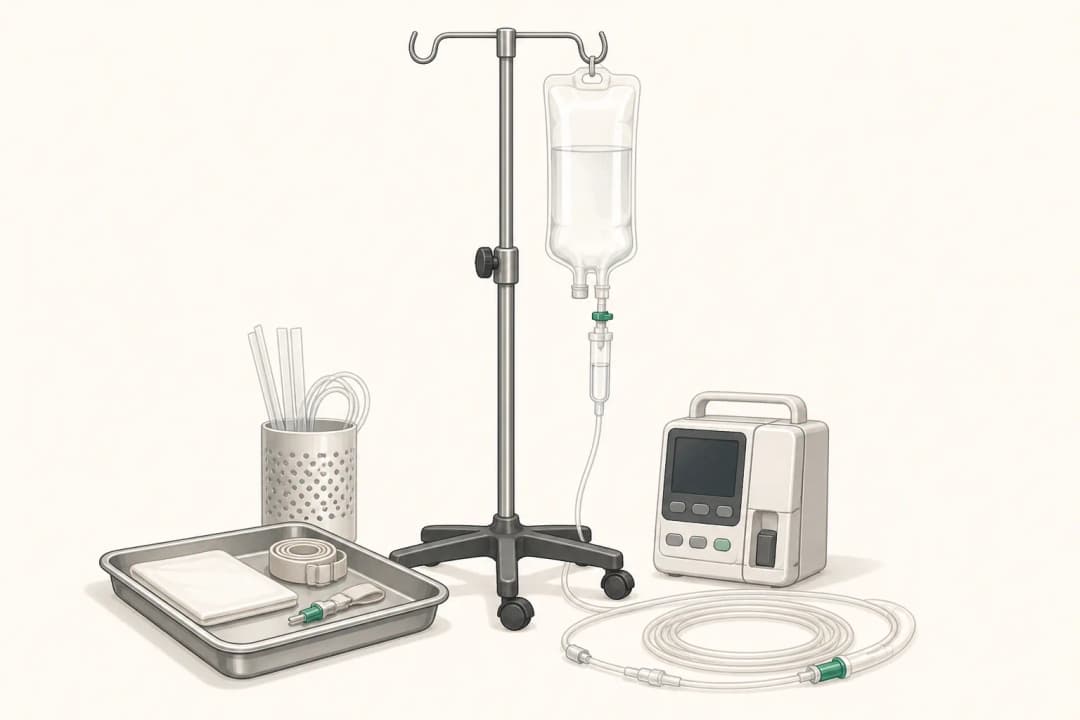
An IV vitamin drip places a cannula into a vein so fluid and vitamin C can be administered under supervision. The dose, fluid, and monitoring plan should reflect your health, kidney function, medicines, and treatment goal. Evidence for general wellness claims is limited, and correcting a documented deficiency may require a different plan.
High-dose vitamin C can be unsuitable for some people, including those with kidney problems, a history of certain kidney stones, or particular red-cell enzyme disorders. It can also affect some laboratory tests and interact with clinical decisions.
Before arranging an infusion
Ask a qualified clinician why IV treatment is being suggested and whether a diagnosis or blood test should come first. Share kidney history, pregnancy, allergies, medicines, and supplements. Discuss oral or targeted treatment when a deficiency is confirmed; vitamin B12 injection and vitamin D supplementation may be relevant alternatives for specific deficiencies, not interchangeable options.
When to seek care
During or after an infusion, get urgent help for trouble breathing, facial swelling, severe chest discomfort, fainting, confusion, or a rapidly spreading rash. Contact the treating service for severe pain, persistent vomiting, reduced urine, or worsening symptoms. Fatigue that continues also deserves assessment rather than repeated infusions without a clear cause.
Questions for your doctor
Ask what condition is being treated, what evidence supports the plan for you, how kidney function will be checked, which side effects require help, and what measurable outcome will determine whether treatment should continue.
Find care
General Clinics & Polyclinics in Abu Dhabi
That answer is general. If you want it applied to your own case, these are licensed general clinics & polyclinics listed in Abu Dhabi.
27 Ar Ruwwad St - Shakhbout City - MSH4 - Abu Dhabi - United Arab Emirates
Accepts: Daman, Thiqa, Cigna, MetLife +20 more
Al Ruwais, Al Dhafrah
Accepts: Daman, Thiqa, AXA, Cigna +16 more
Al Bahyah - Al Bahyah Old - Abu Dhabi - United Arab Emirates
Accepts: Daman, Thiqa, Cigna, Allianz Care +18 more
Abu Dhabi
Accepts: Daman, Thiqa, AXA, Cigna +27 more
Ordered by verification status and how complete each clinic's public record is, then alphabetically. This is a directory listing, not a ranking — Zavis does not rate or recommend providers.
A factual listing drawn from the DHA, DOH and MOHAP licence registers. It is not a referral, an endorsement, or advice that any of these providers is right for you.
Questions people ask
Is IV vitamin C a cure for illness?
No. It may be considered for selected clinical situations, but it does not replace diagnosis, established treatment, or urgent care.
Can everyone have a high-dose infusion?
No. Medical history and kidney function matter, and some conditions make high-dose vitamin C unsuitable.
Related
Related reading
Keep reading
Medical disclaimer. This page is general health information, not medical advice, and it cannot diagnose you. Always consult a licensed healthcare provider about your own symptoms and treatment. In an emergency in the UAE, call 998 for an ambulance.