
What should you know about high dose vitamin c infusion?
Short answer
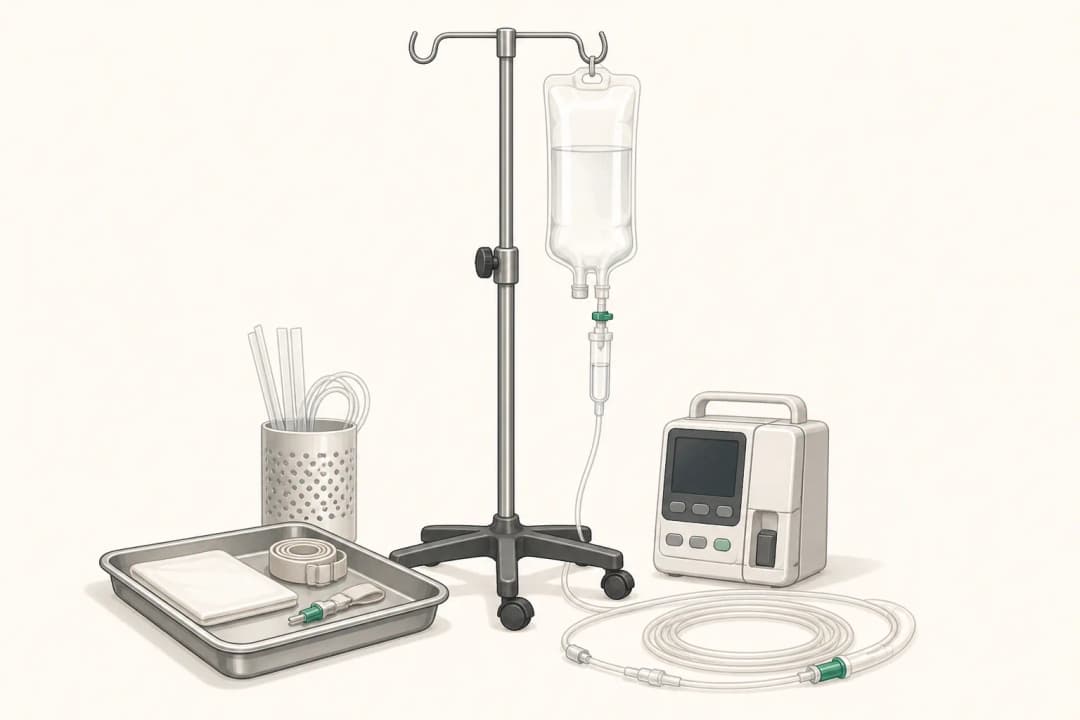
High-dose vitamin C infusion is intravenous treatment delivered through a cannula. It is different from taking vitamin C by mouth and should be considered only after a clinician reviews why it is being proposed. It should not replace proven care for a deficiency, infection or another medical condition.
This answers one question. It is not a diagnosis and does not replace an assessment by a licensed doctor.
At a glance
- Route
- Intravenous infusion through a cannula
- Key safety review
- Kidney health, medicines and relevant medical history
What to consider
The infusion enters the bloodstream directly, so the dose and rate need medical supervision. Possible concerns include vein irritation, fluid reactions, nausea and changes in kidney or blood chemistry. People with kidney disease, a history of kidney stones, certain enzyme deficiencies, iron overload or pregnancy may need particular caution. Fatigue can have many causes, including Vitamin B12 Deficiency or Vitamin D Deficiency, which need appropriate testing rather than assumptions.
Before choosing an infusion
Ask what diagnosis the infusion is intended to address, what evidence supports that use, and what alternatives are available. Share your full medicine and supplement list and mention kidney problems, stones, allergies and previous infusion reactions. If a deficiency is confirmed, oral treatment or targeted options such as Vitamin B12 Injection or Vitamin D Supplementation may be more suitable. Confirm who will monitor you and what follow-up is planned.
When to seek care
During or after treatment, seek urgent help for trouble breathing, facial swelling, chest pain, fainting, severe back or side pain, very little urine, confusion or rapidly worsening symptoms. Tell the treatment team promptly about burning at the cannula site, marked nausea or new pain. These signs need assessment rather than another infusion.
Questions for your doctor
Ask what problem is being treated, how your kidney function and other risks were checked, what side effects are possible, how the infusion interacts with medicines, and whether IV Vitamin Drip treatment is necessary.
Find care
General Clinics & Polyclinics in Abu Dhabi
That answer is general. If you want it applied to your own case, these are licensed general clinics & polyclinics listed in Abu Dhabi.
27 Ar Ruwwad St - Shakhbout City - MSH4 - Abu Dhabi - United Arab Emirates
Accepts: Daman, Thiqa, Cigna, MetLife +20 more
Al Ruwais, Al Dhafrah
Accepts: Daman, Thiqa, AXA, Cigna +16 more
Al Bahyah - Al Bahyah Old - Abu Dhabi - United Arab Emirates
Accepts: Daman, Thiqa, Cigna, Allianz Care +18 more
Abu Dhabi
Accepts: Daman, Thiqa, AXA, Cigna +27 more
Ordered by verification status and how complete each clinic's public record is, then alphabetically. This is a directory listing, not a ranking — Zavis does not rate or recommend providers.
A factual listing drawn from the DHA, DOH and MOHAP licence registers. It is not a referral, an endorsement, or advice that any of these providers is right for you.
Questions people ask
Is an infusion better than oral vitamin C?
Not automatically. The appropriate route depends on the reason for treatment, test results, absorption and safety factors.
Can it explain or cure fatigue?
Fatigue has many possible causes, so the underlying problem should be assessed instead of relying on an infusion alone.
Related
Related reading
Keep reading
Medical disclaimer. This page is general health information, not medical advice, and it cannot diagnose you. Always consult a licensed healthcare provider about your own symptoms and treatment. In an emergency in the UAE, call 998 for an ambulance.