
High altitude sickness: symptoms and treatment
Short answer
High altitude sickness can improve with rest and no further ascent, but worsening symptoms require prompt descent and medical help.
This answers one question. It is not a diagnosis and does not replace an assessment by a licensed doctor.
At a glance
- Main rule
- Do not ascend while symptoms continue.
- Severe signs
- Confusion or breathlessness at rest is an emergency.
The essential response
High altitude sickness can improve with rest and no further ascent, but worsening symptoms require prompt descent and medical help. Early symptoms may include headache, nausea, dizziness, tiredness, and poor appetite. Treat the change in symptoms seriously, even if the person has previously tolerated altitude.
How altitude sickness develops
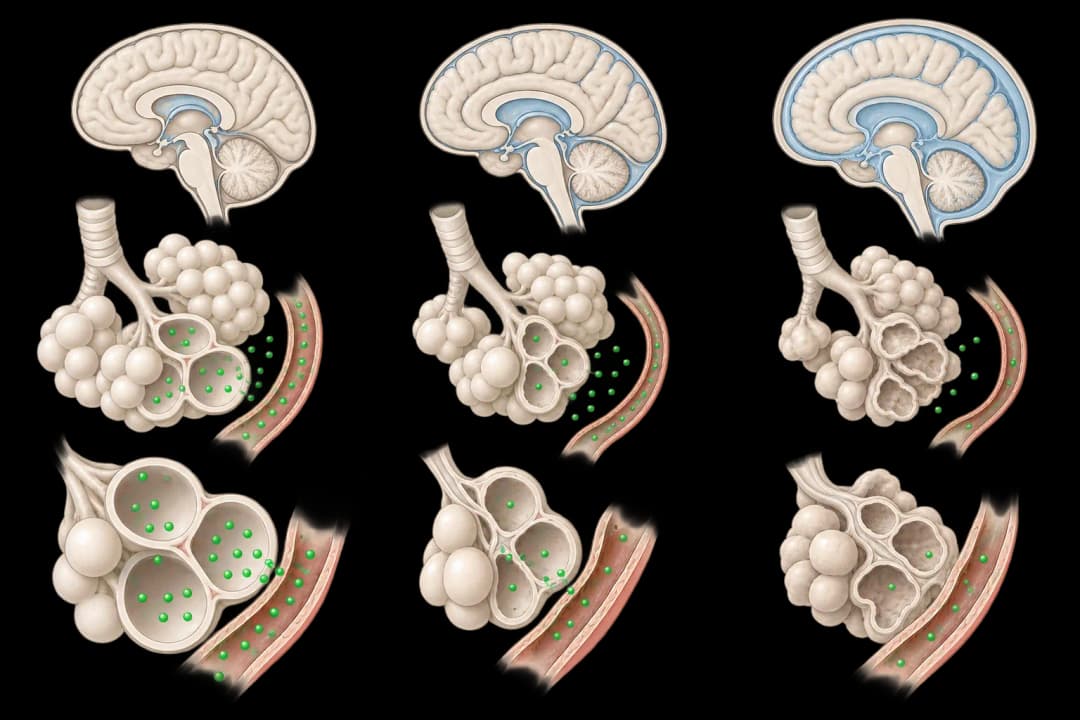
Altitude sickness happens when the body has not had time to adjust to reduced air pressure and oxygen availability. Symptoms often begin after going higher or sleeping at a new altitude. Mild illness can affect everyday comfort, while severe illness can involve the brain or lungs. A headache or nausea may be part of the condition, but infection, dehydration, heat, and other illnesses can look similar.
Steps to take
Stop ascent, rest, keep warm, and drink normally without forcing excess fluid. Avoid alcohol and strenuous exercise. Monitor the person with a companion and do not leave them alone if symptoms are progressing. If there is no clear improvement, descend to a lower altitude. A travel health consultation before departure can help plan gradual ascent and discuss medicines suited to your medical history.
Signs of severe altitude illness
Seek emergency help for confusion, unusual sleepiness, loss of coordination, inability to walk normally, fainting, breathlessness at rest, chest tightness, or coughing frothy sputum. Descend immediately with assistance if this can be done safely. Do not let someone with severe symptoms sleep unattended or continue the climb while waiting for advice.
Questions for your doctor
Ask how to schedule a gradual ascent, which early symptoms should stop your itinerary, and whether prevention medicine is suitable. Share your destination, sleeping altitude, previous altitude illness, pregnancy status, and heart or lung conditions.
Find care
General Clinics & Polyclinics in Abu Dhabi
That answer is general. If you want it applied to your own case, these are licensed general clinics & polyclinics listed in Abu Dhabi.
27 Ar Ruwwad St - Shakhbout City - MSH4 - Abu Dhabi - United Arab Emirates
Accepts: Daman, Thiqa, Cigna, MetLife +20 more
Al Ruwais, Al Dhafrah
Accepts: Daman, Thiqa, AXA, Cigna +16 more
Al Bahyah - Al Bahyah Old - Abu Dhabi - United Arab Emirates
Accepts: Daman, Thiqa, Cigna, Allianz Care +18 more
Abu Dhabi
Accepts: Daman, Thiqa, AXA, Cigna +27 more
Ordered by verification status and how complete each clinic's public record is, then alphabetically. This is a directory listing, not a ranking — Zavis does not rate or recommend providers.
A factual listing drawn from the DHA, DOH and MOHAP licence registers. It is not a referral, an endorsement, or advice that any of these providers is right for you.
Questions people ask
Can altitude sickness affect a fit person?
Yes. Fitness does not remove the body’s need to adjust to lower oxygen availability, so gradual ascent and symptom monitoring still matter.
Does sleeping help altitude sickness?
Rest may help mild symptoms, but sleeping is not a safe substitute for descent when symptoms are severe or worsening.
Keep reading
Medical disclaimer. This page is general health information, not medical advice, and it cannot diagnose you. Always consult a licensed healthcare provider about your own symptoms and treatment. In an emergency in the UAE, call 998 for an ambulance.