
Foods for amoebiasis
Short answer
Foods for amoebiasis should be simple, well-cooked, and paired with frequent fluids while prescribed treatment addresses the infection.
This answers one question. It is not a diagnosis and does not replace an assessment by a licensed doctor.
At a glance
- Food safety
- Prefer thoroughly cooked food and safe drinking water
- Main priority
- Replace fluid losses while arranging medical assessment
Eating during bowel symptoms
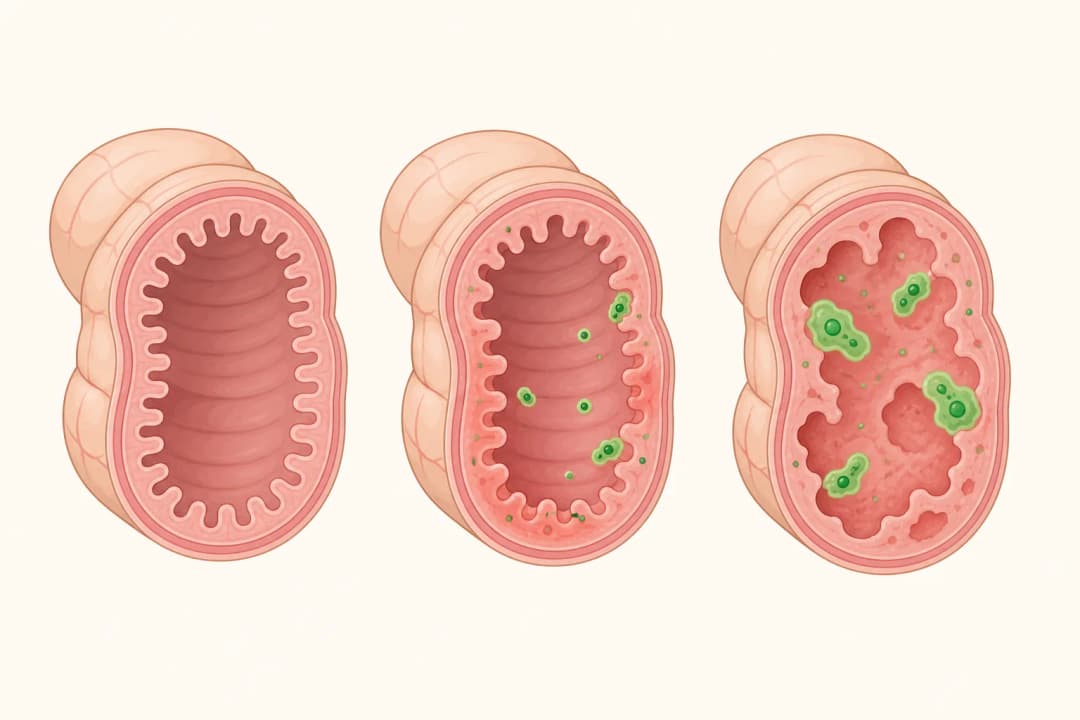
Amoebiasis can irritate the intestine and cause diarrhoea, cramps, nausea, or reduced appetite. Food does not remove the parasite, so diet is supportive rather than curative. Choose freshly prepared meals that are easy to digest, such as rice, porridge, soup, bananas, potatoes, and toast if tolerated. Avoid raw salads, unpeeled fruit, undercooked foods, and unpasteurised drinks when hygiene is uncertain. Very fatty meals, alcohol, and foods that clearly worsen cramps are sensible to pause.
Fluids and safe preparation
Take frequent small sips of safe water or an oral rehydration drink, particularly after loose stools. Continue eating small amounts as your appetite allows instead of stopping food completely. Wash hands carefully after using the toilet and before preparing meals, and use safe water for drinking, brushing teeth, and washing produce. Contact a clinician for testing and treatment; Antibiotic Treatment may be needed, and the medicine should be taken exactly as directed.
When to seek care
Get prompt medical advice for blood or mucus in stool, fever, severe abdominal pain, repeated vomiting, or diarrhoea that is not settling. Urgent care is needed for confusion, faintness, very little urine, or inability to keep fluids down because these can signal serious dehydration. Children, older adults, and people with other illnesses may need earlier assessment.
Questions for your doctor
Do I need a stool test? Which foods and fluids are suitable for me? How should I take the prescribed medicine, and when should improving bowel movements be expected?
Find care
General Clinics & Polyclinics in Abu Dhabi
That answer is general. If you want it applied to your own case, these are licensed general clinics & polyclinics listed in Abu Dhabi.
27 Ar Ruwwad St - Shakhbout City - MSH4 - Abu Dhabi - United Arab Emirates
Accepts: Daman, Thiqa, Cigna, MetLife +20 more
Al Ruwais, Al Dhafrah
Accepts: Daman, Thiqa, AXA, Cigna +16 more
Al Bahyah - Al Bahyah Old - Abu Dhabi - United Arab Emirates
Accepts: Daman, Thiqa, Cigna, Allianz Care +18 more
Abu Dhabi
Accepts: Daman, Thiqa, AXA, Cigna +27 more
Ordered by verification status and how complete each clinic's public record is, then alphabetically. This is a directory listing, not a ranking — Zavis does not rate or recommend providers.
A factual listing drawn from the DHA, DOH and MOHAP licence registers. It is not a referral, an endorsement, or advice that any of these providers is right for you.
Questions people ask
Can food alone treat amoebiasis?
No. Food can support hydration and comfort, but confirmed infection needs appropriate medical management.
Should I stop eating during diarrhoea?
No. Small tolerated meals can continue alongside frequent fluids unless a clinician advises otherwise.
Related
Related reading
Keep reading
Medical disclaimer. This page is general health information, not medical advice, and it cannot diagnose you. Always consult a licensed healthcare provider about your own symptoms and treatment. In an emergency in the UAE, call 998 for an ambulance.