
Epiderm silicone gel sheeting: what to know
Short answer
Epiderm silicone gel sheeting is a non-invasive scar-care option used on closed, healed skin to soften and flatten raised scars over time.
This answers one question. It is not a diagnosis and does not replace an assessment by a licensed doctor.
At a glance
- Use on
- Closed, healed, dry skin only
- Main aim
- Soften, flatten, and protect a raised scar
How silicone sheeting works
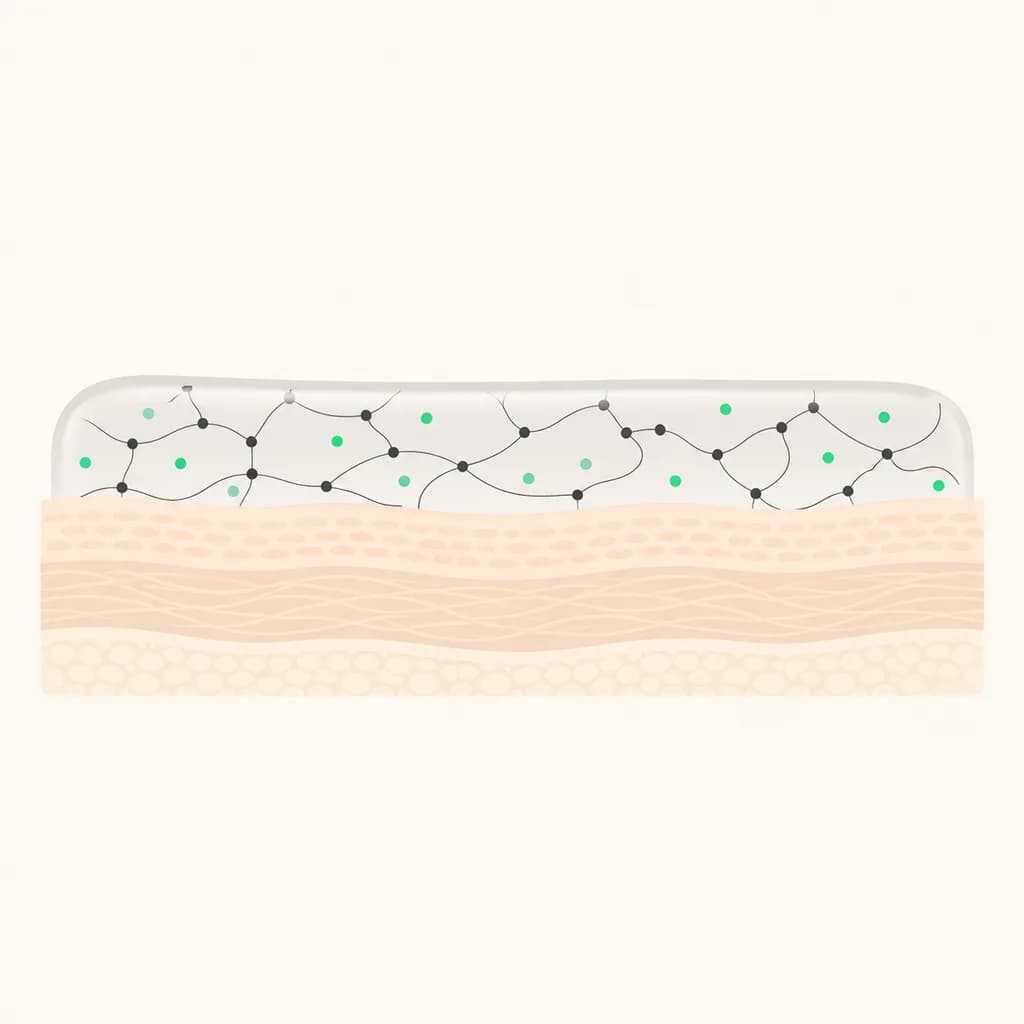
A silicone sheet sits over the scar and creates a flexible, protective covering that helps reduce water loss and friction. With consistent use, it may make a raised scar feel softer, flatter, or less noticeable. It cannot erase a scar, and results vary with scar age, thickness, location, and the way your skin heals.
Do not place a sheet over an open wound, scab that is still attached, active infection, or weeping skin. Fresh surgical sites should follow the operating clinician’s timing and wound-care instructions. [Silicone Gel Sheet](/materials/silicone-gel-sheet/) explains the material, while [Scar Revision Surgery](/treatments/surgical-dermatology/scar-revision-surgery/) is a separate procedural option.
Using a sheet carefully
Apply it to clean, completely dry, healed skin. Trim the sheet so it covers the scar with a small margin without pulling the surrounding skin. Introduce wear gradually if your skin is sensitive, remove it for washing, and follow the product’s cleaning and replacement instructions. Keep the area dry after bathing before reapplying.
Check the skin each time. Itching, redness, softening from trapped moisture, or a rash may mean the wear time needs reducing or the product should be stopped for review. Do not share sheets, and keep adhesive away from the eyes and mucous membranes.
When to seek care
Stop using the sheet and seek advice if redness persists, the skin cracks, blisters, becomes painful, or develops discharge. Arrange a review if the scar grows beyond the original wound, becomes very itchy, or restricts movement. Sudden facial swelling or breathing difficulty after application needs emergency help.
Questions for your doctor
Is my skin fully healed enough for silicone sheeting? Is the scar more consistent with a hypertrophic scar or keloid? How should I combine silicone with sunscreen or other care? What should I do if the adhesive irritates me?
Find care
General Clinics & Polyclinics in Abu Dhabi
That answer is general. If you want it applied to your own case, these are licensed general clinics & polyclinics listed in Abu Dhabi.
27 Ar Ruwwad St - Shakhbout City - MSH4 - Abu Dhabi - United Arab Emirates
Accepts: Daman, Thiqa, Cigna, MetLife +20 more
Al Ruwais, Al Dhafrah
Accepts: Daman, Thiqa, AXA, Cigna +16 more
Al Bahyah - Al Bahyah Old - Abu Dhabi - United Arab Emirates
Accepts: Daman, Thiqa, Cigna, Allianz Care +18 more
Abu Dhabi
Accepts: Daman, Thiqa, AXA, Cigna +27 more
Ordered by verification status and how complete each clinic's public record is, then alphabetically. This is a directory listing, not a ranking — Zavis does not rate or recommend providers.
A factual listing drawn from the DHA, DOH and MOHAP licence registers. It is not a referral, an endorsement, or advice that any of these providers is right for you.
Questions people ask
Can silicone sheets be used on an open wound?
No. Wait until the skin is closed and healed, following the clinician’s wound-care advice.
Will silicone sheeting remove my scar?
No. It may improve the texture or prominence of some scars, but it does not remove scar tissue.
Related
Related reading
Keep reading
Medical disclaimer. This page is general health information, not medical advice, and it cannot diagnose you. Always consult a licensed healthcare provider about your own symptoms and treatment. In an emergency in the UAE, call 998 for an ambulance.