
Effects of Cholera Bacteria on the Gut
Short answer
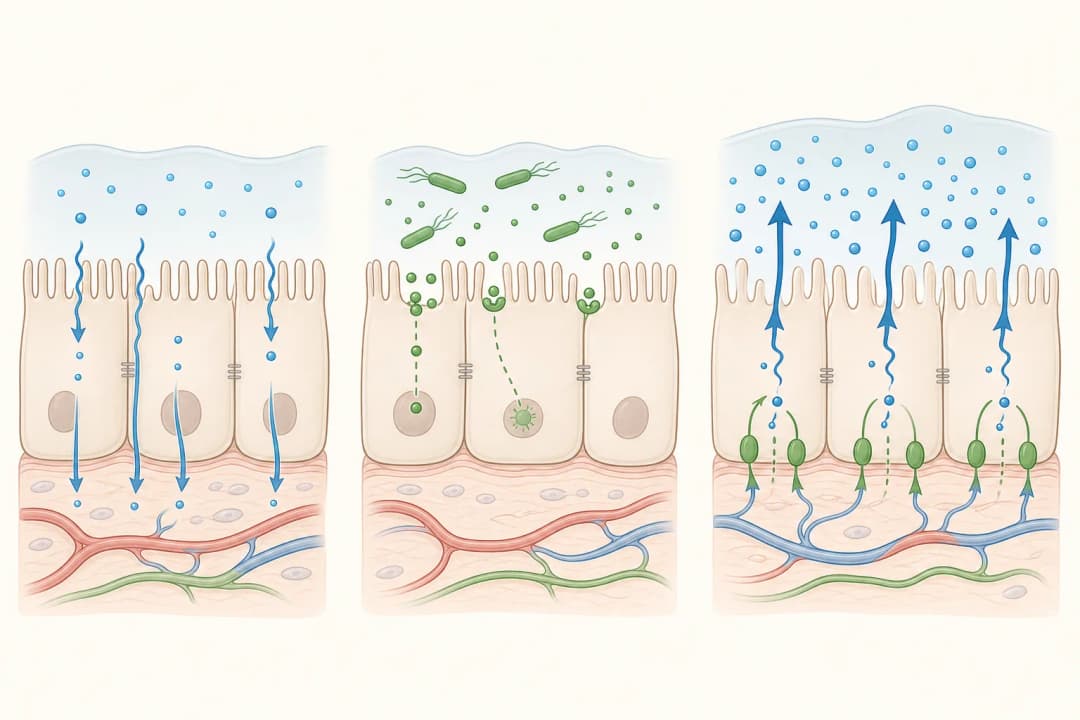
Cholera bacteria affect the small intestine by releasing a toxin that drives water and salts into the bowel, causing profuse watery diarrhoea and potentially rapid dehydration.
This answers one question. It is not a diagnosis and does not replace an assessment by a licensed doctor.
At a glance
- Main gut effect
- Large loss of water and electrolytes into the small intestine
- Main danger
- Dehydration that can worsen quickly
- First priority
- Prompt oral rehydration and medical assessment
What this means for digestion and hydration
The bacteria usually stay on the surface of the small intestine rather than invading deep into the bowel. Their toxin changes how intestinal cells move chloride and other electrolytes. Water follows these particles into the gut, so the bowel contents become very liquid and pass quickly.
This fluid loss can remove salts that the nerves, muscles and heart need to work properly. A person may develop thirst, a dry mouth, weakness, dizziness, reduced urination or drowsiness. Cholera diarrhoea is often described as pale, watery stool, but appearance alone cannot confirm the cause.
What to do if cholera is possible
Start replacing lost fluid with properly prepared oral rehydration solution while arranging urgent medical advice. It supplies water and salts in proportions that help the intestine absorb fluid. Plain water alone may not replace the electrolytes being lost, and homemade mixtures can contain too much or too little salt.
Keep taking small, frequent sips if nausea is present. A clinician may test a stool sample, assess hydration and prescribe treatment when appropriate. Severe dehydration may require IV Fluid Therapy in a healthcare setting. Avoid preparing food for other people while diarrhoea continues, and wash hands carefully after using the toilet.
When to seek urgent care
Seek urgent medical care for sudden, repeated watery diarrhoea, especially after unsafe water or food exposure, travel, or contact with someone who has cholera. Go immediately if you cannot keep fluids down, feel faint or confused, pass very little urine, have marked weakness, or notice fast breathing or a racing heartbeat.
Children, older adults, pregnant people and anyone with a long-term illness can become dehydrated quickly. Do not wait for thirst to become severe before seeking help. If a person is drowsy, collapses or cannot drink, call emergency services and do not try to give drinks to someone who cannot swallow safely.
Questions for your doctor
Ask whether testing is needed, how to monitor hydration at home, which rehydration solution to use, and whether medicines or observation in a clinic are appropriate for your symptoms and health history.
Find care
General Clinics & Polyclinics in Abu Dhabi
That answer is general. If you want it applied to your own case, these are licensed general clinics & polyclinics listed in Abu Dhabi.
27 Ar Ruwwad St - Shakhbout City - MSH4 - Abu Dhabi - United Arab Emirates
Accepts: Daman, Thiqa, Cigna, MetLife +20 more
Al Ruwais, Al Dhafrah
Accepts: Daman, Thiqa, AXA, Cigna +16 more
Al Bahyah - Al Bahyah Old - Abu Dhabi - United Arab Emirates
Accepts: Daman, Thiqa, Cigna, Allianz Care +18 more
Abu Dhabi
Accepts: Daman, Thiqa, AXA, Cigna +27 more
Ordered by verification status and how complete each clinic's public record is, then alphabetically. This is a directory listing, not a ranking — Zavis does not rate or recommend providers.
A factual listing drawn from the DHA, DOH and MOHAP licence registers. It is not a referral, an endorsement, or advice that any of these providers is right for you.
Questions people ask
Does cholera damage the lining of the gut?
Cholera mainly disrupts fluid movement from intestinal cells rather than deeply invading and destroying the bowel lining.
Why can cholera cause dehydration so quickly?
The toxin causes the small intestine to release substantial water and salts into frequent watery stools, which can exceed what a person replaces by drinking.
Can cholera be treated at home?
Rehydration can begin with oral rehydration solution, but suspected cholera needs prompt clinical advice because fluid loss may require monitoring or IV treatment.
Related
Related reading
Keep reading
Medical disclaimer. This page is general health information, not medical advice, and it cannot diagnose you. Always consult a licensed healthcare provider about your own symptoms and treatment. In an emergency in the UAE, call 998 for an ambulance.