
Early signs of altitude sickness: what to know
Short answer
Early altitude sickness often causes headache, nausea, dizziness, unusual tiredness, poor appetite, or disturbed sleep after gaining height, and it should not be ignored.
This answers one question. It is not a diagnosis and does not replace an assessment by a licensed doctor.
At a glance
- Early clues
- Headache, nausea, fatigue, or poor sleep
- First response
- Stop ascending and rest
- Emergency clue
- Confusion or breathlessness at rest
How it starts
Symptoms may begin after ascent and can feel like a hangover or exhaustion. Headache is common, with nausea, reduced appetite, light-headedness, fatigue, or difficulty sleeping. The problem reflects the body adjusting to lower oxygen pressure, not simply being unfit. Symptoms can worsen if you continue climbing, drink alcohol, or exert yourself heavily.
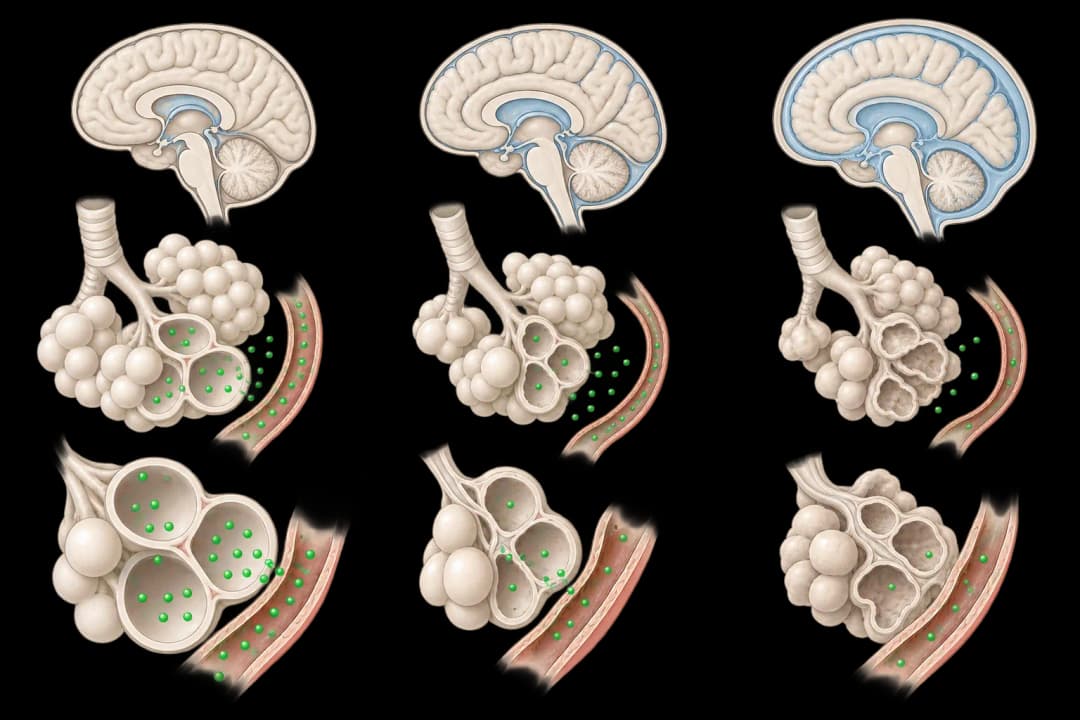
More serious altitude illness can affect the brain or lungs. Confusion, poor coordination, breathlessness at rest, a persistent cough, blue or grey lips, or frothy sputum are not normal adjustment symptoms.
What to do immediately
Stop ascending and rest at the same height. Tell a travel companion or guide, avoid alcohol and strenuous activity, and drink normally without forcing excessive fluids. Seek advice from a travel-health clinician about prevention and medicines before a high-altitude trip, especially if you have heart or lung disease or take regular medication. Never leave a person with worsening symptoms alone.
When to descend and get help
If mild symptoms do not improve with rest, or they worsen, descend to a lower altitude and obtain medical help. Treat confusion, difficulty walking, breathlessness at rest, fainting, or a worsening cough as an emergency: arrange immediate descent and emergency support. Do not wait for the person to become unable to help themselves.
Questions for your doctor
How quickly will we gain height, and what prevention plan fits my health? Which symptoms mean we should stop, descend, or seek emergency help? Are any current medicines affected by altitude travel?
Find care
General Clinics & Polyclinics in Abu Dhabi
That answer is general. If you want it applied to your own case, these are licensed general clinics & polyclinics listed in Abu Dhabi.
27 Ar Ruwwad St - Shakhbout City - MSH4 - Abu Dhabi - United Arab Emirates
Accepts: Daman, Thiqa, Cigna, MetLife +20 more
Al Ruwais, Al Dhafrah
Accepts: Daman, Thiqa, AXA, Cigna +16 more
Al Bahyah - Al Bahyah Old - Abu Dhabi - United Arab Emirates
Accepts: Daman, Thiqa, Cigna, Allianz Care +18 more
Abu Dhabi
Accepts: Daman, Thiqa, AXA, Cigna +27 more
Ordered by verification status and how complete each clinic's public record is, then alphabetically. This is a directory listing, not a ranking — Zavis does not rate or recommend providers.
A factual listing drawn from the DHA, DOH and MOHAP licence registers. It is not a referral, an endorsement, or advice that any of these providers is right for you.
Questions people ask
Should I keep climbing with a mild headache?
No. Stop ascending, rest, monitor the symptoms, and seek advice if they do not improve or become worse.
Can altitude sickness become dangerous?
Yes. Brain or lung complications can develop, so confusion, poor coordination, or breathlessness at rest requires urgent descent and emergency help.
Keep reading
Medical disclaimer. This page is general health information, not medical advice, and it cannot diagnose you. Always consult a licensed healthcare provider about your own symptoms and treatment. In an emergency in the UAE, call 998 for an ambulance.