
Does a return-to-sport programme treat an MCL injury?
Short answer
A return-to-sport programme can treat an MCL injury as part of structured rehabilitation, but the plan must match the ligament injury and healing stage.
This answers one question. It is not a diagnosis and does not replace an assessment by a licensed doctor.
At a glance
- Injury area
- Inner side of the knee
- Programme focus
- Movement, strength, balance and sport-specific control
- Progression
- Advance in stages as symptoms and function allow
What this means
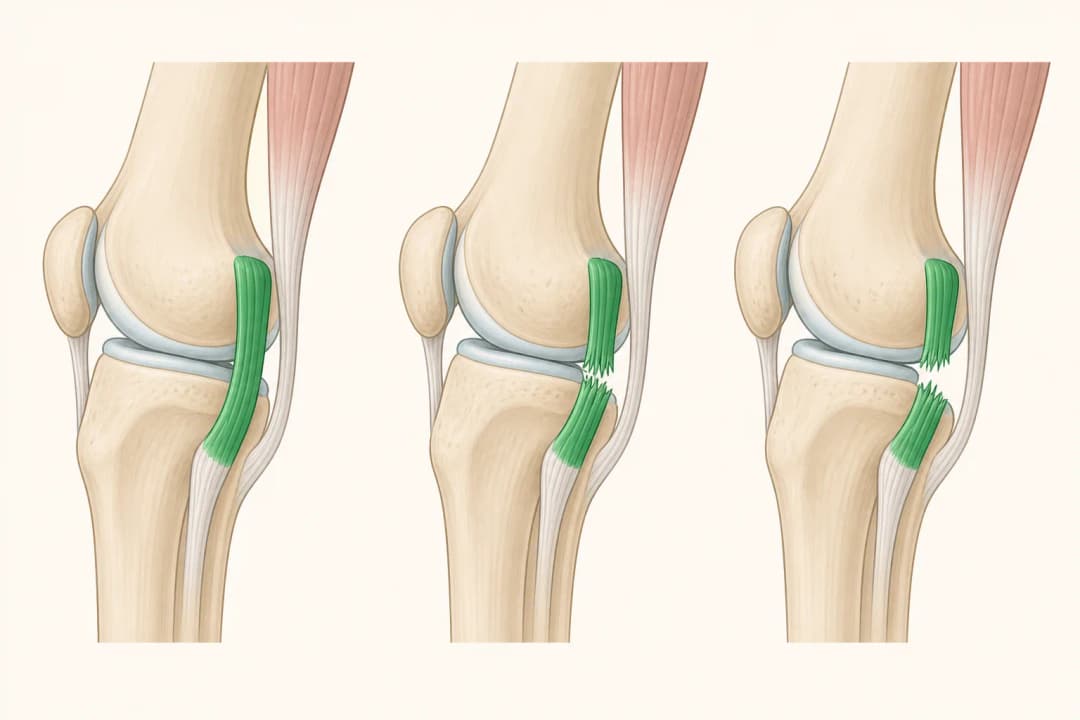
The medial collateral ligament supports the inner side of the knee. After an injury, rehabilitation may begin with comfortable movement and swelling control, then progress to strengthening the thigh and hip muscles. Later work can include balance, changes of direction, hopping, deceleration and sport-specific drills. The programme does not stitch the ligament together; it helps the knee recover function while the tissue heals and helps you rebuild control around the joint.
What to do next
Have the knee assessed if pain, swelling, tenderness or instability continues after the injury. A physiotherapist can test movement and strength, then set milestones for walking, training and competition. Follow the prescribed exercises and increase load gradually. Avoid returning to cutting, pivoting or contact activity simply because everyday walking feels easier. The Return-to-Sport Programme page explains how staged rehabilitation is organised.
When to seek care
Seek prompt medical assessment for a knee that gives way, marked swelling, inability to bear weight, severe pain, numbness or a cold-looking foot. Arrange review if symptoms worsen during rehabilitation or the knee remains unstable when you try sport movements.
Questions for your doctor or physiotherapist
Ask which activities are safe now, what strength or movement milestones you need to reach, whether another knee structure may also be injured, and how training should be modified while the MCL recovers.
Find care
General Clinics & Polyclinics in Abu Dhabi
That answer is general. If you want it applied to your own case, these are licensed general clinics & polyclinics listed in Abu Dhabi.
27 Ar Ruwwad St - Shakhbout City - MSH4 - Abu Dhabi - United Arab Emirates
Accepts: Daman, Thiqa, Cigna, MetLife +20 more
Al Ruwais, Al Dhafrah
Accepts: Daman, Thiqa, AXA, Cigna +16 more
Al Bahyah - Al Bahyah Old - Abu Dhabi - United Arab Emirates
Accepts: Daman, Thiqa, Cigna, Allianz Care +18 more
Abu Dhabi
Accepts: Daman, Thiqa, AXA, Cigna +27 more
Ordered by verification status and how complete each clinic's public record is, then alphabetically. This is a directory listing, not a ranking — Zavis does not rate or recommend providers.
A factual listing drawn from the DHA, DOH and MOHAP licence registers. It is not a referral, an endorsement, or advice that any of these providers is right for you.
Questions people ask
Can physiotherapy help an MCL injury?
Yes. A tailored programme can restore knee movement, strength and control while the ligament heals.
When can I return to sport after an MCL injury?
Return is guided by symptoms, examination and functional milestones rather than a calendar date alone.
Related
Related reading
Keep reading
Medical disclaimer. This page is general health information, not medical advice, and it cannot diagnose you. Always consult a licensed healthcare provider about your own symptoms and treatment. In an emergency in the UAE, call 998 for an ambulance.