
What should you know about diaper rash treatment?
Short answer
Diaper rash treatment starts with frequent changes, gentle washing, thorough drying and a protective barrier; persistent or unusual rashes need clinical assessment.
This answers one question. It is not a diagnosis and does not replace an assessment by a licensed doctor.
At a glance
- Core approach
- Reduce moisture, friction and irritants
- Skin care
- Clean gently, pat dry and protect
- Medical review
- Needed for spreading, raw or persistent rash
What treatment is addressing
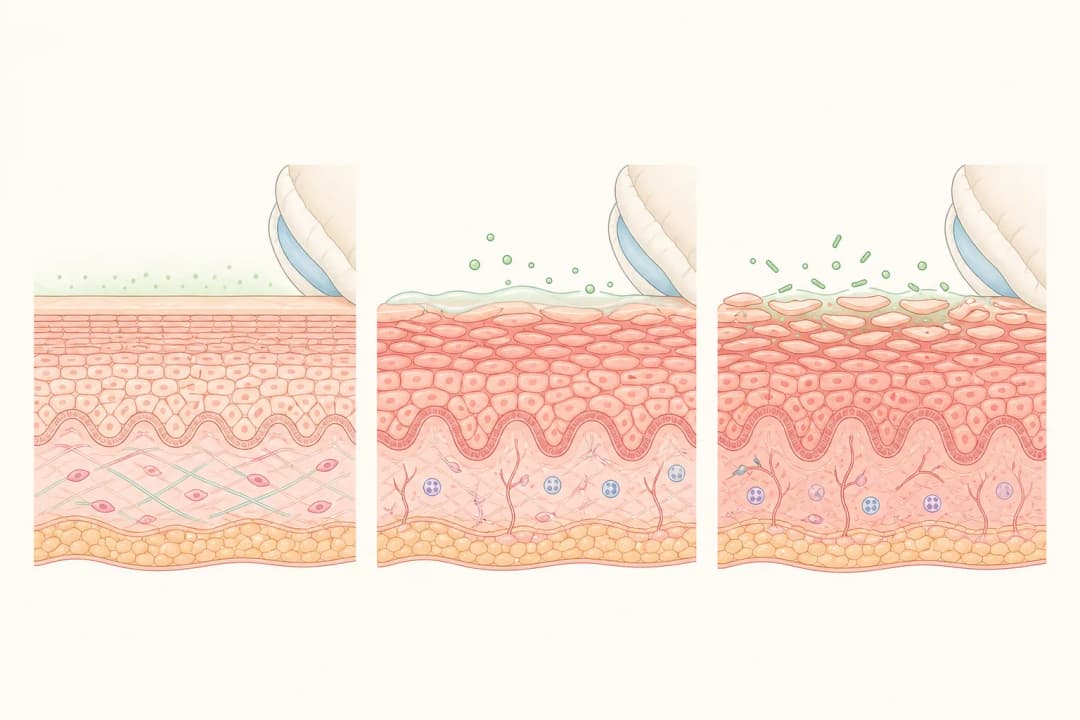
Nappy rash is inflammation in skin covered by a nappy. Wetness, enzymes in stool, warmth and rubbing can damage the barrier. The first aim is to reduce those exposures while keeping the area protected. Some rashes have added features, such as redness in the skin folds or spots beyond the main patch, which can suggest yeast; other patterns may reflect allergy or a separate skin problem. Treatment depends on the appearance and the child’s symptoms.
A simple care routine
Change nappies as soon as they are wet or soiled. Clean with lukewarm water or a fragrance-free product, then pat dry. Apply a generous bland barrier coating and avoid scrubbing it away at every change. Use loose-fitting nappies, avoid talc and fragranced wipes, and provide short nappy-free periods when appropriate. Emollient Therapy may help maintain the barrier. A clinician may recommend Topical Antifungal Treatment when the pattern suggests yeast.
When treatment needs help
Seek medical advice for blisters, open sores, pus, bleeding, marked swelling, severe discomfort or a rash that is spreading. Get prompt help if the child has fever, seems unusually sleepy, feeds poorly or looks unwell. Arrange a review when the rash keeps returning or does not begin improving with careful hygiene and barrier care, as the diagnosis or treatment may need to change.
Questions for the appointment
Ask which ingredients are suitable for the child, whether the folds are affected, and what change would show that treatment is working. Mention recent antibiotics, diarrhoea, new products and any previous reactions to creams.
Find care
General Clinics & Polyclinics in Abu Dhabi
That answer is general. If you want it applied to your own case, these are licensed general clinics & polyclinics listed in Abu Dhabi.
27 Ar Ruwwad St - Shakhbout City - MSH4 - Abu Dhabi - United Arab Emirates
Accepts: Daman, Thiqa, Cigna, MetLife +20 more
Al Ruwais, Al Dhafrah
Accepts: Daman, Thiqa, AXA, Cigna +16 more
Al Bahyah - Al Bahyah Old - Abu Dhabi - United Arab Emirates
Accepts: Daman, Thiqa, Cigna, Allianz Care +18 more
Abu Dhabi
Accepts: Daman, Thiqa, AXA, Cigna +27 more
Ordered by verification status and how complete each clinic's public record is, then alphabetically. This is a directory listing, not a ranking — Zavis does not rate or recommend providers.
A factual listing drawn from the DHA, DOH and MOHAP licence registers. It is not a referral, an endorsement, or advice that any of these providers is right for you.
Questions people ask
How often should nappies be changed during a rash?
Change them promptly whenever wet or soiled to limit contact with moisture and stool.
When might an antifungal be considered?
A clinician may consider it when the rash has features suggestive of yeast, especially in the folds or around the main redness.
Related
Related reading
Keep reading
Medical disclaimer. This page is general health information, not medical advice, and it cannot diagnose you. Always consult a licensed healthcare provider about your own symptoms and treatment. In an emergency in the UAE, call 998 for an ambulance.