
Controlled Artificial Rupture of Membranes
Short answer
Controlled artificial rupture of membranes is a clinician-led procedure that opens the membranes to support or assess labour.
This answers one question. It is not a diagnosis and does not replace an assessment by a licensed doctor.
At a glance
- Who performs it
- A trained maternity clinician during an examination.
- Afterward
- Fluid drainage, monitoring, and possible contraction changes are expected considerations.
What the procedure involves
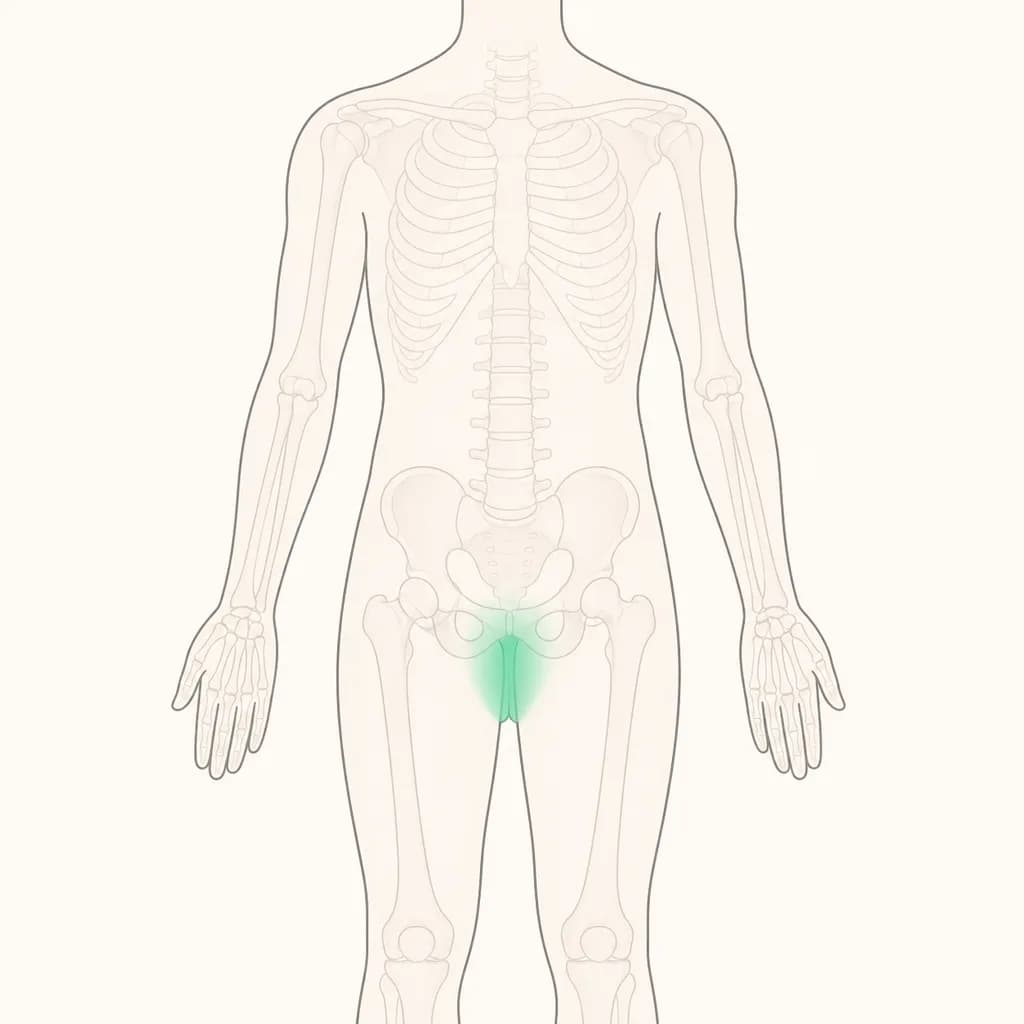
During an examination, a trained clinician uses a sterile instrument to make a small opening in the membranes around the baby. Fluid then drains through the vagina. The team considers your labour progress, the baby's position, and whether the baby's head is well applied before recommending it. The baby's heart rate is checked as part of safe monitoring, and contractions may change afterward.
How to prepare
Ask why the procedure is being suggested, what alternatives are available, and how the team will monitor you and your baby. Tell the clinician about pain, bleeding, allergies, or concerns before the examination. Afterward, note fluid colour and smell, contraction changes, and baby movements. The maternity team can explain comfort options and what happens if labour does not progress as hoped.
When to seek care
Tell your maternity team immediately about heavy bleeding, severe or constant pain, fever, reduced baby movements, or fluid that is green or foul-smelling. A sudden change in the baby's heart-rate pattern or a cord-related concern is managed by the clinical team urgently. If fluid starts leaking before term outside a planned procedure, contact maternity services promptly because preterm labour may need assessment.
Questions for your doctor or midwife
Ask what the intended benefit is for your labour, whether the baby's head is low and stable, and how the team would respond if the heart-rate pattern changes. Ask what signs after the procedure should prompt you to call.
Find care
General Clinics & Polyclinics in Abu Dhabi
That answer is general. If you want it applied to your own case, these are licensed general clinics & polyclinics listed in Abu Dhabi.
27 Ar Ruwwad St - Shakhbout City - MSH4 - Abu Dhabi - United Arab Emirates
Accepts: Daman, Thiqa, Cigna, MetLife +20 more
Al Ruwais, Al Dhafrah
Accepts: Daman, Thiqa, AXA, Cigna +16 more
Al Bahyah - Al Bahyah Old - Abu Dhabi - United Arab Emirates
Accepts: Daman, Thiqa, Cigna, Allianz Care +18 more
Abu Dhabi
Accepts: Daman, Thiqa, AXA, Cigna +27 more
Ordered by verification status and how complete each clinic's public record is, then alphabetically. This is a directory listing, not a ranking — Zavis does not rate or recommend providers.
A factual listing drawn from the DHA, DOH and MOHAP licence registers. It is not a referral, an endorsement, or advice that any of these providers is right for you.
Questions people ask
Is controlled rupture of membranes the same as waters breaking naturally?
It also opens the membranes, but it is deliberately performed by a clinician in a monitored setting.
Why might it be offered?
The team may use it to support labour progress or gather information during an examination.
Related
Related reading
Keep reading
Medical disclaimer. This page is general health information, not medical advice, and it cannot diagnose you. Always consult a licensed healthcare provider about your own symptoms and treatment. In an emergency in the UAE, call 998 for an ambulance.