
What should you know about citrate for kidney stones?
Short answer
Citrate can help prevent or manage some kidney stones by changing urine chemistry, but treatment should match the stone type and your health.
This answers one question. It is not a diagnosis and does not replace an assessment by a licensed doctor.
At a glance
- Purpose
- Changes urine chemistry for selected stones
- Monitoring
- May involve urine or blood tests
- Urgent warning
- Pain with fever or inability to pass urine
How citrate may help
Citrate binds with minerals in urine and can reduce the conditions that allow certain crystals to form. A clinician may prescribe a citrate medicine after assessing your stone history, urine findings, kidney function, and other medicines. It is not suitable for every stone or every person.
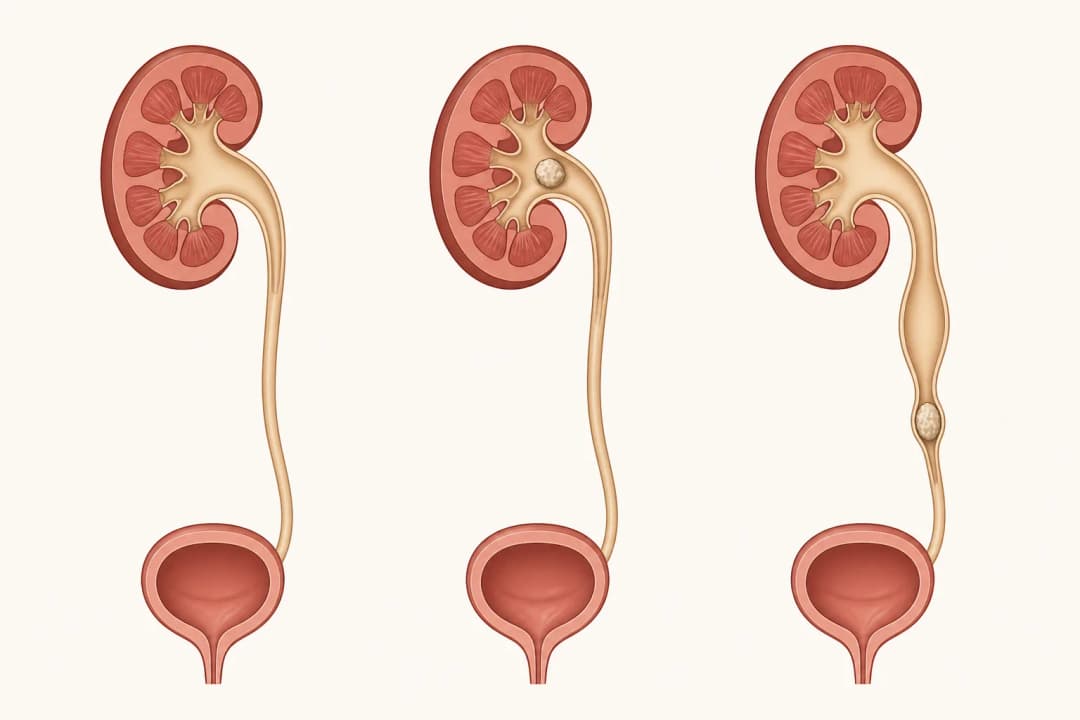
A stone can still cause flank pain, abdominal pain, painful urination, or difficulty passing urine while you are taking citrate. Dehydration can concentrate urine and may encourage stone formation, but drinking advice must take account of kidney or heart conditions.
Using citrate safely
Follow the prescribed dose and instructions for taking it; some products need to be diluted or taken with food. Do not substitute a supplement or change the amount without checking with a clinician. Keep follow-up appointments so urine tests or blood tests can guide treatment.
Drink the amount advised for you and spread fluids through the day. If a stone is being passed, follow the plan for pain relief and straining or collecting urine if requested. A GP Consultation can help review recurrent symptoms, while an Abdominal Ultrasound may be used to look for obstruction or remaining stones.
When to seek care
Seek urgent care for severe or uncontrolled pain, fever or chills with urinary symptoms, repeated vomiting, faintness, inability to pass urine, or feeling suddenly very unwell. These features can signal infection or blockage and need prompt assessment rather than extra citrate at home.
Questions for your doctor
Ask which stone type is being treated, what the citrate is intended to change, how to take it, and which tests will monitor response. Check whether your kidney function, blood pressure, diet, or other medicines affect the plan.
Find care
General Clinics & Polyclinics in Abu Dhabi
That answer is general. If you want it applied to your own case, these are licensed general clinics & polyclinics listed in Abu Dhabi.
27 Ar Ruwwad St - Shakhbout City - MSH4 - Abu Dhabi - United Arab Emirates
Accepts: Daman, Thiqa, Cigna, MetLife +20 more
Al Ruwais, Al Dhafrah
Accepts: Daman, Thiqa, AXA, Cigna +16 more
Al Bahyah - Al Bahyah Old - Abu Dhabi - United Arab Emirates
Accepts: Daman, Thiqa, Cigna, Allianz Care +18 more
Abu Dhabi
Accepts: Daman, Thiqa, AXA, Cigna +27 more
Ordered by verification status and how complete each clinic's public record is, then alphabetically. This is a directory listing, not a ranking — Zavis does not rate or recommend providers.
A factual listing drawn from the DHA, DOH and MOHAP licence registers. It is not a referral, an endorsement, or advice that any of these providers is right for you.
Questions people ask
Does citrate dissolve every kidney stone?
No. Its usefulness depends on the stone type and your urine chemistry, so treatment should be individually assessed.
Can I take extra citrate during stone pain?
No; use the prescribed plan and seek advice for severe pain, vomiting, fever, or difficulty passing urine.
Related
Related reading
Keep reading
Medical disclaimer. This page is general health information, not medical advice, and it cannot diagnose you. Always consult a licensed healthcare provider about your own symptoms and treatment. In an emergency in the UAE, call 998 for an ambulance.