
What should you know about cica care silicone gel sheet for keloid?
Short answer
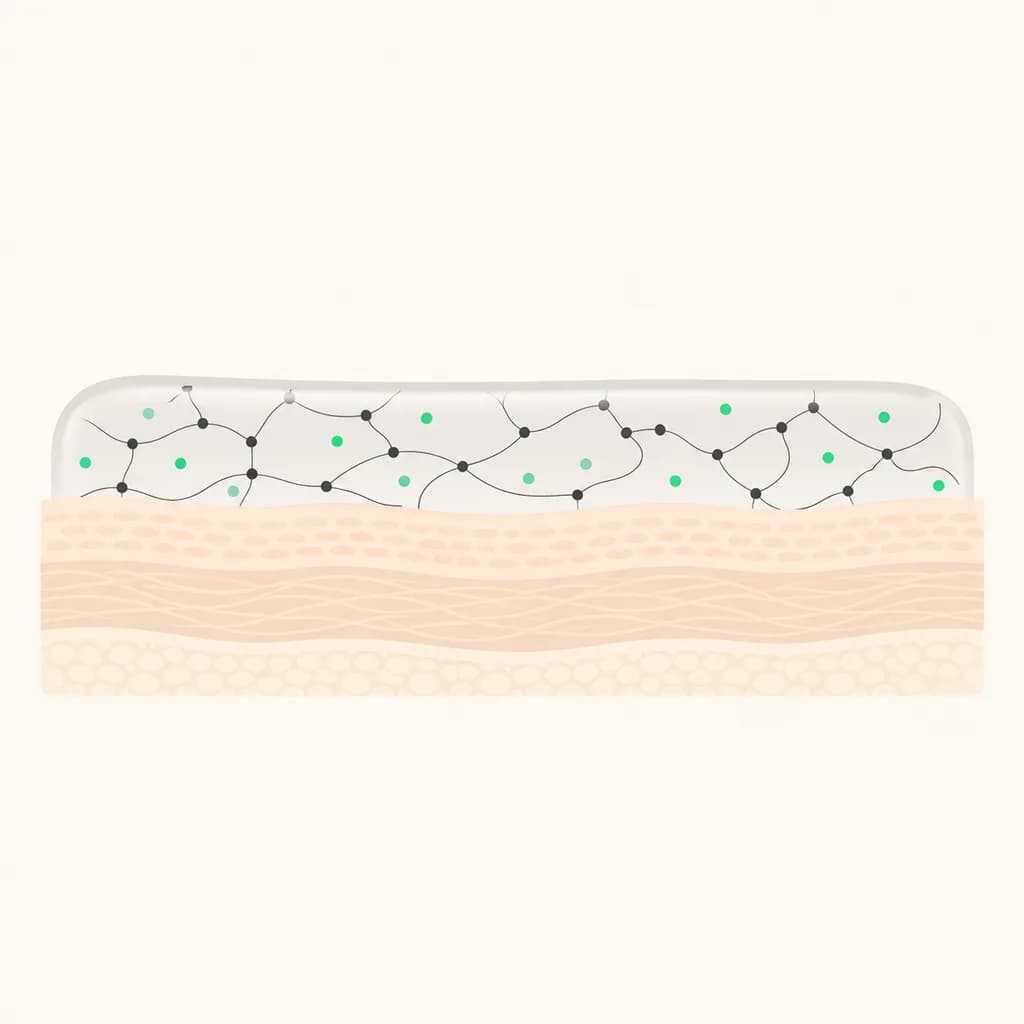
A Cica-Care silicone gel sheet may help manage a healed raised scar, but a suspected keloid deserves clinical assessment because it can extend beyond the original wound.
This answers one question. It is not a diagnosis and does not replace an assessment by a licensed doctor.
At a glance
- Key distinction
- A keloid can extend beyond the original wound
- Use silicone on
- Fully closed, dry skin
- Review if
- The scar grows, hurts, or limits movement
Why keloid assessment matters
A keloid is a raised scar that grows beyond the edges of the original injury. It may feel firm, itchy, tender, or tight, and it can continue changing after the wound has healed. A hypertrophic scar stays within the original wound border, but the distinction is best made by examination.
Silicone creates a protective, hydrated surface over closed skin and may soften or flatten some raised scars over time. It cannot remove established scar tissue or confirm that a bump is a keloid. Other treatments, including scar revision surgery, may be considered only after a clinician reviews the scar and its tendency to recur.
Safe use and monitoring
Wait until the wound is fully closed and free of drainage before applying the sheet. Clean and dry the skin, begin with the supplied schedule, and remove the sheet for washing. Inspect the edges for rubbing, trapped moisture, redness, or a rash, particularly when the scar lies in a fold or under clothing.
Take a photograph at consistent intervals and note changes in height, width, itch, pain, or tenderness. Do not cut into a growing scar, inject it, or apply strong medicines without professional advice. Early review can help match the treatment to the scar's behaviour.
When to seek care
Book a dermatology review if the raised area grows beyond the original wound, becomes painful or persistently itchy, or limits movement. Seek prompt care for warmth, pus, spreading redness, wound opening, fever, or a rapidly changing lump. Stop the sheet and ask for advice if the covered skin breaks down.
Questions for your doctor
Ask whether the scar is a keloid or another type of raised scar, whether silicone is suitable, how to combine it with other care, and what recurrence signs to watch for. Ask whether treatment should begin before the scar grows further.
Find care
General Clinics & Polyclinics in Abu Dhabi
That answer is general. If you want it applied to your own case, these are licensed general clinics & polyclinics listed in Abu Dhabi.
27 Ar Ruwwad St - Shakhbout City - MSH4 - Abu Dhabi - United Arab Emirates
Accepts: Daman, Thiqa, Cigna, MetLife +20 more
Al Ruwais, Al Dhafrah
Accepts: Daman, Thiqa, AXA, Cigna +16 more
Al Bahyah - Al Bahyah Old - Abu Dhabi - United Arab Emirates
Accepts: Daman, Thiqa, Cigna, Allianz Care +18 more
Abu Dhabi
Accepts: Daman, Thiqa, AXA, Cigna +27 more
Ordered by verification status and how complete each clinic's public record is, then alphabetically. This is a directory listing, not a ranking — Zavis does not rate or recommend providers.
A factual listing drawn from the DHA, DOH and MOHAP licence registers. It is not a referral, an endorsement, or advice that any of these providers is right for you.
Questions people ask
Can silicone sheets cure a keloid?
They may help manage a healed raised scar, but they do not remove established tissue or replace specialist assessment.
Why should a growing scar be examined?
Growth beyond the original wound can fit a keloid pattern and may call for treatment beyond home scar care.
Related
Related reading
Keep reading
Medical disclaimer. This page is general health information, not medical advice, and it cannot diagnose you. Always consult a licensed healthcare provider about your own symptoms and treatment. In an emergency in the UAE, call 998 for an ambulance.