
What type of disease is cholera?
Short answer
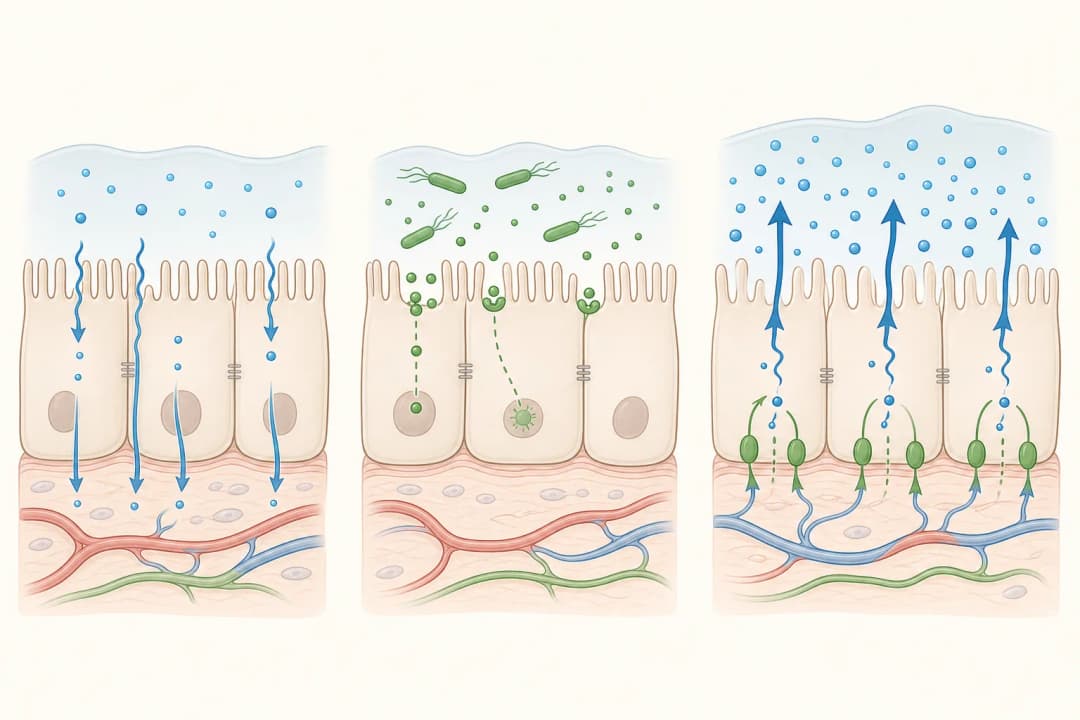
Cholera is an acute intestinal bacterial disease spread mainly through contaminated food or water and marked by severe fluid loss.
This answers one question. It is not a diagnosis and does not replace an assessment by a licensed doctor.
At a glance
- Disease group
- Acute intestinal infection
- Cause
- Bacterium called Vibrio cholerae
- Route
- Contaminated food or water
What that classification tells you
Acute means symptoms can begin and worsen over a relatively short period. Intestinal means the infection primarily disrupts the gut, where it can cause watery diarrhoea and vomiting. Bacterial means the cause is Vibrio cholerae, not a virus or a non-infectious food intolerance. The most urgent effect is dehydration as water and salts leave the body. [Diarrhoea] from another cause can look similar, so testing and clinical assessment may be needed.
Cholera is also considered a water- and food-borne infection. Safe water, handwashing, hygienic toilets and thorough food handling reduce the chance of transmission, but they do not replace care when symptoms are severe.
The practical response
Use oral rehydration fluid early when watery diarrhoea begins, taking frequent sips and following the preparation instructions. [Oral Rehydration Therapy] helps replace the water and salts lost through stool and vomiting. Arrange medical assessment promptly, especially for a child, older person or someone with a long-term illness. Keep hands and bathroom surfaces clean, use safe water and avoid preparing meals for other people while symptoms continue.
When to seek urgent care
Seek urgent care for persistent vomiting, inability to drink, faintness, confusion, severe weakness, a very dry mouth, worsening dizziness or markedly reduced urine. These indicate that dehydration may be more advanced than the diarrhoea alone suggests. [IV Fluid Therapy] may be required when oral fluids cannot keep up with losses. Call emergency services for collapse, severe drowsiness or difficulty waking the person.
Questions for an appointment
Ask how cholera is distinguished from other diarrhoeal illnesses, whether a stool sample is needed, how long to continue rehydration, and what cleaning measures protect your household. Ask which changes in urine, alertness or drinking should trigger immediate review.
Find care
General Clinics & Polyclinics in Abu Dhabi
That answer is general. If you want it applied to your own case, these are licensed general clinics & polyclinics listed in Abu Dhabi.
27 Ar Ruwwad St - Shakhbout City - MSH4 - Abu Dhabi - United Arab Emirates
Accepts: Daman, Thiqa, Cigna, MetLife +20 more
Al Ruwais, Al Dhafrah
Accepts: Daman, Thiqa, AXA, Cigna +16 more
Al Bahyah - Al Bahyah Old - Abu Dhabi - United Arab Emirates
Accepts: Daman, Thiqa, Cigna, Allianz Care +18 more
Abu Dhabi
Accepts: Daman, Thiqa, AXA, Cigna +27 more
Ordered by verification status and how complete each clinic's public record is, then alphabetically. This is a directory listing, not a ranking — Zavis does not rate or recommend providers.
A factual listing drawn from the DHA, DOH and MOHAP licence registers. It is not a referral, an endorsement, or advice that any of these providers is right for you.
Questions people ask
Is cholera a viral disease?
No. It is a bacterial intestinal disease caused by Vibrio cholerae.
Why is cholera treated urgently?
Rapid loss of water and salts can cause dehydration and affect circulation.
Related
Related reading
Keep reading
Medical disclaimer. This page is general health information, not medical advice, and it cannot diagnose you. Always consult a licensed healthcare provider about your own symptoms and treatment. In an emergency in the UAE, call 998 for an ambulance.