
What should you know about cholera outbreaks and pandemics?
Short answer
A cholera outbreak is a cluster of linked cases, while a pandemic describes widespread transmission across countries or regions.
This answers one question. It is not a diagnosis and does not replace an assessment by a licensed doctor.
At a glance
- Outbreak
- Linked local cluster of cases
- Pandemic
- Widespread transmission across regions
- Shared concern
- Contaminated food or water
How the terms differ
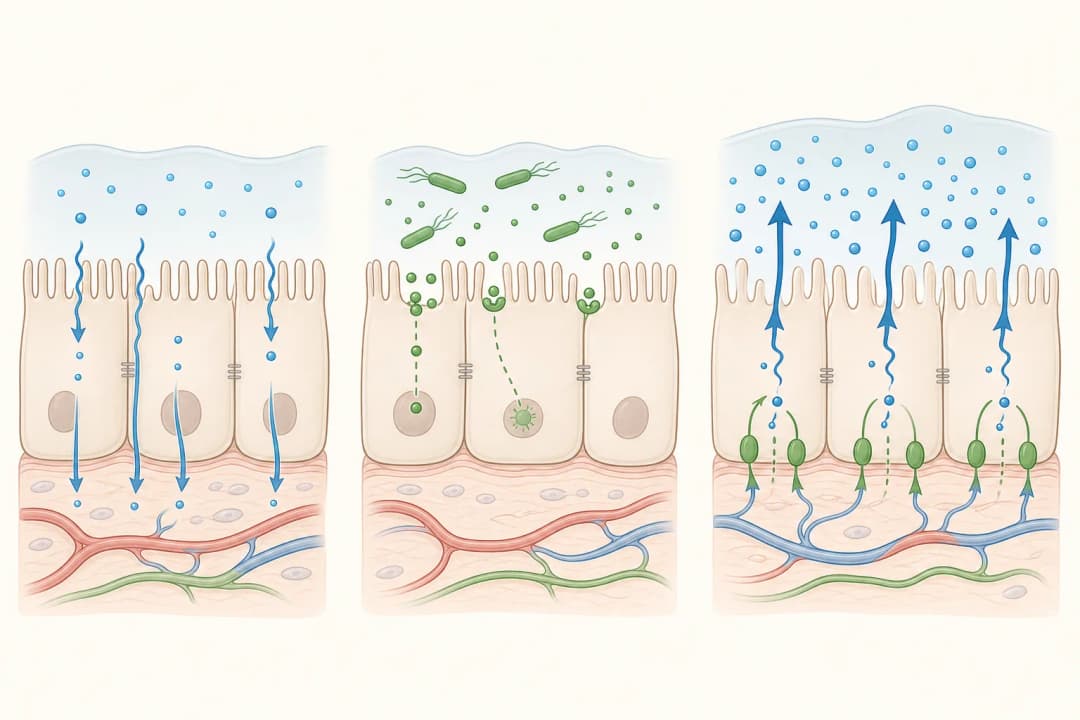
An outbreak focuses on an increase in cases connected to a particular place, group or source. A pandemic describes disease transmission across broad geographic areas, often involving many communities and health systems. Neither word tells you whether an individual is infected. Cholera spreads when Vibrio cholerae enters the mouth through contaminated food or water, then can cause the intestine to lose water and salts. [Diarrhoea](/symptoms/diarrhoea/) is a key symptom but can have many other causes.
Public-health teams respond by tracing sources, improving water and sanitation, advising communities and arranging care for people who become ill.
Practical protection
Use treated or sealed water for drinking, brushing teeth, cooking and ice. Wash hands with soap after toilet use and before handling food. Cook food thoroughly, avoid raw foods of uncertain safety, and follow current local health instructions. If watery diarrhoea begins, start correctly prepared oral rehydration solution and contact a healthcare service. [Oral Rehydration Therapy](/treatments/acute-and-urgent-care/oral-rehydration-therapy/) helps replace fluid and salts during assessment.
When to seek urgent help
Get urgent care for repeated watery diarrhoea, persistent vomiting, faintness, confusion, unusual drowsiness, very little urine, severe thirst or a dry mouth. Dehydration can become dangerous quickly, whether cases are local or widespread. If drinking cannot replace the loss, clinicians may use [IV Fluid Therapy](/treatments/acute-and-urgent-care/iv-fluid-therapy/) and monitor recovery. Tell the service about possible contaminated water, travel or an outbreak notice.
Questions to bring
Ask whether current alerts affect your area, which water sources are safe, whether testing is needed, how to protect household contacts, and where urgent care is available. Explain when symptoms began, what you drank or ate, recent travel, and whether anyone nearby is unwell.
Find care
General Clinics & Polyclinics in Abu Dhabi
That answer is general. If you want it applied to your own case, these are licensed general clinics & polyclinics listed in Abu Dhabi.
27 Ar Ruwwad St - Shakhbout City - MSH4 - Abu Dhabi - United Arab Emirates
Accepts: Daman, Thiqa, Cigna, MetLife +20 more
Al Ruwais, Al Dhafrah
Accepts: Daman, Thiqa, AXA, Cigna +16 more
Al Bahyah - Al Bahyah Old - Abu Dhabi - United Arab Emirates
Accepts: Daman, Thiqa, Cigna, Allianz Care +18 more
Abu Dhabi
Accepts: Daman, Thiqa, AXA, Cigna +27 more
Ordered by verification status and how complete each clinic's public record is, then alphabetically. This is a directory listing, not a ranking — Zavis does not rate or recommend providers.
A factual listing drawn from the DHA, DOH and MOHAP licence registers. It is not a referral, an endorsement, or advice that any of these providers is right for you.
Questions people ask
Does a pandemic mean everyone will get cholera?
No. It describes broad transmission, while individual risk depends on exposure, water and sanitation conditions, and personal circumstances.
Are outbreak precautions different from pandemic precautions?
The basic protection remains similar: safe water, hand hygiene, safe food and prompt fluid replacement, alongside current local advice.
Related
Related reading
Keep reading
Medical disclaimer. This page is general health information, not medical advice, and it cannot diagnose you. Always consult a licensed healthcare provider about your own symptoms and treatment. In an emergency in the UAE, call 998 for an ambulance.