
Is cholera a water-borne disease?
Short answer
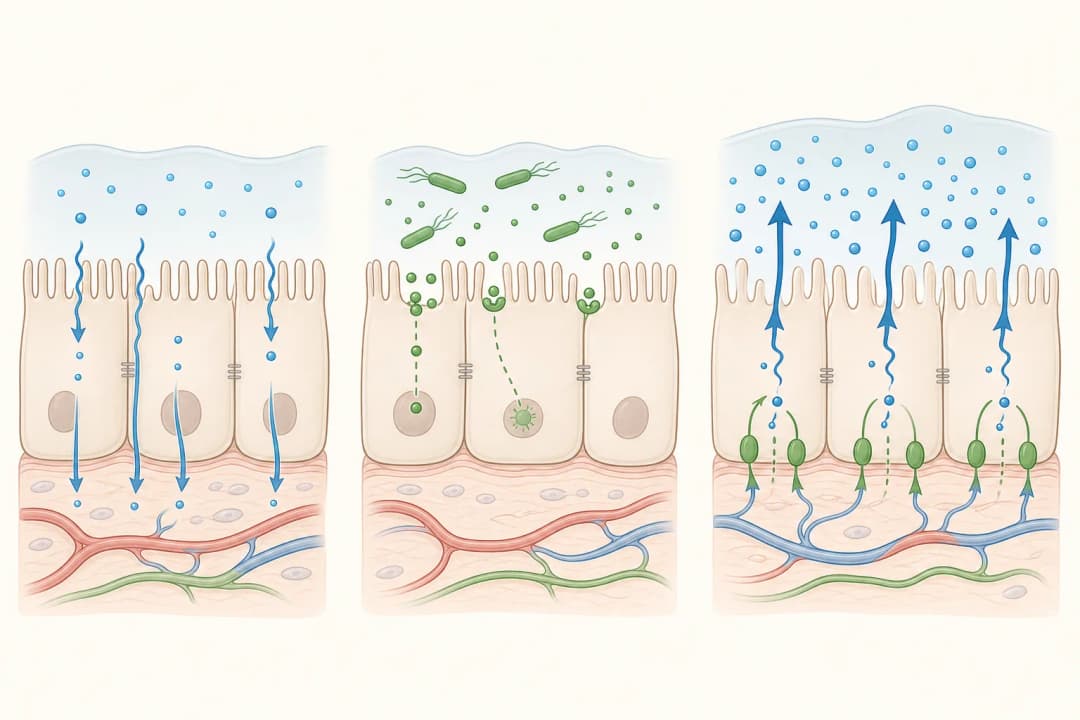
Cholera is a water-borne bacterial disease that spreads when contaminated water or food is swallowed.
This answers one question. It is not a diagnosis and does not replace an assessment by a licensed doctor.
At a glance
- Disease type
- Water-borne bacterial infection
- Organism
- Vibrio cholerae
- Priority
- Prevent and treat dehydration
Understanding the water-borne route
Water becomes unsafe when stool from an infected person reaches a drinking supply and treatment or sanitation does not remove the bacteria. Food can also become contaminated during washing, cooking, serving, or handling. Once swallowed, Vibrio cholerae can release a toxin in the small intestine, causing the bowel to move large amounts of water and salts into the stool. The resulting diarrhoea may be extremely watery and can cause dehydration faster than many people expect.
Protect water and replace fluids
Drink water that is sealed, boiled, or treated according to local public-health advice. Use the same standard for ice, tooth brushing, medicines, and food preparation. Keep raw and cooked foods separate, wash hands with soap, and clean toilets and high-touch surfaces safely. At the first sign of watery diarrhoea, use [Oral Rehydration Therapy](/treatments/acute-and-urgent-care/oral-rehydration-therapy/) as directed and continue offering small, frequent sips.
Signs that need prompt assessment
Seek urgent care if diarrhoea is frequent, vomiting continues, drinking is difficult, or there is fainting, confusion, severe weakness, very little urine, or unusual drowsiness. Do not wait for thirst alone: early fluid loss may be substantial before it feels obvious. A health professional can assess dehydration and provide [IV Fluid Therapy](/treatments/acute-and-urgent-care/iv-fluid-therapy/) when oral fluids are not enough. General information about [Diarrhoea](/symptoms/diarrhoea/) may also help you describe symptoms.
Useful questions for a clinician
Ask how to make water safe in your setting, whether a stool sample is needed, how to monitor urine and alertness, how long to avoid preparing food for others, and whether household contacts need specific instructions.
Find care
General Clinics & Polyclinics in Abu Dhabi
That answer is general. If you want it applied to your own case, these are licensed general clinics & polyclinics listed in Abu Dhabi.
27 Ar Ruwwad St - Shakhbout City - MSH4 - Abu Dhabi - United Arab Emirates
Accepts: Daman, Thiqa, Cigna, MetLife +20 more
Al Ruwais, Al Dhafrah
Accepts: Daman, Thiqa, AXA, Cigna +16 more
Al Bahyah - Al Bahyah Old - Abu Dhabi - United Arab Emirates
Accepts: Daman, Thiqa, Cigna, Allianz Care +18 more
Abu Dhabi
Accepts: Daman, Thiqa, AXA, Cigna +27 more
Ordered by verification status and how complete each clinic's public record is, then alphabetically. This is a directory listing, not a ranking — Zavis does not rate or recommend providers.
A factual listing drawn from the DHA, DOH and MOHAP licence registers. It is not a referral, an endorsement, or advice that any of these providers is right for you.
Questions people ask
Is cholera only caught by drinking water?
No. Contaminated food, drinks, ice, or hands can also carry the bacteria into the mouth.
Can boiling make water safer?
Boiling can help make water safer when done correctly, but local health advice should guide treatment and storage.
Related
Related reading
Keep reading
Medical disclaimer. This page is general health information, not medical advice, and it cannot diagnose you. Always consult a licensed healthcare provider about your own symptoms and treatment. In an emergency in the UAE, call 998 for an ambulance.